
‘Winner Takes All’ Fuels Political Tension – Alpha Kanu Criticises First-Past-The-Post System
 Sahid Bangura
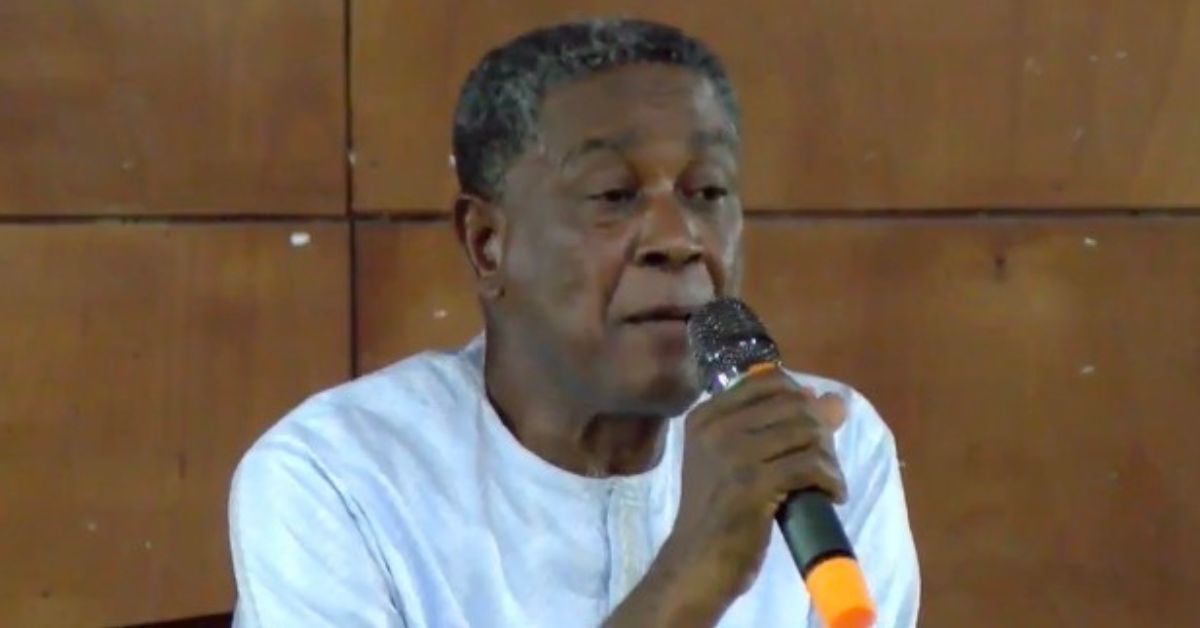
 Presidential Spokesman Dr Alpha Kanu has criticised Sierra Leone’s First-Past-the-Post (FPTP) electoral system, arguing that it has contributed to a “winner-takes-all” political environment and created problems for the country’s democracy.
Kanu made the remarks at the government weekly press briefing in Freetown on Tuesday, August 11, 2026, while defending the constitutional reforms recently passed by Parliament, particularly the move towards Proportional Representation (PR), which he said could address weaknesses associated with the previous electoral system.
According to Kanu, FPTP has created a situation in which political contests become excessively competitive because victory gives the winning candidate the representation, while supporters of unsuccessful candidates can be left without direct representation.

“Under First-Past-the-Post, politics can become extremely competitive because the winner takes everything,” Kanu said.
He compared the system to gambling, arguing that under a winner-takes-all arrangement, “if you win, you take everything; if you lose, you get nothing.”
Kanu’s characterisation of Sierra Leone’s electoral system is likely to attract criticism and renewed public debate, particularly among political parties and citizens with differing views on whether FPTP is responsible for the country’s political tensions and electoral competition.
He argued that Proportional Representation could fundamentally change that dynamic by allocating parliamentary representation according to the level of electoral support received.
Under PR, Kanu said, political parties that do not win outright could still secure representation if they obtain a meaningful share of the vote, giving more voters an opportunity to see their political preferences reflected in Parliament.
He further argued that the system could make it more difficult for a single political party or individual to completely dominate the political process.
Kanu also linked the electoral system to political violence, claiming that PR could reduce incentives for violence because political parties and candidates would no longer be competing solely for an “all-or-nothing” outcome.
The Presidential Spokesman maintained that PR could encourage political parties to build broader coalitions and cooperate rather than treating elections as a contest in which one side gains everything and the other is excluded.
He said Parliament should reflect the diversity of Sierra Leone’s population instead of simply rewarding the party that wins the largest number of individual constituencies.
Kanu also defended President Julius Maada Bio’s constitutional reforms, describing them as a response to longstanding “lacunae” or gaps in the Constitution.
Going further, he compared the reforms to the historic Magna Carta, arguing that President Bio had given Sierra Leone a constitutional framework capable of strengthening democratic governance and protecting citizens.
“The President has therefore given Sierra Leone what I would describe as a ‘Magna Carta for Sierra Leone,’” Kanu said.
His remarks place FPTP at the centre of the growing debate over Sierra Leone’s electoral future, with his description of the system as a contributor to “winner-takes-all” politics likely to face scrutiny from political actors, constitutional experts and members of the public who may dispute whether changing the electoral formula alone can resolve the country’s deeper political challenges.
Kanu nevertheless maintained that the reforms and the adoption of PR could strengthen democracy, broaden political representation, encourage cooperation among parties and reduce political tensions.
The debate over the reforms is therefore expected to continue, particularly over whether Proportional Representation will deliver the broader representation and political stability its proponents, including Kanu, have promised.