

SLAJ Calls for Tougher Measures to Tackle Sexual Harassment in Media
 Aaron Parker
 The Sierra Leone Association of Journalists (SLAJ) has called for stronger and more effective measures to tackle sexual harassment and other forms of abuse within the country’s media sector.
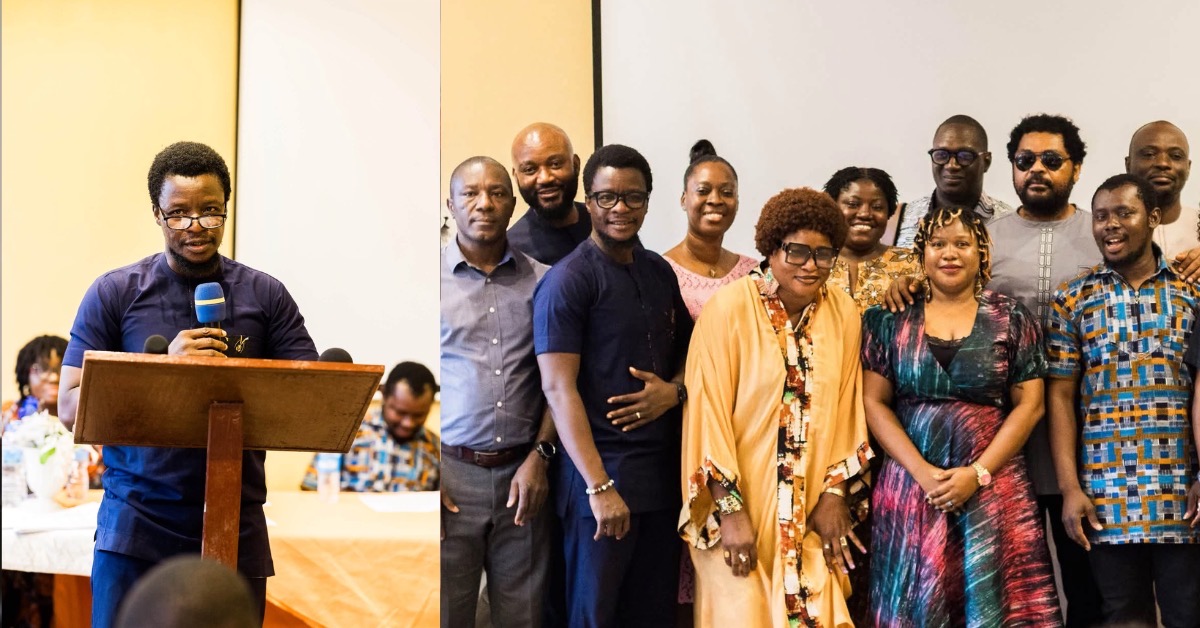
SLAJ President, Alhaji Manika Kamara, made the call on Friday, August 21, 2026, during a Policy Dialogue Forum on Gender Justice in the Media organised by Women in the Media Sierra Leone (WIMSAL), in collaboration with Comic Relief, at the Civil Service Training College in Freetown.
Kamara said findings from the 2025 BBC Media Action report on sexual harassment in the media were deeply concerning, particularly the disproportionate experiences of harassment among women media professionals, the under-reporting of cases and weak accountability mechanisms.

He said the findings should compel stakeholders to take decisive action, stressing that safeguarding journalists can no longer be treated as an optional or secondary issue within media institutions.

According to the SLAJ President, there cannot be a truly free and credible media environment where journalists, particularly women, feel unsafe, intimidated or harassed, or are unable to report abuse for fear of retaliation.
He called on media institutions to establish clear gender-responsive safeguarding policies, accessible reporting channels, confidential complaint mechanisms and fair and transparent procedures for addressing allegations of sexual harassment and other forms of abuse.
Kamara stressed that adopting policies alone would not be enough, urging media leaders to ensure that safeguarding mechanisms are effectively implemented and enforced.
SLAJ also welcomed the proposed Safeguarding Charter and encouraged media institutions and other stakeholders to endorse and uphold it as part of broader efforts to promote gender justice and protect media professionals.
Kamara emphasised that addressing sexual harassment should not be viewed solely as a women’s issue, describing it as a professional, institutional and human rights concern requiring collective action.
He identified media owners, editors, managers, journalists, journalism training institutions, professional associations, regulators, civil society organisations and development partners as key stakeholders in creating a safer media environment.
“SLAJ therefore urge all media institutions to move from commitment to concrete action,” Kamara said, calling for stronger safeguarding systems, greater accountability, increased reporting, protection for survivors and the integration of gender justice into the future of Sierra Leone’s media.
He reaffirmed SLAJ’s commitment to working with WIMSAL, media institutions, civil society, development partners and other stakeholders to ensure that every journalist can perform their professional duties with dignity, security and without fear of harassment or discrimination.