

MoPED, UNICEF Strengthen Partnership on Youth Employment, Investment and Development
 Sia Lucy Kannah
 The Ministry of Planning and Economic Development (MoPED) and UNICEF Sierra Leone have discussed new areas of collaboration aimed at advancing youth employment, local production, early childhood development, evidence-based planning and investment mobilisation.
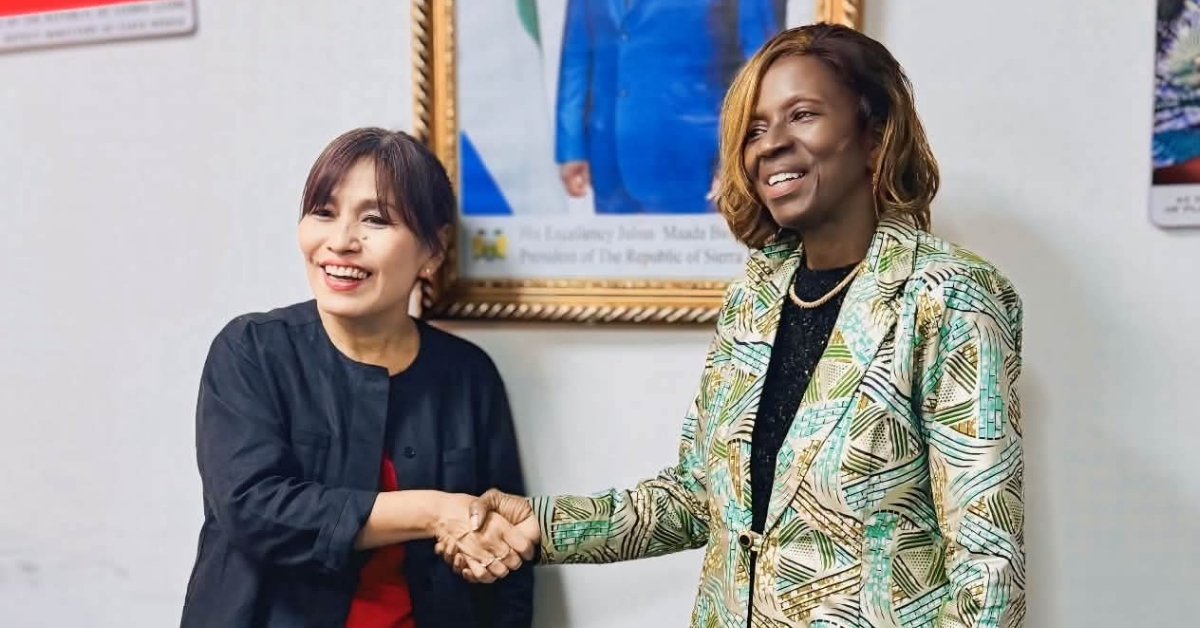
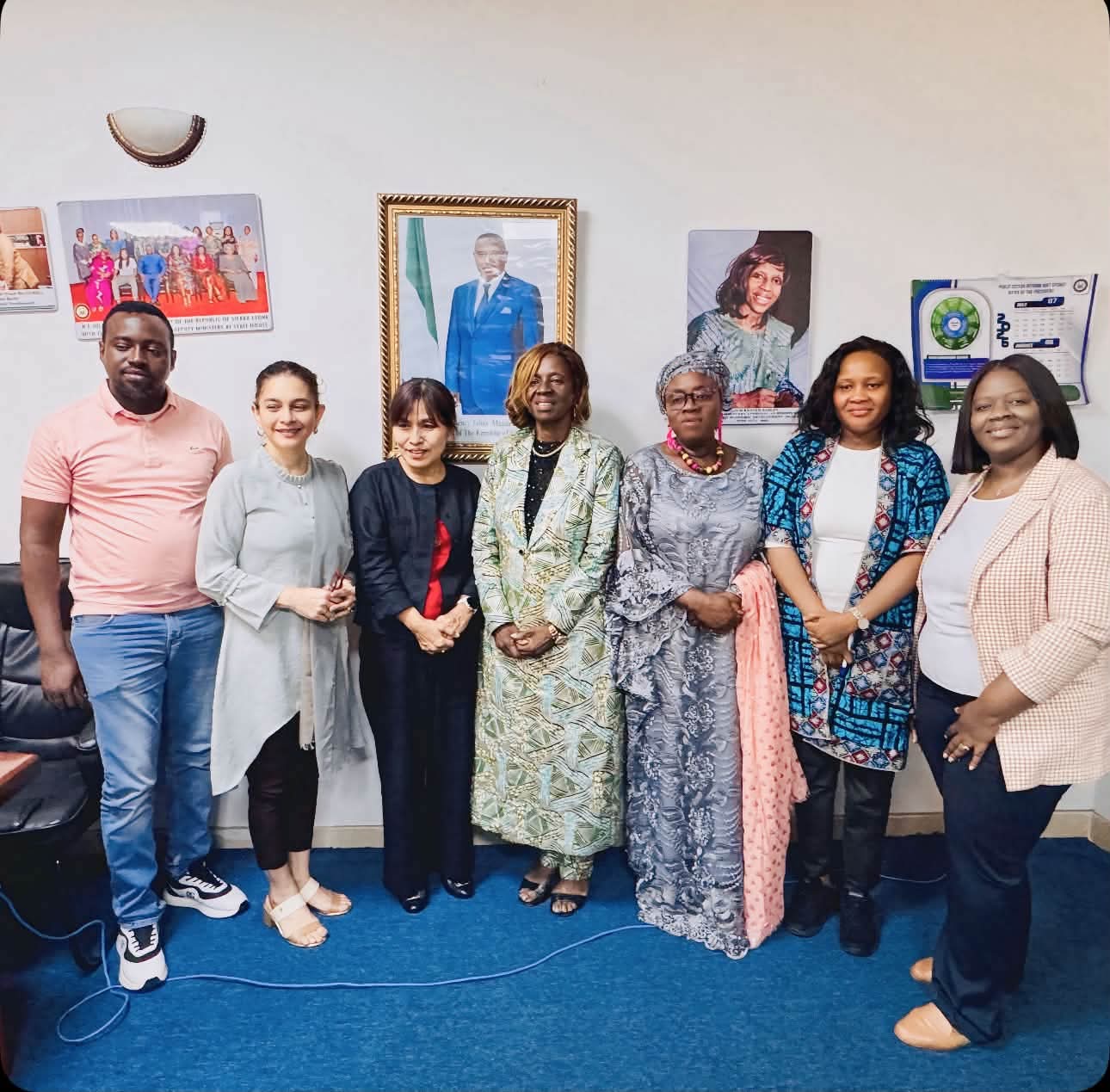
The discussion took place on Friday, 28 August 2026, when the newly appointed UNICEF Representative in Sierra Leone, Mrs Mariko Kagoshima, paid a courtesy call on the Minister of Planning and Economic Development, Hon. Kenyeh Barlay.
Welcoming the UNICEF delegation, Minister Barlay expressed appreciation for the engagement and invited the team to outline areas where the two institutions could collaborate in instigating development agendas.

Mrs Kagoshima, Chief of Communication, Advocacy and Partnerships Suzanne Wooster-Prematilaka, and Chief Planning and Monitoring Officer Siphiwi Mbambara emphasised UNICEF’s interest in working with the Ministry to co-create practical solutions to Sierra Leone’s development challenges, particularly those that can create opportunities for young people.
She cited opportunities for strengthening local production of nutrition products, including Ready-to-Use Therapeutic Food (RUTF) and high-energy biscuits, using locally available materials and supporting local producers and processors. She noted that such an approach could create employment while reducing reliance on imported products and potentially opening opportunities for exports within the ECOWAS region.
Mrs Kagoshima also called for stronger collaboration among government, the private sector, NGOs and other development actors to develop sustainable solutions that respond to local needs.
Responding to the proposals, Minister Barlay described the ideas presented as “refreshing” and “vibrant,” noting their potential to contribute to Sierra Leone’s development priorities.
She highlighted MoPED’s work in developing bankable projects to attract investment and said the Ministry was interested in working with UNICEF and other partners to identify opportunities that could be developed and positioned for funding.
Minister Barlay also highlighted the proposed Regional Cabotage initiative, which seeks to facilitate the movement of passengers, containers and vehicles along the West African coast, linking key coastal destinations and strengthening regional trade.
On community-level development planning, the Minister outlined MoPED’s initiative to extend planning from the district level to chiefdoms. She noted that credible chiefdom development plans could help communities identify their priorities, strengthen resource mobilisation and ensure development resources are better aligned with local needs.
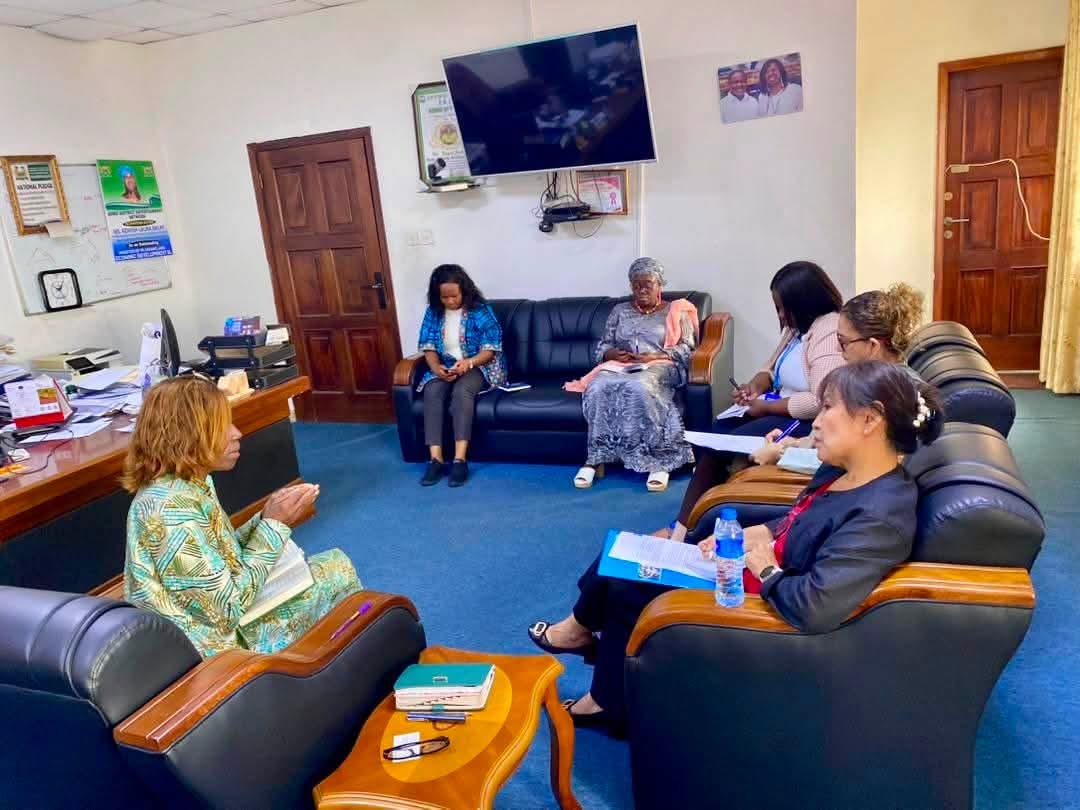
The meeting also discussed the importance of data and evidence in national development planning, with particular attention to the National Development Tracker. The Tracker provides a platform for monitoring development interventions, while continued collaboration on data and research could strengthen evidence-based planning and resource mobilisation.
Mrs Kagoshima expressed UNICEF’s interest in continuing to support data and evidence initiatives, including work related to public finance analysis for children and the use of evidence to inform national development planning.
Finally, discussions further highlighted opportunities to connect environmental initiatives with youth employment, including recycling, local manufacturing and waste-management solutions.