


 Post a comment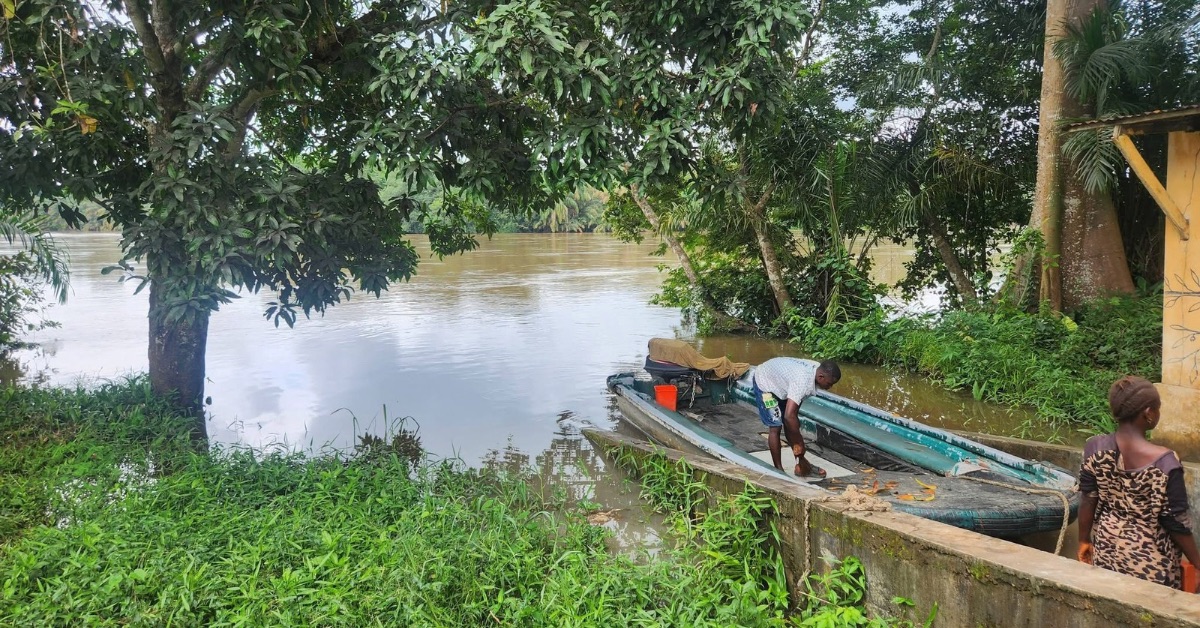
Sierra Leone’s National Protected Area Authority (NPAA) has stepped up efforts to protect Tiwai Island Wildlife Sanctuary amid concerns over illegal hunting, forest degradation and encroachment.
The NPAA Executive Director, Sheikh Ahmed Tunis led a team to the sanctuary on 29 August 2026 for a field assessment and meeting with communities living around the protected area.
Tiwai Island, on the Moa River in south-eastern Sierra Leone, covers about 12 square kilometres and is one of the country’s most important wildlife habitats.

The sanctuary is home to 11 species of primates, including chimpanzees, red colobus and Diana monkeys, as well as the rare pygmy hippopotamus. More than 135 bird species have also been recorded on the island.
At the community meeting, the NPAA Executive Director called on residents to help protect the sanctuary by reporting illegal activities and supporting conservation efforts.
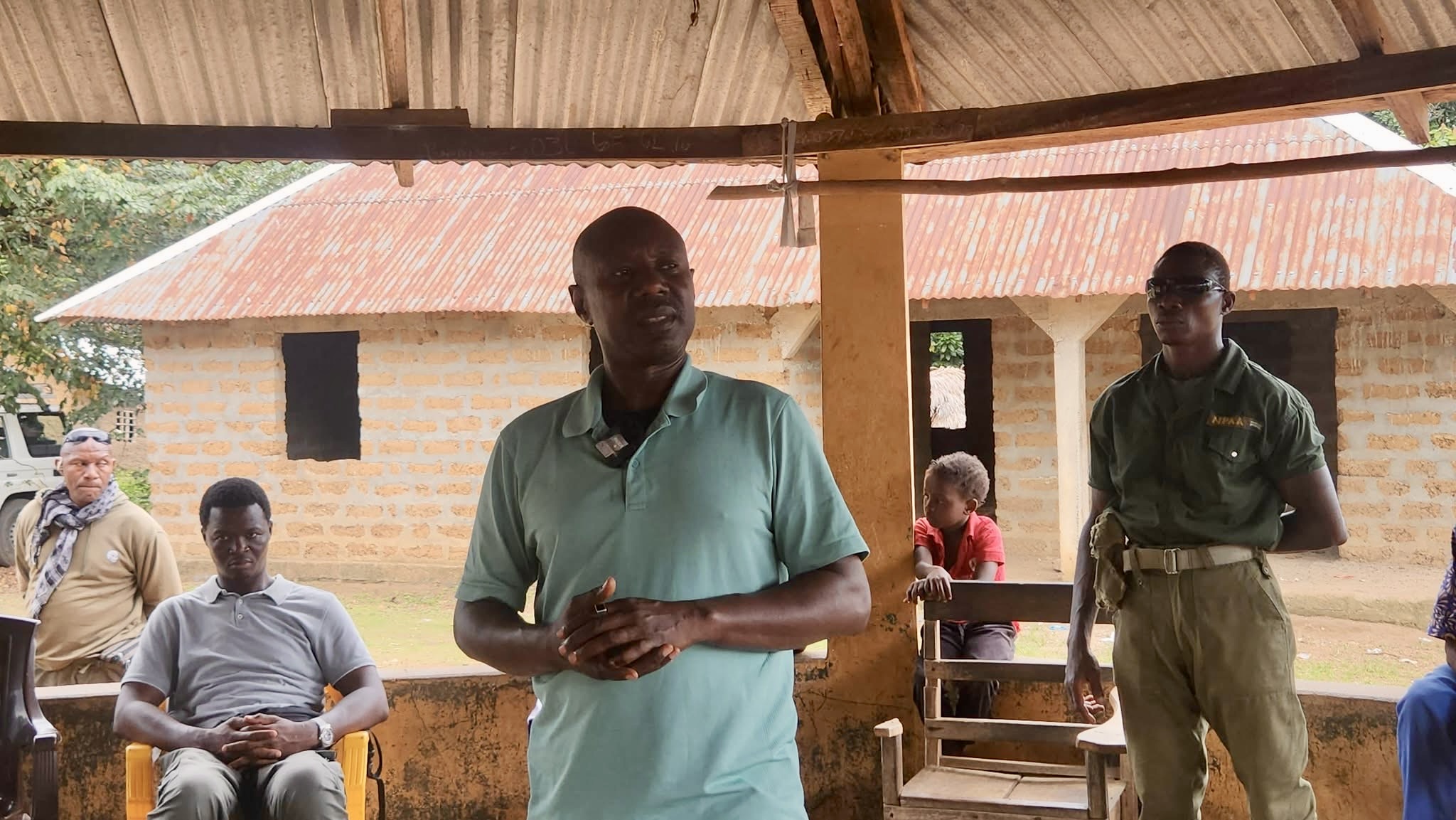
He said local communities were key partners in protecting Sierra Leone’s natural heritage and urged greater cooperation between residents, traditional leaders, local authorities and conservation agencies.
The assessment identified illegal hunting and poaching as major threats to wildlife on and around the island. Unsustainable harvesting of forest resources, agricultural expansion and encroachment were also highlighted as concerns.
NPAA said bush fires and other human activities could further damage the sanctuary’s forests and threaten wildlife habitats if not properly managed.
The Authority stressed that conservation efforts must also consider the livelihoods of communities around protected areas, with sustainable economic opportunities seen as important to reducing pressure on forests and wildlife.
NPAA said it would continue working with district authorities, communities and conservation partners to improve patrols, monitoring and public awareness around Tiwai Island.
The visit comes as Sierra Leone seeks to strengthen biodiversity protection and promote ecotourism, with Tiwai Island regarded as a key refuge for some of the country’s most threatened wildlife.


