


 Post a comment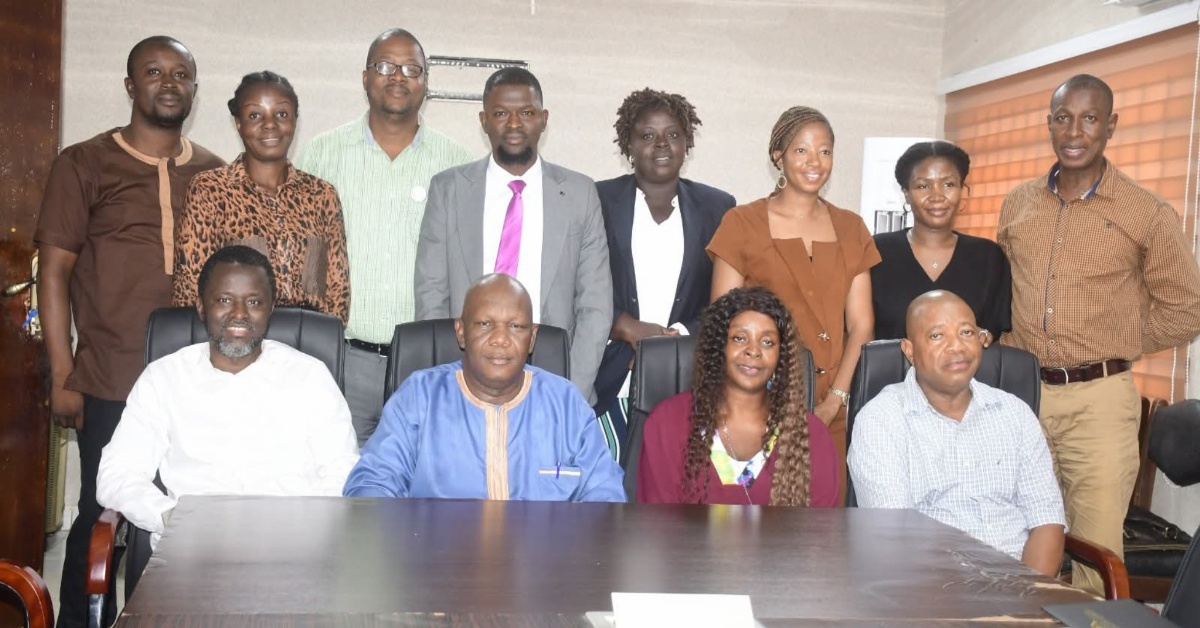
Women on Mining and Extractives Sierra Leone (WoME-SL) has taken concerns over Section 44 of the Cyber Security and Crime Act 2021 to the Human Rights Commission of Sierra Leone (HRCSL), calling for broader discussion on its implications for freedom of expression.
WoME-SL presented its shadow report on Section 44, which addresses cyberstalking and cyberbullying, during an engagement with the Commission at its headquarters in Tower Hill, Freetown.
The organisation said the engagement was aimed at getting HRCSL’s perspective on the provision, particularly concerns over its potential impact on free speech, while exploring possible collaboration towards a review of the section.

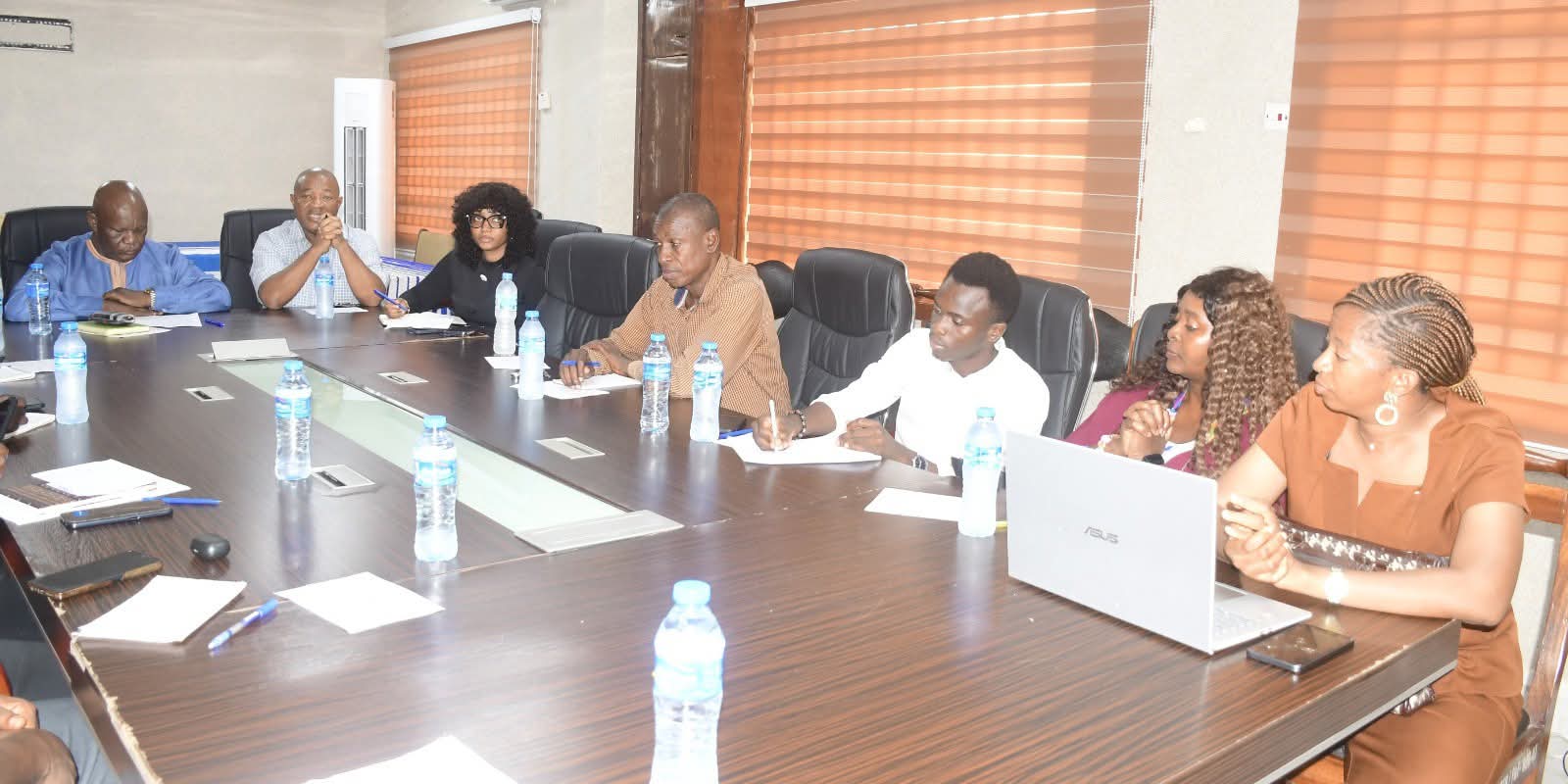
HRCSL Commissioner Hassan Samba Yarjah commended WoME-SL for conducting the research and sharing its findings with the Commission. He said the report provides an opportunity to examine how cybersecurity measures can be pursued while respecting and protecting fundamental human rights.
Among the key findings highlighted by WoME-SL were limited awareness of the legal provisions, differences in perspectives between government and civil society, concerns over the chilling effect on freedom of expression, reluctance to participate in online discussions and fear of reprisals.
WoME-SL Executive Director Esther Finda Kandeh said the research focused on Section 44 and its impact on the digital space, particularly the ability of citizens to freely express themselves.
She said WoME-SL chose to present the findings to HRCSL because of the Commission’s critical role in protecting and promoting human rights in Sierra Leone. Kandeh added that civic space is an important component of human rights and said the organisation wants the findings to contribute to a broader national conversation on Section 44.
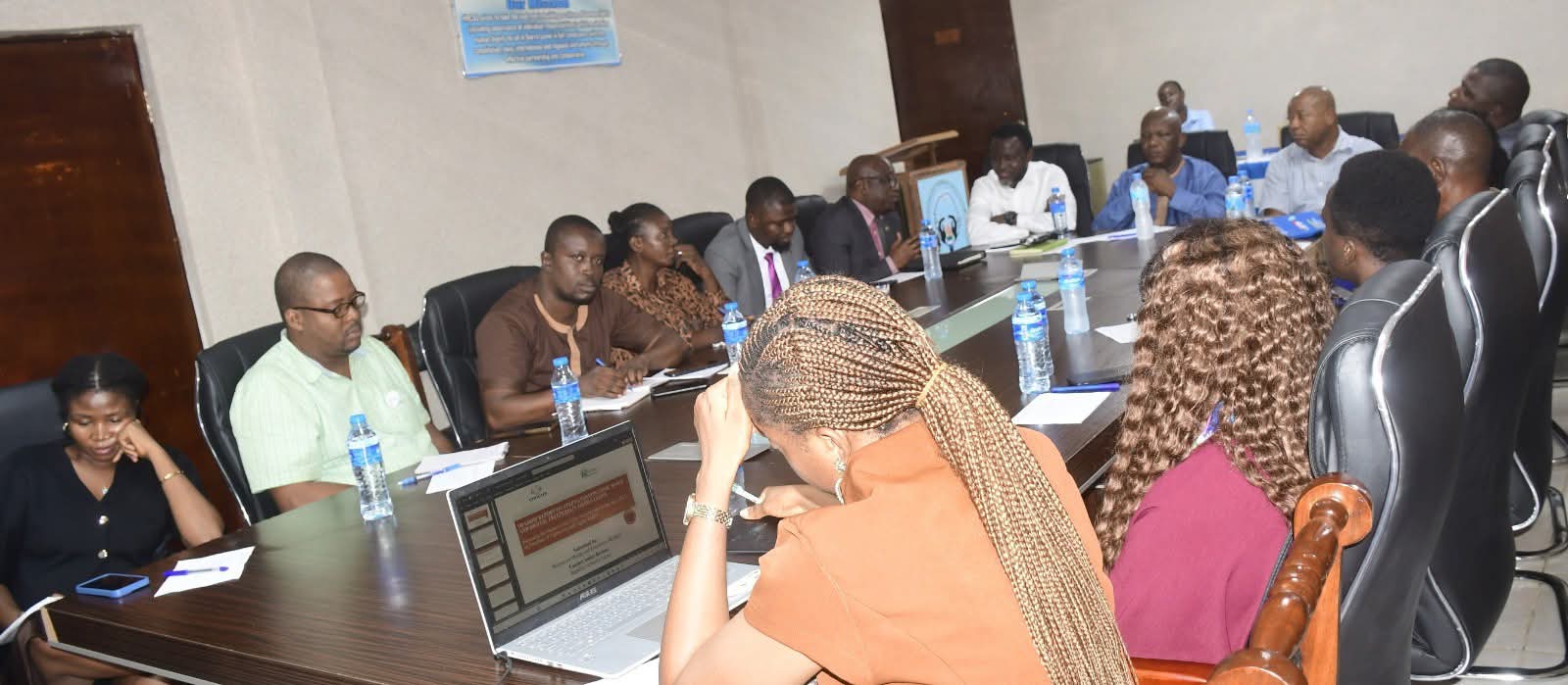
The engagement ended with both parties agreeing on the need for increased capacity building for the Sierra Leone Police, greater public awareness of the Cyber Security and Crime Act 2021, and advocacy for a possible review of Section 44.


