

“Jos Leijdekkers is Funneling Billions to Sierra Leone’s Economy” — Dutch Media
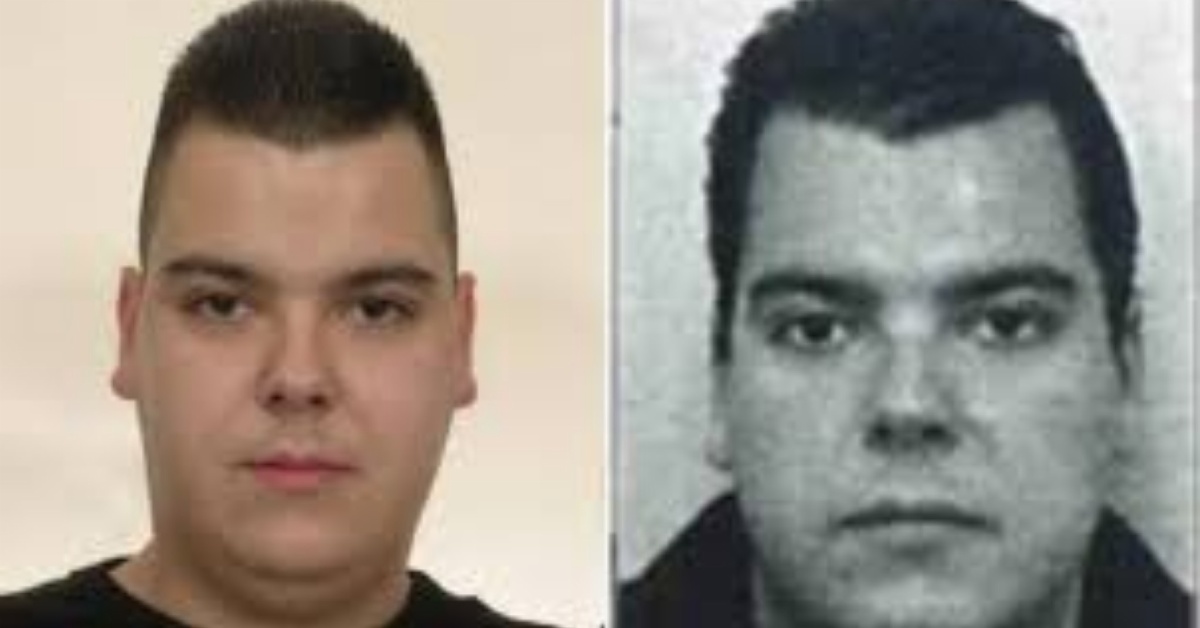
Convicted Dutch cocaine trafficker Jos Leijdekkers is allegedly using Sierra Leone as a base to move billions of dollars in drug money through the country’s economy, according to Dutch media.
Leijdekkers, also known as “Bolle Jos”, is one of Europe’s most wanted criminals and has been convicted of drug trafficking offences in the Netherlands and Belgium.
Dutch newspaper NL Times, citing reporting by Dutch broadcaster RTL, said Leijdekkers had turned Sierra Leone into a hub for his international cocaine operations, with billions of dollars in drug money allegedly flowing through the country’s economy each year.

The report also alleged that he obtained a Sierra Leonean diplomatic passport in return for investments in the country’s economy and developed close relationships with political and business elites.
Sierra Leone’s government has repeatedly denied having any association with Leijdekkers.
The Ministry of Information and Civic Education has said authorities were not aware of his presence in the country and that a search had been launched to locate him.
Sierra Leone’s Immigration Department has also said that a man seen in footage alongside President Julius Maada Bio in January 2025 was not Leijdekkers, but a Turkish businessman identified as Omar Sheriff.
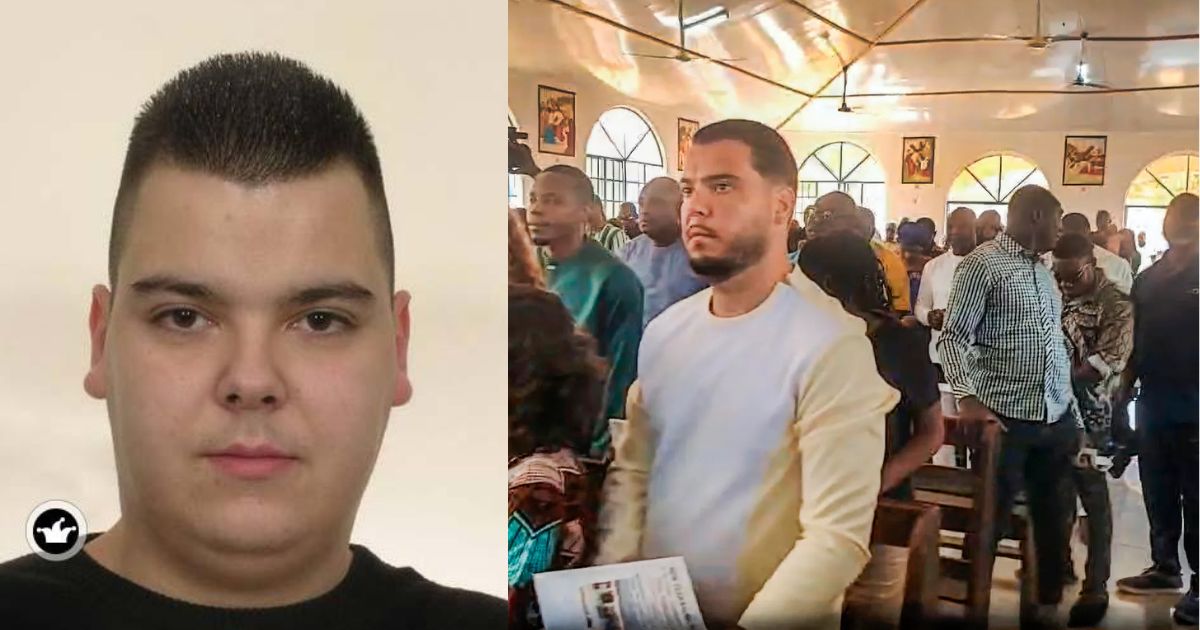
However, several international investigations have disputed that explanation.
Investigative journalist Alexander Clapp of The Economist reported in September that Leijdekkers had been operating in Sierra Leone under the name Omar Sheriff and had become highly influential among sections of the country’s political and business elite.
There have also been reports linking Leijdekkers to Agnes Bio, the daughter of President Bio.
NL Times has reported allegations of a relationship between the two, while other international media have published photographs and videos appearing to show them together.
The First Lady, Fatima Maada Bio, has previously denied being aware of Leijdekkers or his alleged links to the family.
Leijdekkers’ alleged presence in Sierra Leone has also raised concerns about the country’s reputation, the influence of organised crime and the safety of journalists investigating the case.
An investigation by The Economist described Sierra Leone as being at risk of “narco-capture”, while other investigations have reported allegations of intimidation of journalists who have sought to report on Leijdekkers and his activities.
The controversy has now developed into a diplomatic dispute between Sierra Leone and European governments.
In October, Dutch Justice Minister David van Weel said the European Commission had suspended €18m in financial support to Sierra Leone because of what he described as the country’s failure to cooperate in efforts to extradite Leijdekkers.
However, European Commissioner for Internal Affairs and Migration Magnus Brunner said the suspension was officially due to technical reasons. He nevertheless acknowledged growing concern in the EU about organised crime and drug trafficking in Sierra Leone.
Sierra Leone’s government has also rejected the suggestion that the aid suspension was linked to Leijdekkers, saying the European Commission had cited administrative issues concerning a request to amend the financing agreement.
The EU had allocated hundreds of millions of euros in support to Sierra Leone for the 2021-2027 period.
The dispute over Leijdekkers therefore risks having consequences beyond the alleged cocaine trade.
For Sierra Leone, the allegations threaten to damage its international reputation, raise concerns about corruption and organised crime, and potentially affect relations with international partners and access to development funding. The controversy also risks diverting attention from the country’s development priorities at a time when international assistance remains important to the economy.