

Labour Ministry Engages Indian Business Community on Labour Law Compliance
 Sahid Bangura
 The Ministry of Employment, Labour and Social Security has reaffirmed its commitment for to promoting fair labour relations and ensuring compliance with labour laws following discussions with the Indian business community in Sierra Leone.
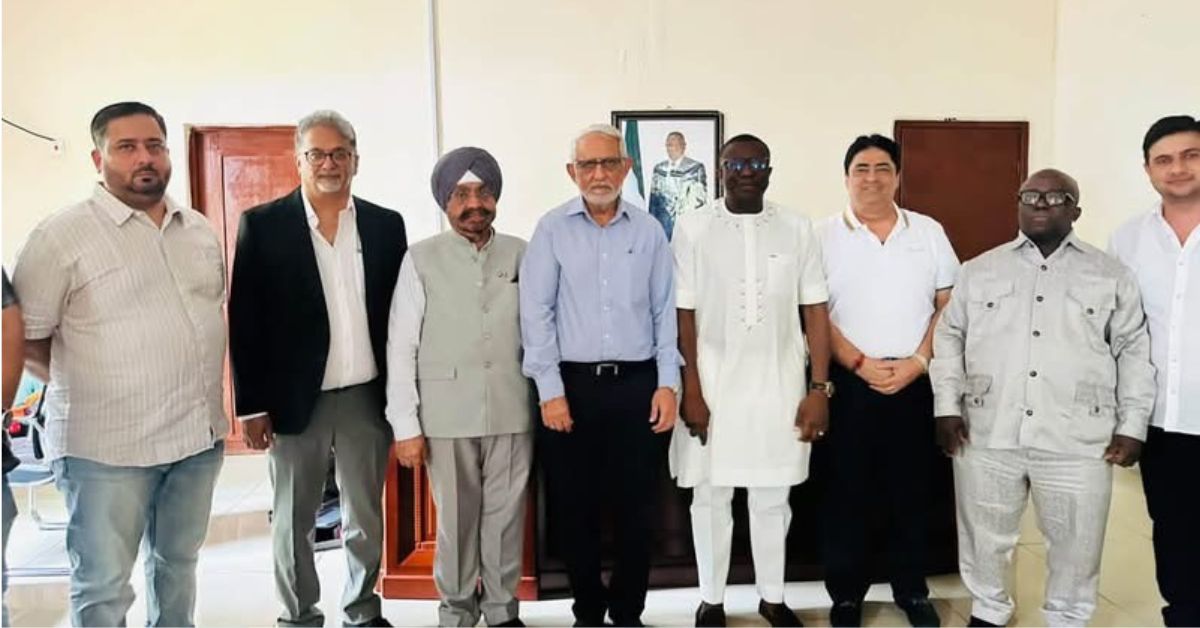
The discussions took place during a courtesy visit by a delegation led by H.L. Balani, President of the Indian Business Council, to the Minister of Employment, Labour and Social Security, Umaru Napoleon Koroma, at his office in Freetown.
The meeting focused on strengthening cooperation between the Ministry and Indian-owned businesses, clarifying legal requirements concerning workers’ end-of-service benefits and addressing labour-related concerns affecting business operations.

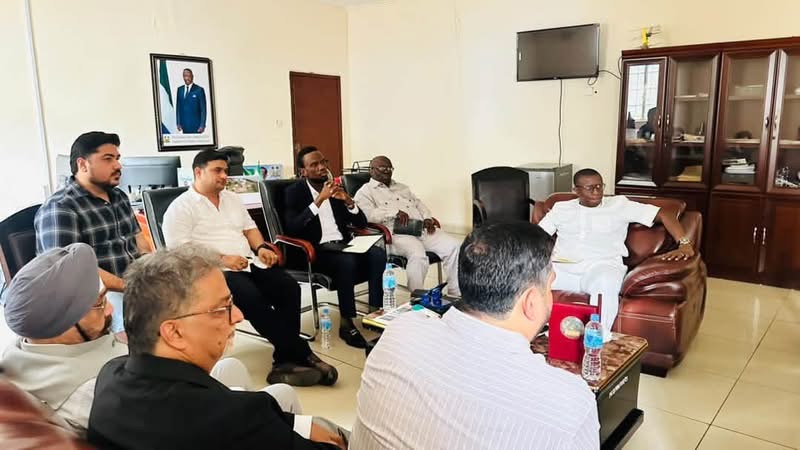



Opening the meeting, Commissioner of Labour Sinneh Bockarie welcomed the delegation and invited its members to outline the challenges they face, particularly in relation to labour administration and compliance with existing legislation.
Speaking on behalf of the delegation, Balani expressed the Indian business community’s willingness to strengthen its engagement with the Ministry and work with the government to address labour-related issues.
He emphasised the need for clear guidance on end-of-service benefits and applicable legal obligations, noting that greater understanding of the requirements would help businesses avoid non-compliance.

Balani also assured the Minister that the community would continue engaging the Commissioner of Labour and other relevant officials to seek clarification and resolve outstanding concerns.
In response, Minister Koroma stressed the importance of maintaining a balanced relationship between employers and employees, describing both groups as essential partners in economic growth and stability.
He said the Ministry would continue to act as a neutral mediator in workplace disputes while protecting the legitimate interests of employers and workers and ensuring compliance with the law.
Koroma further reaffirmed his commitment to consulting employers and other stakeholders in the formulation and implementation of labour policies. He encouraged the Indian business community to provide feedback on how existing labour laws operate in practice, with the aim of improving compliance and ensuring that policies address the concerns of both employers and employees.
The engagement reflects the importance of continued dialogue between the Ministry and the Indian business community in promoting workers’ rights, strengthening labour relations and supporting a stable business environment in Sierra Leone.