
World Bank-Backed Programme Harvests Habanero Pepper in Pujehun
 Alhaji Mashalat Sheriff
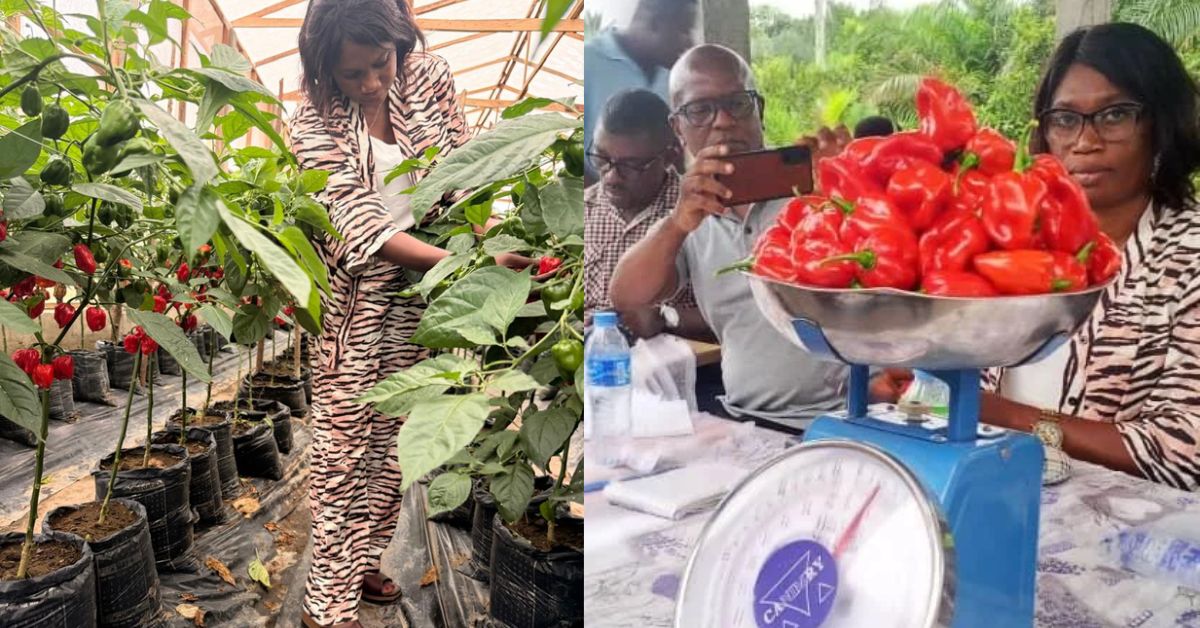
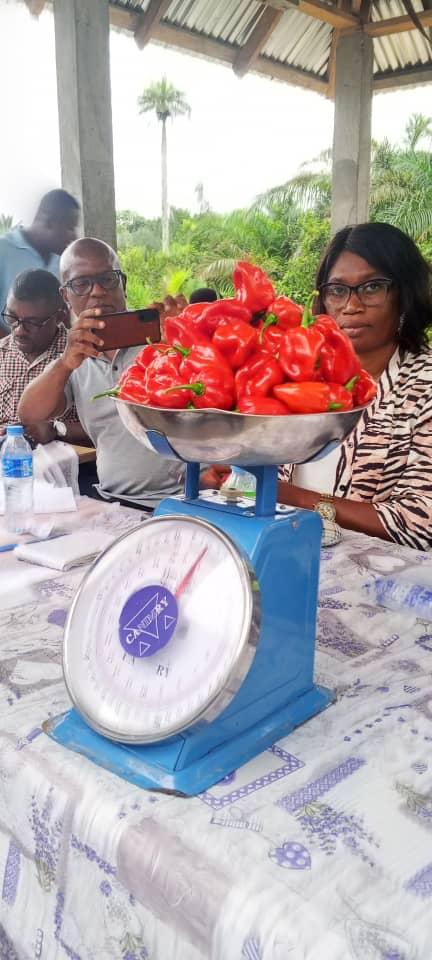
The Food System Resilience Programme (FSRP), funded by the World Bank and the Government of Sierra Leone, has conducted a symbolic harvesting of habanero pepper at Goama Community in Sowa Chiefdom, Pujehun District, marking a significant milestone in efforts to promote climate-smart agriculture, strengthen food security and improve the livelihoods of rural farming households.
The symbolic harvesting ceremony, held on Wednesday, 7 October 2026, was led by the District Agriculture Officer (DAO) in Pujehun, Lucy Koker, who represented the Honourable Minister of Agriculture and Food Security, Dr Henry Musa Kpaka.
The event brought together Hon. Sheika Sama, Member of Parliament; the Paramount Chief of Sowa Chiefdom; councillors members of the FSRP team chiefdom stakeholders, farmers and beneficiaries and representatives of partner institutions, all of whom witnessed the progress made under the agricultural intervention.

The initiative forms part of the government’s broader efforts to transform the agricultural sector through the Feed Salone agenda, which seeks to increase domestic food production, strengthen agricultural value chains, reduce reliance on food imports and improve the livelihoods of farmers across the country.


Under the FSRP intervention, three greenhouses have been established on a five-hectare parcel of land at Goama Community to support improved vegetable production, with particular emphasis on habanero pepper cultivation.
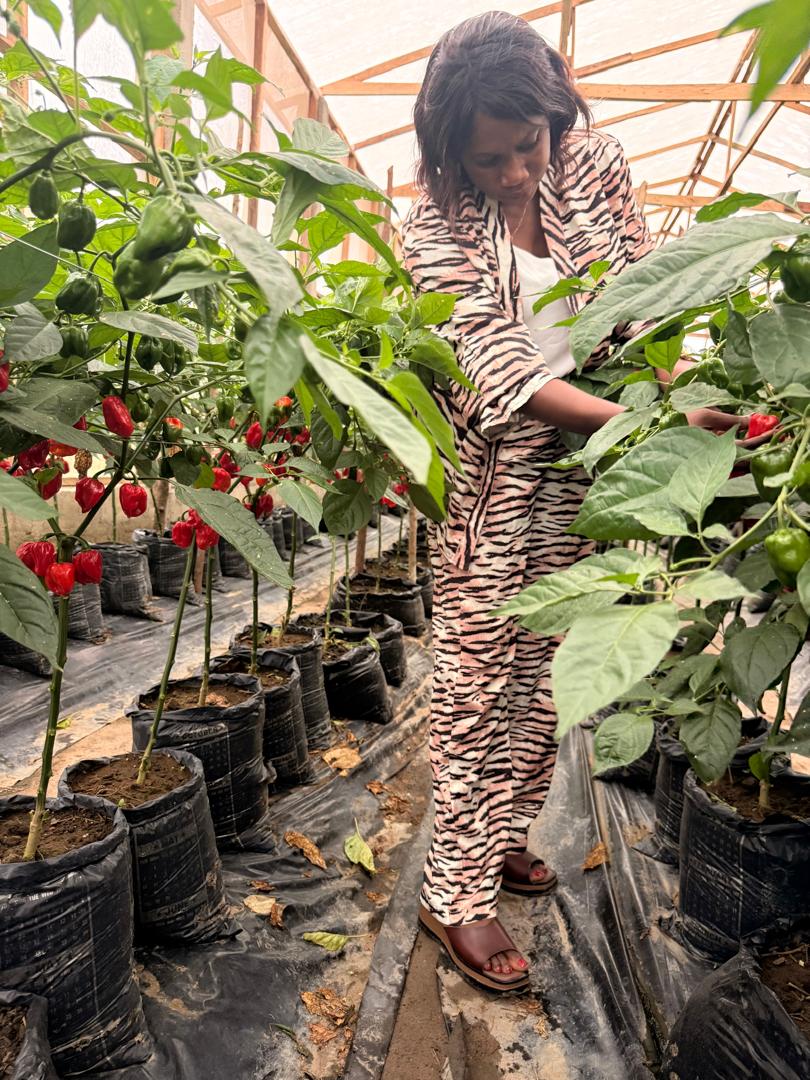
The greenhouse facilities are intended to promote modern and climate-smart agricultural practices, enabling farmers to improve production while responding to the challenges associated with climate variability and changing weather conditions.
The initiative is also expected to strengthen farmers’ capacity to engage in more organised, market-oriented agricultural production, creating opportunities for increased household income and improved food and nutrition security.
The symbolic harvesting exercise provided an opportunity for stakeholders to witness the progress of the intervention and demonstrate the potential of improved agricultural technologies to support rural farming communities.
The project covers four communities in Sowa Chiefdom: Meseila, Barbara, Goama and Negbema. Approximately 150 households have benefited from capacity-building and support under the intervention.
Women account for 70 per cent of the beneficiaries, while young people constitute 30 per cent, highlighting the programme’s emphasis on women’s empowerment and youth participation in agriculture.
The initiative is expected to create greater opportunities for women and young people to participate in vegetable production, develop agricultural skills and strengthen their economic independence through farming and related business activities.
By targeting these groups, the intervention seeks to demonstrate that agriculture can serve as a viable source of employment, income generation and sustainable livelihoods for rural households.
The project also supports efforts to encourage farmers to adopt improved production techniques that can contribute to increased productivity and more reliable supplies of vegetables for local markets.
To promote the long-term sustainability of the intervention, a Memorandum of Understanding (MOU) has been signed between Wala Foods, the service provider, and the Munafa Sowa Farmers Association.
The agreement is intended to support collaboration between the service provider and the farmers’ association, helping to strengthen the management and sustainability of the agricultural initiative.
In addition to greenhouse-based production, plans are in place to develop part of the five-hectare land for open-field vegetable cultivation using drip irrigation technology.
Under this arrangement, 100 per cent of the designated open-field production area will be dedicated to the beneficiaries, providing additional opportunities for participating farmers to expand vegetable production and benefit from the project’s agricultural facilities.
The incorporation of drip irrigation is expected to support more efficient water management and improve the potential for sustainable vegetable production, particularly where access to water and changing weather conditions present challenges to farmers.
The combined approach of greenhouse cultivation and open-field production is intended to broaden the opportunities available to beneficiaries and strengthen the foundation for continued agricultural activities beyond the initial implementation phase.
Speaking at the event, Hon. Sheika Sama, Member of Parliament, commended the Ministry of Agriculture and Food Security, the FSRP team, the contractor and other development partners for their collective efforts in supporting farmers in Sowa Chiefdom.
He particularly recognised the importance of the intervention in supporting vegetable farmers, with special attention to women, who make up the majority of the beneficiaries.
The MP’s commendation underscored the value of partnerships between government institutions, development partners, service providers and local communities in promoting agricultural development and improving rural livelihoods.
The intervention is expected to provide beneficiaries with opportunities to strengthen their farming activities, improve their production capacity and participate more effectively in agricultural markets.
The beneficiaries Munafa Sowa Farmers Association expressed appreciation to the Ministry of Agriculture and Food Security, the FSRP, the World Bank, the Government of Sierra Leone, Wala Foods and all other stakeholders who contributed to the implementation of the project.
They recognised the support provided through the intervention and the opportunities it offers to farmers across the four beneficiary communities.
The beneficiaries’ appreciation also reflected their optimism about the potential of the greenhouses, improved farming methods and planned drip-irrigation facilities to strengthen vegetable production and create more sustainable livelihood opportunities.