

JFK Criticises Sierra Leone’s Education System After 2026 WASSCE Results
 Osman Tolo Sesay
Lawyer and former Attorney General Joseph Fitzgerald Kamara has criticised Sierra Leone’s education system following the release of the 2026 West African Senior School Certificate Examination (WASSCE) results, questioning whether the government’s Free Quality School Education program is delivering the promised learning outcomes.
In a Facebook post published after the results were announced, Kamara argued that the examination performance exposed significant weaknesses in the country’s education system, particularly in English language proficiency, teacher qualifications and classroom resources.
Kamara, who said education was a longstanding part of his family background because his mother taught for 45 years, described the results as a contradiction of the government’s commitment to providing quality education.

He compared the government’s Free Quality School Education initiative, introduced in 2018, with the latest examination results, arguing that expanding access to schooling had not necessarily translated into improved academic performance.
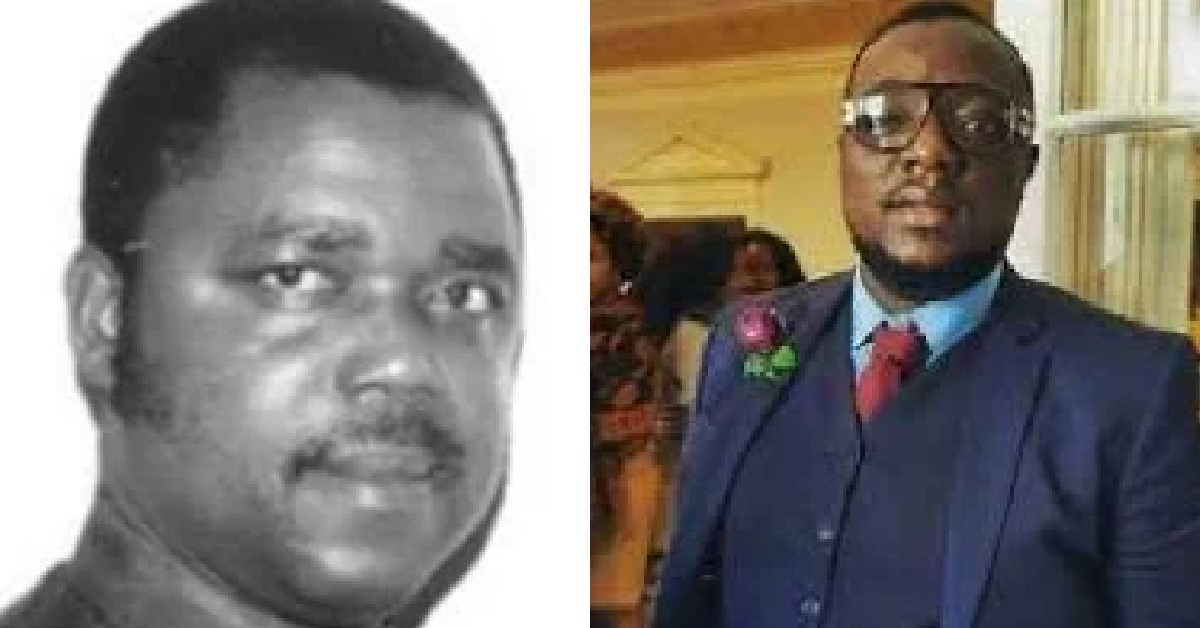
According to figures cited by Kamara, only 9.7% of candidates obtained a credit in English, while 63.33% failed the subject. He also claimed that nearly 42,000 registered candidates did not sit the English examination.
Kamara attributed the poor performance partly to the challenges students and teachers face in English-only classrooms, arguing that the language barrier could contribute to widespread failure.
He also raised concerns about teaching standards and learning conditions, citing figures suggesting that 38% of the teaching workforce lacked formal qualifications. He pointed to overcrowded classrooms and shortages of textbooks as additional obstacles to effective learning.
The lawyer further questioned the credibility of the examination system, referring to 13,237 results reportedly withheld in 2025 and a separate figure of 47,454 for 2026.
He argued that the figures raised concerns not only about educational standards but also about confidence in the fairness of the examination process.
Kamara concluded that the WASSCE results should be viewed as an assessment of the government’s education policy, maintaining that the promise of quality education had yet to produce the expected outcomes.
His criticism comes as the 2026 WASSCE results draw public attention to student performance and the effectiveness of education reforms in Sierra Leone.