

Lecturers’ Strike Leaves Thousands of University Students in Uncertainty
 Osman Tolo Sesay
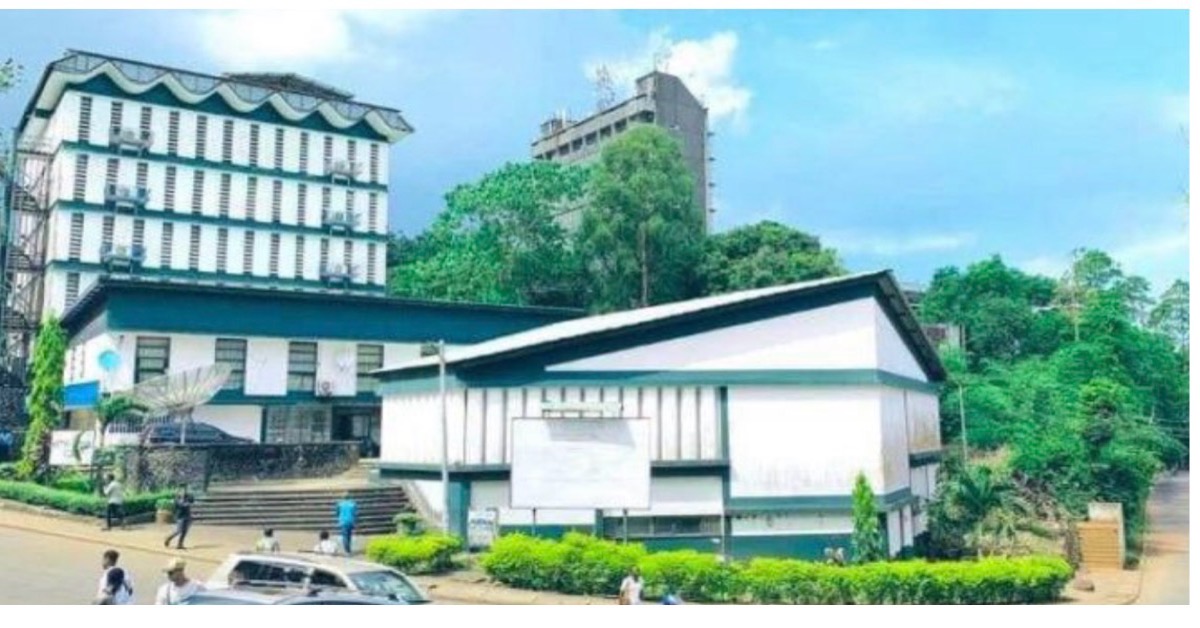
Thousands of students in Sierra Leone’s public universities and tertiary institutions face continued academic disruption as lecturers maintain a nationwide strike over salaries and employment conditions.
The industrial action, led by the Union of Academic Staff Associations (UASA), began on September 16, 2026, following unsuccessful negotiations with the Government over salary adjustments and revised Conditions of Service.
The dispute has exposed persistent disagreements over lecturers’ remuneration, staff welfare and salary harmonization across public tertiary institutions, with students increasingly bearing the consequences.

UASA is demanding a 100 percent salary increase and the implementation of harmonized Conditions of Service for the 2026–2028 period. The union initially sought a 500 percent increase before reducing its demand during negotiations with the Government.
Before launching the strike, the union issued a 21-day strike notice to the Ministry of Technical and Higher Education on August 13. UASA said the decision followed nearly three years of discussions with government institutions, including the Ministries of Technical and Higher Education and Finance, the Tertiary Education Commission, the Wages and Compensation Commission and the Office of the Chief Minister.
The union maintains that those engagements failed to deliver satisfactory commitments on lecturers’ salaries and welfare.
Beyond the proposed salary adjustment, UASA wants the revised employment conditions to address allowances, promotions, medical benefits, annual leave, housing and other staff entitlements. It has also called for the elimination of salary disparities among academic staff across public tertiary institutions.
The Government has defended its previous salary adjustments, citing financial constraints as a major consideration in negotiations.
Minister of Technical and Higher Education Dr. Haja Ramatulai Wurie said the Government approved a 75 percent salary increase in 2021, implemented in three instalments, which the Ministry calculated as approximately 87.5 percent on a compounded basis.
She also disclosed that lecturers received an additional 15 percent increase in April 2025. According to the minister, the Government currently covers approximately 83 percent of university staff salaries and leave allowances, while the institutions contribute the remaining 17 percent.
In an attempt to resolve the impasse, UASA proposed implementing its 100 percent salary demand in three stages. The proposal provides for a 40 percent increase in November 2026, followed by 30 percent in May 2027 and the remaining 30 percent in September 2027.
The proposal was discussed during negotiations with government representatives on October 16. However, UASA insisted that the Government provide a formal written commitment, particularly from the Ministry of Finance, before the union would consider suspending the strike.
Further discussions took place on October 23 at the Secretariat Conference Room of the College of Medicine and Allied Health Sciences. The meeting produced an agreement to forward the harmonized Conditions of Service to the Tertiary Education Commission for approval.
Government representatives also pledged to work with university finance directors to examine salary disparities across institutions.
However, UASA expressed dissatisfaction with the outcome, citing the absence of the Ministry of Finance and the failure of government representatives to present a concrete salary adjustment proposal. The union subsequently maintained its decision to continue withdrawing academic services.
The Ministry of Technical and Higher Education had earlier declared the strike unlawful on October 9, citing provisions of the Industrial Relations and Trade Union Act, 2024. The Ministry questioned whether UASA had met the statutory requirements for collective bargaining and lawful industrial action.
Despite the Government’s position, the union has continued the strike, leaving academic activities in public tertiary institutions disrupted.
The National Union of Sierra Leone Students (NUSS) appealed to both parties on October 27 to resolve the disagreement, warning that students should not continue to suffer the consequences of an industrial dispute in which they have no direct involvement.
The prolonged shutdown has disrupted lectures, examinations and research activities, while creating uncertainty around graduation schedules. Students and their families now face further uncertainty over when normal academic activities will resume.
With negotiations yet to produce a settlement, pressure is mounting on both sides to reach an agreement that addresses lecturers’ welfare concerns while minimizing further damage to students’ academic progress.
A formal agreement setting out salary adjustments, implementation deadlines and the revised Conditions of Service remains central to resolving the dispute.