

Dr. Alex Bangura Advises Women on Clothing Choices as Heat Concerns Grow in Sierra Leone

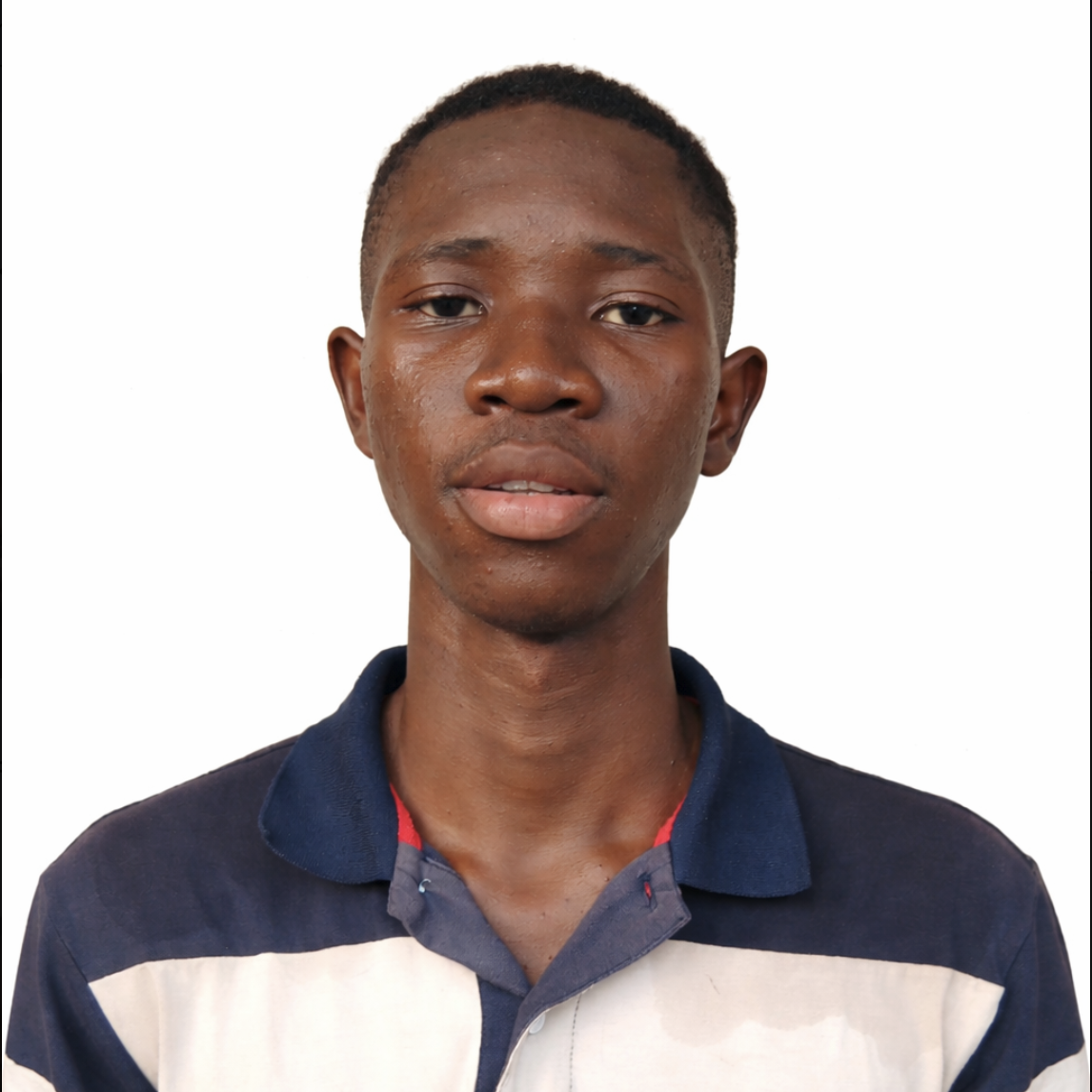 Alex Fefegula Harding
Dr. Alex Bangura has urged Sierra Leoneans to reconsider their clothing choices, stay hydrated and adopt practical cooling measures as concerns over excessive heat continue to draw attention to public health.
Speaking in an interview with Liberty Online TV on Thursday, Nov. 5, Bangura placed particular emphasis on the clothing women wear, recommending breathable fabrics such as cotton and linen to improve comfort during periods of high temperatures.
He advised women to pay attention to the materials used in their underwear, trousers and other garments, noting that clothing choices should also consider individual skin sensitivity.

Bangura expressed reservations about nylon clothing, saying he personally avoids wearing nylon trousers because of the discomfort he associates with excessive heat.



He also discussed concerns about skin-lightening lotions, suggesting that some products could leave users more sensitive to sunlight. However, he did not provide scientific evidence to establish a direct link between the products and increased heat-related skin damage.
Beyond women’s clothing, Bangura recommended lightweight options for men, including chinos and linen trousers, particularly for people who spend long hours at work.
He also encouraged consumers to examine fabric quality and texture when purchasing clothes, regardless of their country of origin.
On hydration, Bangura advised people to carry drinking water whenever they leave home. He suggested that those unable to afford bottled water could transfer sachet water into reusable bottles for convenience.
Sharing his personal approach to managing high temperatures, he said he carries a damp towel to cool his skin while moving around.
He also called for greater attention to schoolchildren, stressing the importance of appropriate clothing to help them cope with hot conditions while travelling to and attending school.
The recommendations broadly reflect World Health Organization guidance, which advises wearing lightweight, loose-fitting clothing, drinking water regularly and using damp cloths to cool the body during excessive heat.
The WHO also recommends dressing children in lightweight clothing that covers their skin and limiting their exposure to direct sunlight during the hottest periods of the day.
Freetown City Council has separately taken steps to strengthen the city’s response to heat-related health risks.
In July 2026, the council partnered with health authorities and HB Ltd to train 35 frontline health workers to recognise and manage heat-related illnesses. The programme forms part of the C40 Cities-supported Enhancing Heat-Health in Freetown project. Freetown City Council
The WHO identifies dehydration, heat exhaustion and heatstroke among the potential consequences of excessive heat, with heatstroke requiring urgent medical attention. World Health Organization