

 Post a comment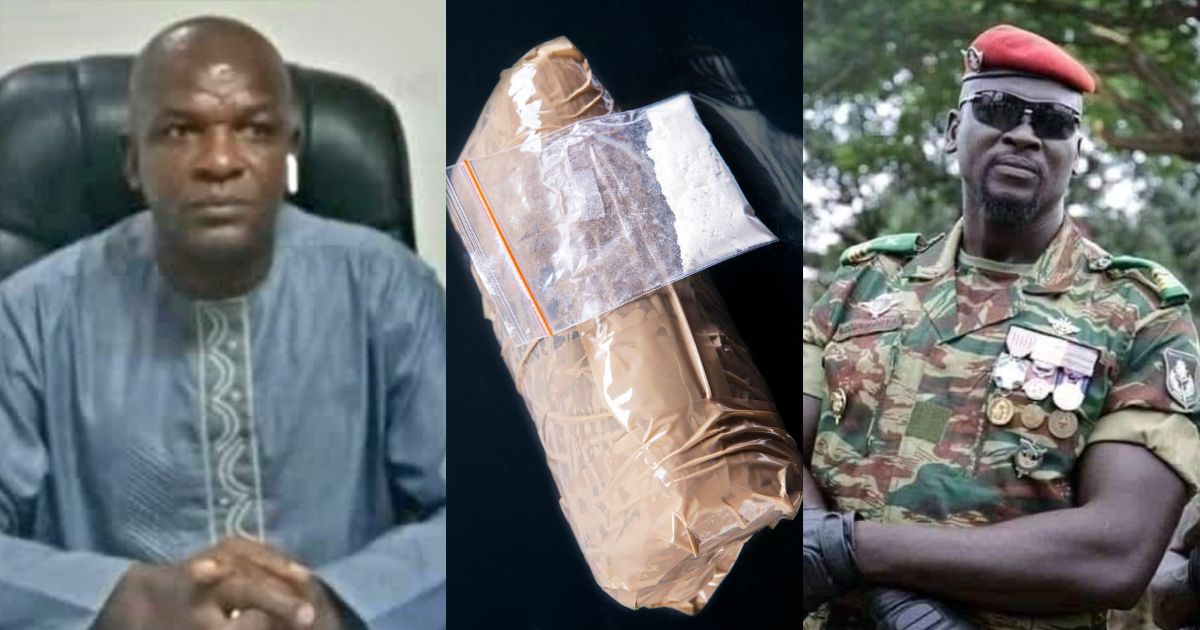
A former official driver for the Sierra Leone Embassy in Guinea has been sentenced to five years in prison following a high-profile drug trafficking trial that exposed the misuse of diplomatic privileges.
Mohamed Kamara was found guilty of multiple counts of international cocaine trafficking by the Kaloum High Court in Conakry this February. In addition to his prison sentence, the court handed Kamara a mandatory 10-year ban from entering Guinean territory, which will take effect immediately after he serves his five-year term.
Kamara’s conviction stems from a dramatic arrest on the night of December 31, 2024. Acting on a credible intelligence tip-off, Guinean security forces intercepted a Sierra Leonean diplomatic vehicle driven by Kamara as it returned to Guinea from Kambia, Sierra Leone.
Despite the vehicle displaying official “CD” (Corps Diplomatique) license plates and Kamara carrying an official diplomatic identity card and a stamped Laissez Passé travel document, authorities breached standard diplomatic immunity protocols to search the car.
Inside, they discovered seven suitcases packed with cocaine, along with approximately $2,000 in cash. The former Sierra Leonean Ambassador to Guinea, Alimamy Bangura, was not in the vehicle at the time and has since been completely cleared of any involvement by Guinean authorities.
While Kamara faces the next half-decade behind bars, justice remains incomplete for two other men implicated in the smuggling operation.
Alpha Bah: Escaped from custody prior to the trial’s conclusion. (Officials have clarified there is no known connection between Bah and Sierra Leone’s Vice President Jalloh, despite widespread public speculation).
Kamara Kamara: Also escaped from custody alongside Bah.
Both fugitives were tried and convicted in absentia, a procedure permitted under Guinean drug trafficking laws.
The trial heavily highlighted how Kamara allegedly exploited his official position and the protections offered by the U.N. Vienna Convention on Diplomatic Relations to operate as a courier for an international drug ring. The signed and stamped embassy travel documents found in his possession during the arrest raised serious questions about how easily diplomatic channels can be co-opted by transnational criminal organizations.
While the impounded diplomatic vehicle was finally returned to the Government of Sierra Leone on February 27, 2026, the diplomatic fallout and regional security concerns sparked by Kamara’s actions continue to resonate across West Africa.


