

10 Hidden Gems in Sierra Leone You Probably Didn’t Know About
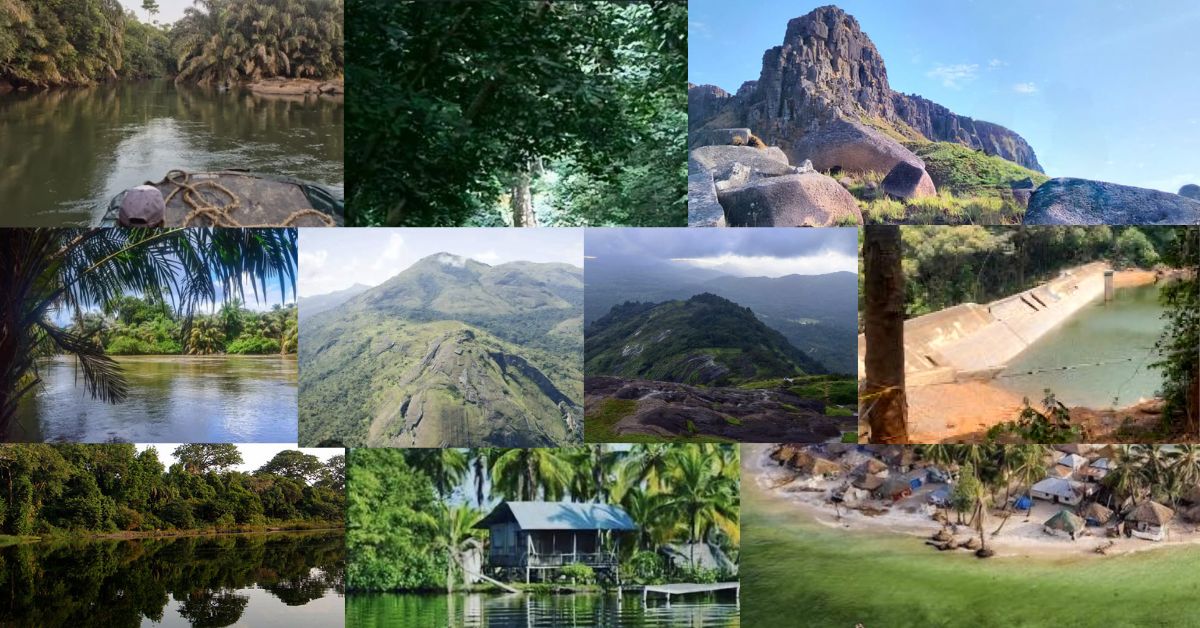
Sierra Leone is famous for its beautiful beaches, but its tourism story stretches far beyond the coastline. From rainforest islands and mountain landscapes to historic settlements and wildlife sanctuaries, the country has plenty of destinations that remain relatively unfamiliar even to many Sierra Leoneans.
Here are 10 hidden gems in Sierra Leone worth putting on your travel radar.
1. Tiwai Island Wildlife Sanctuary

Deep in the Moa River, Tiwai Island is a remarkable destination for anyone interested in wildlife and rainforest. Its name means “Big Island” in the Mende language, and it is a sanctuary for an impressive variety of primates and other rare animals. The island hosts 11 different primate species, including the critically endangered Western chimpanzee, and is also home to the elusive pygmy hippopotamus.



What makes Tiwai special is the feeling of being genuinely immersed in nature. A remote wilderness camp allows visitors to stay overnight off-grid, listening to the symphony of the jungle and even hearing the footsteps of a pygmy hippo wandering nearby. It is far removed from the noise of Freetown and offers a completely different side of Sierra Leone.
Best for: Wildlife, rainforest exploration and ecotourism.
2. Gola Rainforest National Park
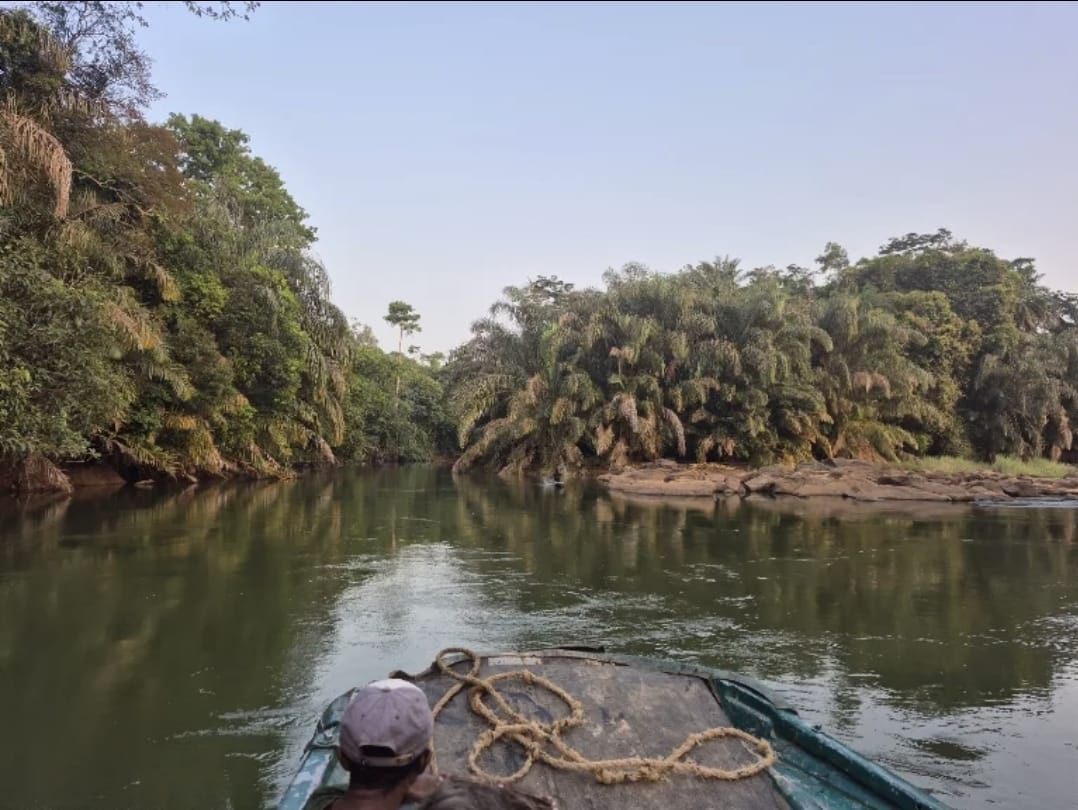
Sierra Leone’s rainforest is one of its greatest natural assets, and Gola is at the heart of that story. The forest is exceptionally rich in biodiversity and, together with Tiwai Island, was inscribed as a UNESCO Natural World Heritage Site in 2025, giving Sierra Leone its first World Heritage Site.
The park covers over 71,000 hectares and is part of the Upper Guinean Rainforest, a globally important biodiversity hotspot. Home to endangered mammals like pygmy hippos, pangolins, forest elephants, and over 320 species of birds, it represents decades of successful community-led conservation.
Best for: Rainforest, wildlife and ecotourism.
3. Mount Bintumani and the Loma Mountains
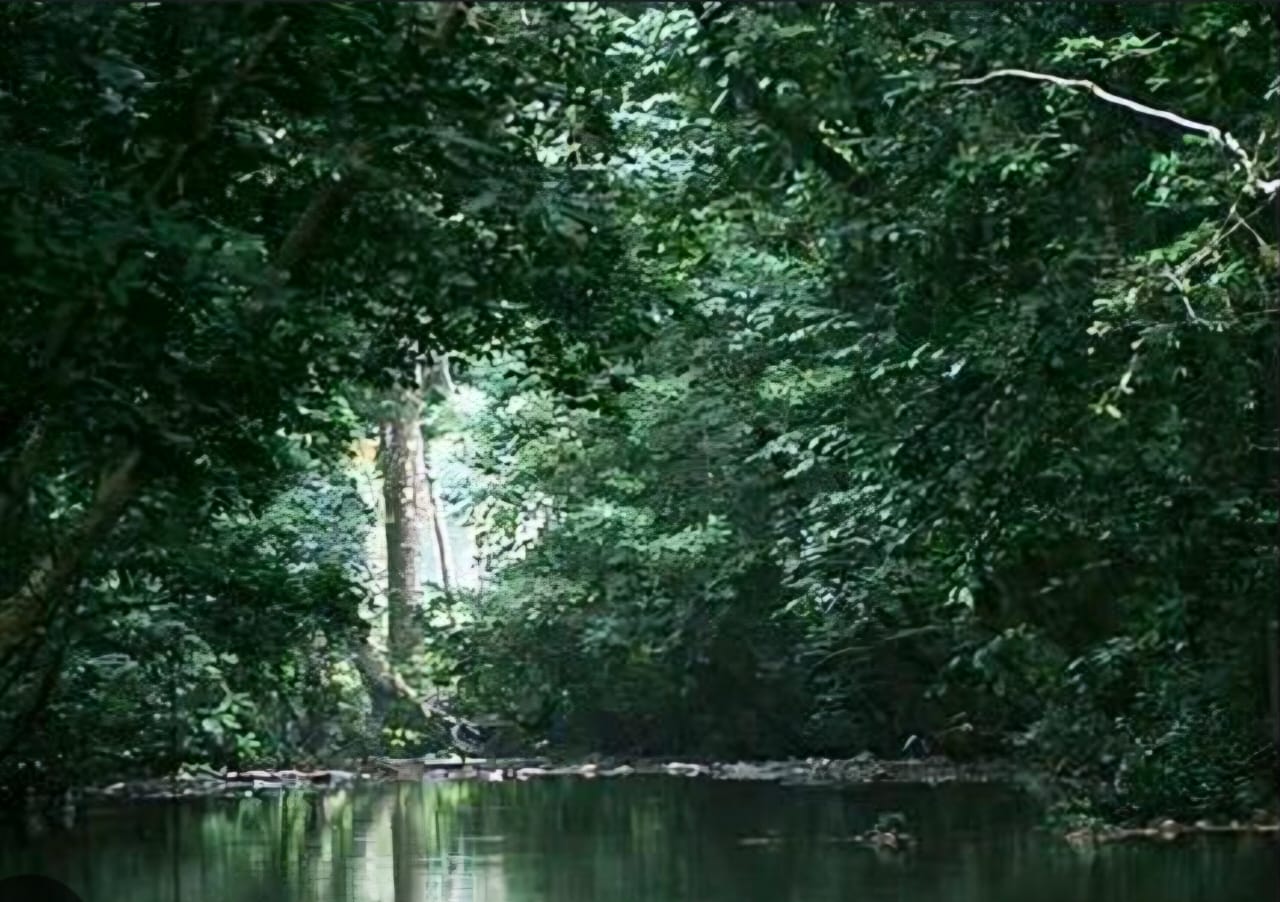
Sierra Leone’s highest mountain is hiding in the northern part of the country. Mount Bintumani, also known as Loma Mansa, rises to approximately 1,945 metres (6,381 ft) within the Loma Mountains.
The challenging hike to the summit starts at about 400 metres above sea level and covers roughly 29 kilometres (18 miles) of rugged terrain, often taking two full days to complete. This dramatic highland landscape offers a completely different perspective from the country’s famous beaches.
Best for: Mountain scenery, hiking and adventure.
4. Bonthe Island
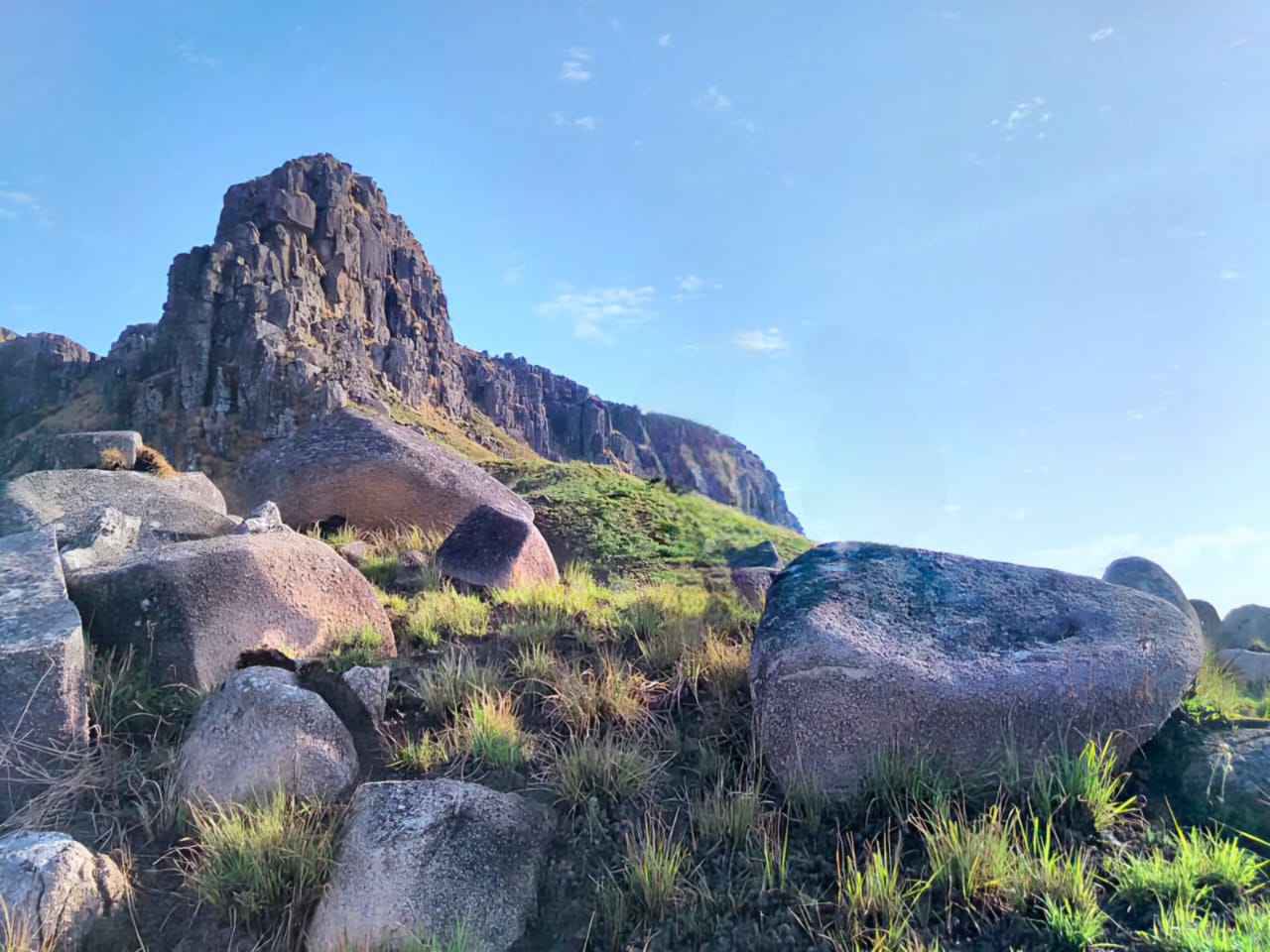
Bonthe Island feels like a different chapter of Sierra Leone’s history. Located in the south on Sherbro Island, the town of Bonthe was once a major trading port and the British colonial centre for ivory, palm oil, and the slave trade.
Today, it is a “time capsule” of crumbling colonial villas, brick merchant houses with iron-railed verandas, and a derelict colonial hospital, all slowly being reclaimed by nature. There are no motorable roads on the island, and everything moves on foot, by bicycle, or by boat along the Sherbro River. The beaches here are considered among the best in West Africa, and it is a crucial nesting site for leatherback sea turtles.
Best for: History, culture and slow travel.
5. Turtle Islands
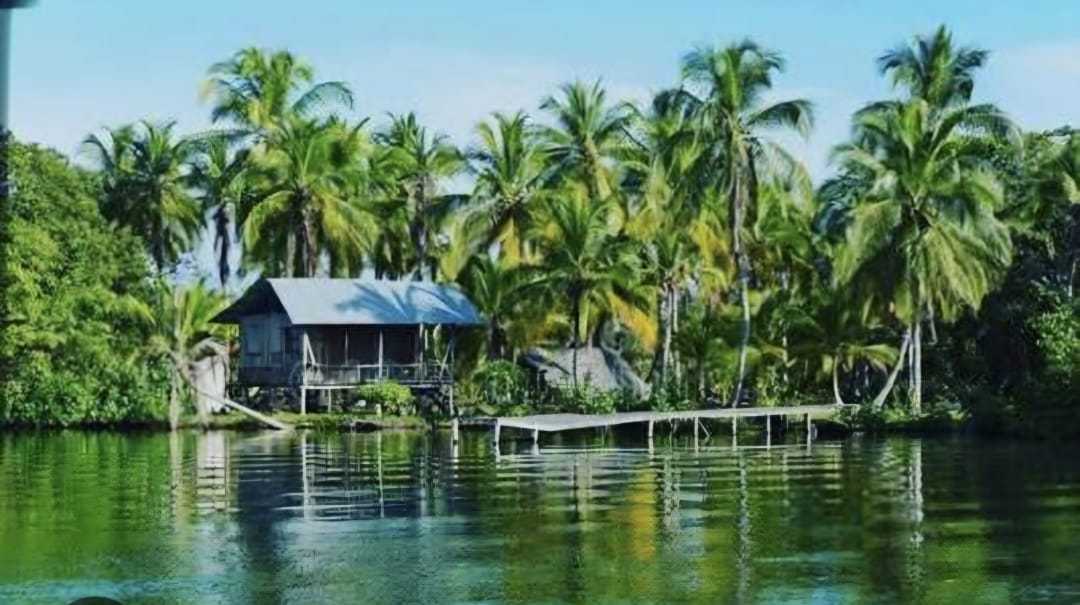
For travellers searching for untouched coastal scenery, the Turtle Islands offer a remote island experience. This archipelago of eight low-lying islands lies off the southern coast, accessible only by a three-hour boat journey. Seven of the eight islands are inhabited by the Sherbro people, who maintain their traditional fishing culture and customs, including evening gatherings with singing that has been preserved for generations.
It is a place of striking beauty and deep cultural significance, with one island, Hoong, reserved exclusively for initiated men. The journey is a true adventure, making the islands a better fit for those who enjoy exploring places outside the usual tourist circuit.
Best for: Island exploration, beaches and nature.
6. Outamba-Kilimi National Park
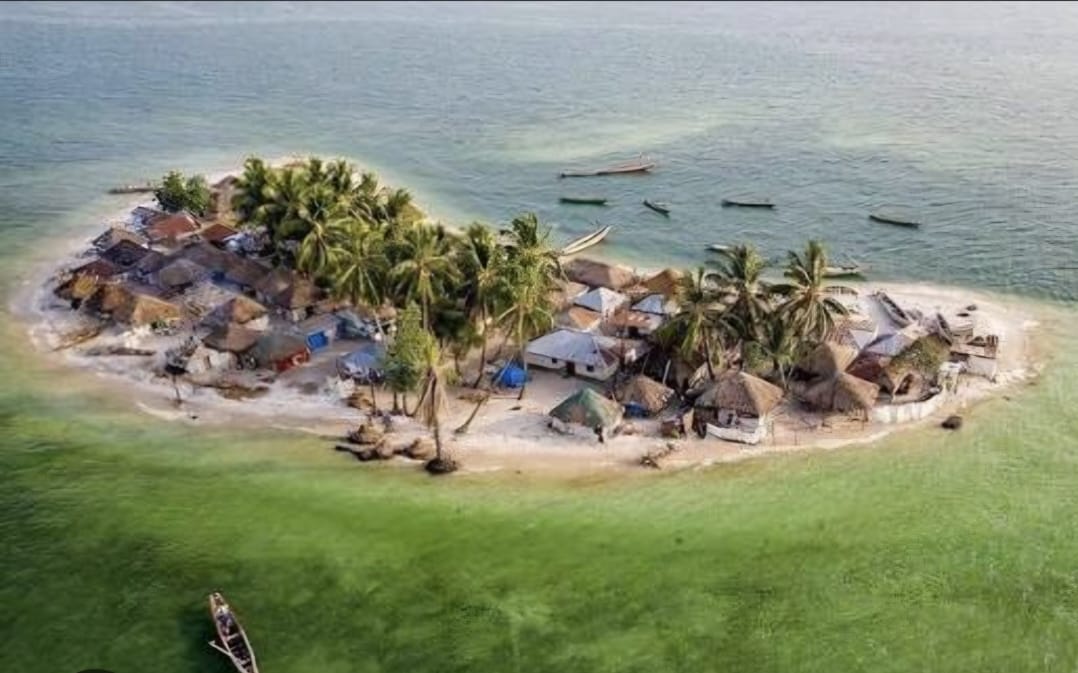
If you want Sierra Leone to feel like a true wilderness adventure, head north. Outamba-Kilimi National Park is a diverse landscape containing forests, savannahs, rivers and wetlands. The park supports a wide range of wildlife, including elephants, hippos, chimpanzees and numerous bird species.
It is a destination for travellers willing to venture beyond the country’s better-known attractions, seeking a more rugged and remote experience.
Best for: Wildlife, hiking and wilderness experiences.
7. Kangari Hills Forest Reserve
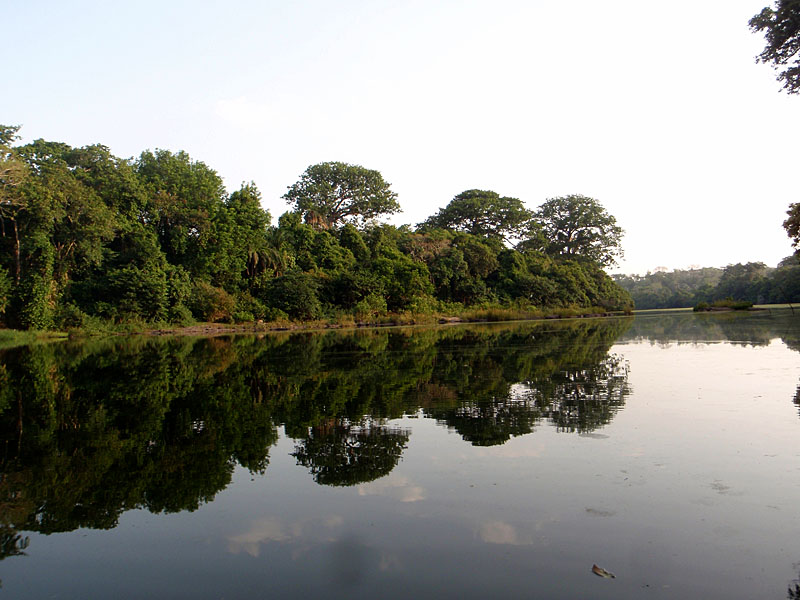
Another destination for nature lovers looking for a less-developed side of Sierra Leone’s interior is the Kangari Hills Forest Reserve. Its forested landscape provides a unique opportunity to explore the country’s biodiversity away from the popular coastal areas. The reserve is known as an important location for birdwatching, making it particularly interesting for visitors fascinated by Sierra Leone’s wildlife. Its hills are also formed of a granite batholith created during the Pan-African orogeny.
Best for: Nature, hiking and birdwatching.
8. Kambui Hills Forest Reserve
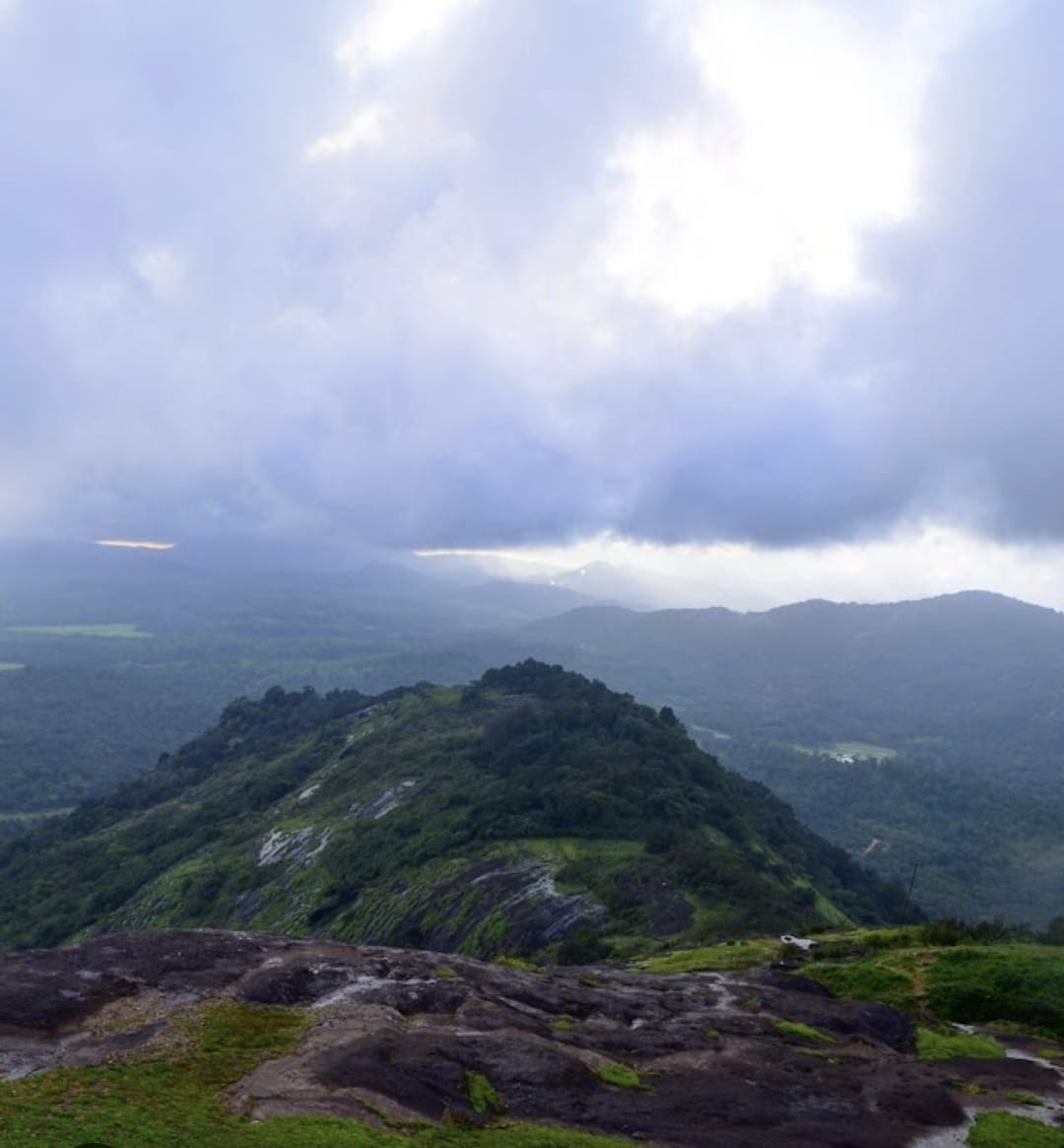
Near Kenema, the Kambui Hills offer a glimpse into Sierra Leone’s rich forest ecosystems. They are identified by tourism sources as one of the country’s important locations for birdwatching and nature exploration. The reserve offers hiking opportunities through its forested hills, providing an escape into nature and showcasing the biodiversity of the Eastern Province.
Best for: Hiking, forests and birdwatching.
9. Mamunta Mayosso Wildlife Sanctuary
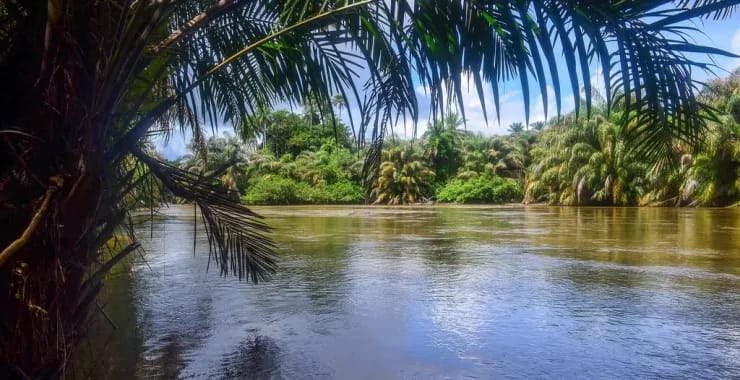
Located in Tonkolili District, Mamunta Mayosso is a lesser-known wildlife sanctuary with an important conservation role. It is recognized for protecting the threatened dwarf crocodile and is also home to hundreds of bird species. For birdwatchers and nature enthusiasts, this relatively small sanctuary packs a surprising amount of biodiversity into one location.
Best for: Birdwatching and wildlife.
10. Mount Gabon
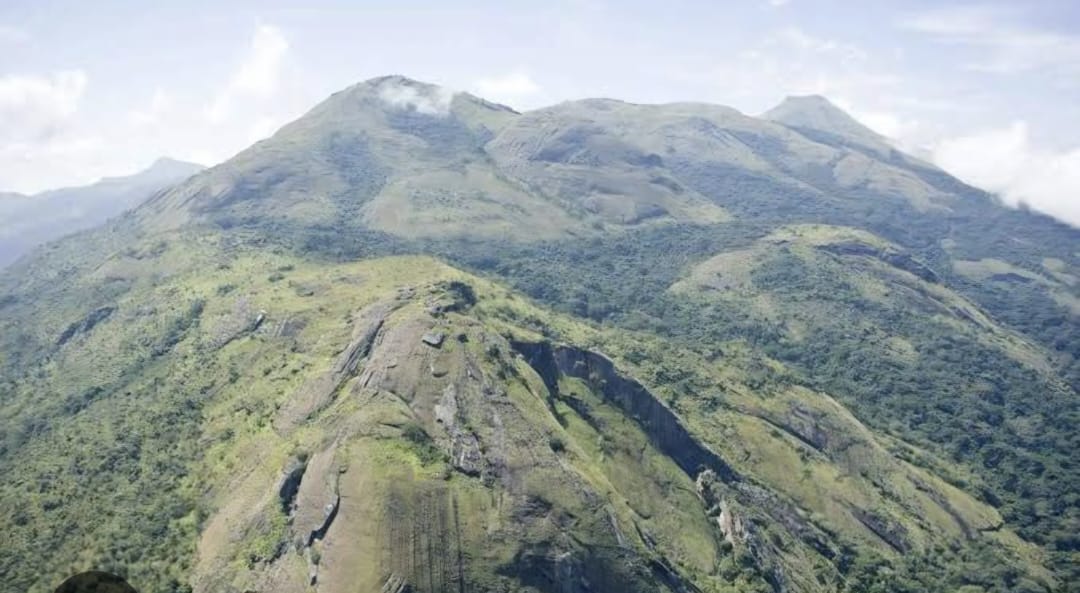
Not every hidden gem requires travelling deep into the provinces. Mount Gabon provides a forest hiking experience close enough to Freetown to be accessible for a quick nature escape. A recent Ministry of Tourism-supported hike described a three-hour expedition through the forest, where participants encountered diverse plants, butterflies and other wildlife. It is a reminder that some of Sierra Leone’s most interesting adventures can be found surprisingly close to the capital.
Best for: Hiking, nature and a quick escape from the city.
Sierra Leone Has More Than Beaches
The beauty of Sierra Leone is that its tourism map does not end where the sand begins. The country has rainforests, mountains, wildlife sanctuaries, historic islands, rivers and remote communities waiting to be explored. These hidden gems prove that Sierra Leone still has plenty of stories waiting to be discovered. 🇸🇱
FAQs
What is the best time to visit Sierra Leone for a wildlife safari?
The best time to visit is during the dry season, from November to April. Roads are more accessible, and wildlife is often easier to spot as animals gather near water sources.
Is it safe to travel to the Turtle Islands?
The Turtle Islands are a remote and beautiful destination, but travel requires careful planning. Boat journeys can be long and rough, particularly during the wet season from May to October. It is essential to go with a guide, bring all necessary supplies (including cash, as there are no ATMs), and be prepared for a completely off-grid experience. The islands are also at high risk from rising sea levels.
How do I get to Tiwai Island?
The journey is an adventure in itself. From Freetown, it’s about 240km of tarmac highway before hitting rough roads to the banks of the Moa River. From there, visitors take a dugout canoe to the island, sometimes crossing by torchlight at night.
Why is the Gola Rainforest National Park important?
Gola Rainforest National Park is a globally significant biodiversity hotspot and is Sierra Leone’s first UNESCO Natural World Heritage Site. It protects endangered wildlife like the pygmy hippo, forest elephant, and western chimpanzee, and it is a vital carbon sink.