
Government Moves to Establish Animal Quarantine Centres in Border Districts
 Daniel Amara
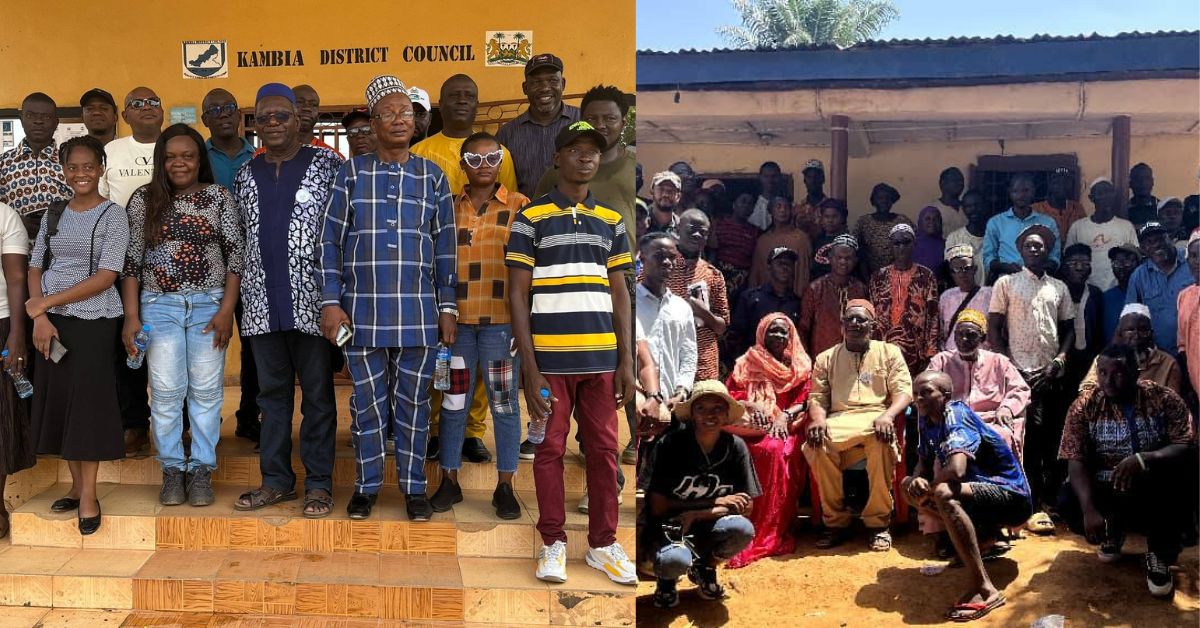
 The Livestock and Veterinary Services Division under Sierra Leone’s Ministry of Agriculture and Food Security (MAFS), with support from the World Bank Pandemic Fund, has concluded stakeholder engagement meetings in Kambia and Falaba Districts ahead of the planned establishment of animal quarantine facilities in the two border communities.
The engagements brought together farmers, livestock traders, religious leaders, local authorities, and other community stakeholders to discuss the proposed facilities and their role in strengthening disease surveillance and animal health management along Sierra Leone’s border districts. The meetings were held from May 5–8 in Kambia and May 7–9 in Falaba.
Speaking in Kambia, Assistant Director for Livestock, Mr. Salam Saidu, reflected on lessons from past public health emergencies, including the Ebola outbreak and Monkeypox. He noted that Sierra Leone previously recorded about 30 percent capacity in animal disease surveillance and stressed that nearly 75 percent of infectious diseases affecting humans originate from animals.

Mr. Saidu explained that the World Bank Pandemic Fund was established to support countries in strengthening health and livestock systems, adding that Sierra Leone successfully secured funding to improve its livestock sector and disease response mechanisms.


A similar message was delivered in Falaba by the Deputy Secretary at MAFS, Mr. Sundu Marrah, who emphasized the importance of strengthening livestock systems to prevent future outbreaks.
Animal Production Officer at MAFS, Mr. Joseph M. Samai, said Kambia and Falaba were selected for the quarantine facilities due to their strategic border locations. He urged local authorities to support the initiative by providing land, noting that the centres would serve as community assets for monitoring livestock movement and preventing disease spread.
Mr. Samai further disclosed that Parliament is expected to pass the Animal Health Bill, which aims to strengthen animal health regulation, improve monitoring of animal products, and standardize certification for livestock movement nationwide.
World Bank representative and Environmental Safeguards Specialist under the Integrated Health Projects Administration Unit (IHPAU), Madam Christiana Fortune, highlighted the importance of environmental and social safeguards in implementing the project. She stressed proper waste management and collaboration with landowners to ensure compliance with World Bank requirements.
Speaking on behalf of lawmakers, Hon. Mohamed Tarawallie Fofanah, Member of Parliament for Constituency 057 in Kambia District, welcomed the initiative, describing it as a critical intervention to improve public safety, livestock management, and economic opportunities.
Stakeholders in both districts expressed strong support for the project and pledged cooperation in providing land and local leadership backing for the successful establishment of the facilities. The engagements were held at the respective District Council Halls.