

 Post a comment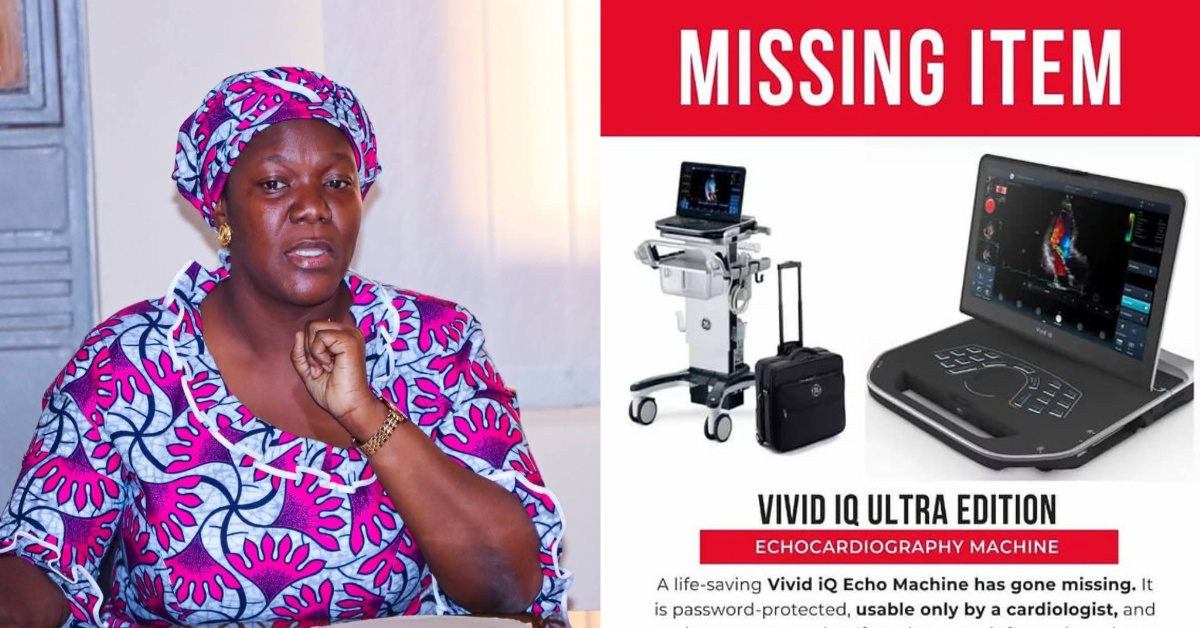
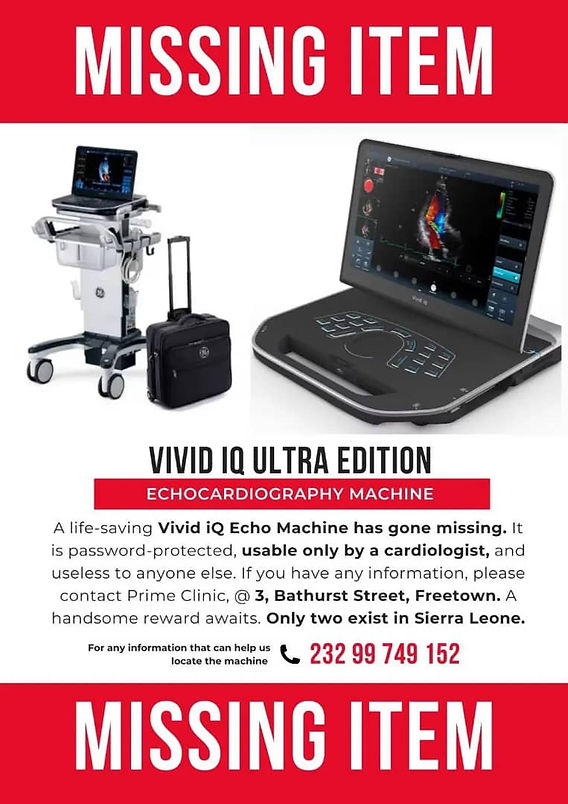
The Managing Director of the National Medical Supplies Agency, Madam Jatu Josephine Abdulai, has issued a strong warning against corruption and malpractice, declaring a zero-tolerance stance as investigations deepen into the disappearance of several portable ultrasound machines.
Speaking during a press briefing, Madam Abdulai emphasized that the Agency is treating the matter with utmost urgency, noting that the missing equipment is critical to healthcare delivery, particularly in improving access to diagnostic services across the country.
She revealed that the Agency is working closely with the Anti-Corruption Commission to ensure a thorough and transparent investigation. According to her, all personnel involved in the medical supply chain during the period under review have been made available to assist investigators.
“The Agency is fully cooperating with the ACC to ensure a comprehensive, transparent, and credible process,” she stated.
Reaffirming the Agency’s uncompromising position, Madam Abdulai stressed that any individual found responsible for the disappearance of the machines would face the full force of the law. She warned that acts of theft, corruption, and mismanagement not only violate public trust but also undermine the effective delivery of essential healthcare services.
The Managing Director further disclosed that the incident has prompted immediate internal actions aimed at tightening oversight and preventing recurrence. These include strengthening control systems, enhancing security at central warehouses and district distribution points, and improving monitoring mechanisms across the supply chain.
In addition, the Agency is collaborating with the Ministry of Health to roll out a nationwide campaign targeting the prevention of drug and medical supply pilferage, as part of broader efforts to safeguard public health resources.
Madam Abdulai assured the public that efforts are ongoing to recover the missing ultrasound machines, reiterating that the Agency remains committed to accountability, transparency, and the efficient distribution of life-saving medical supplies.
“Our priority is to ensure that these essential machines reach the health facilities and communities for which they were intended,” she stressed.


