

 Post a comment
 Officials of the Port Loko District Council have called for stronger collaboration among stakeholders to accelerate the implementation of audit recommendations and improve financial accountability within the council.
Speaking during the engagement, Mohamed Karimu, Human Resource Officer at Port Loko District Council, welcomed participants and explained that the meeting was convened to review progress on audit recommendations and discuss challenges affecting revenue mobilisation and budget preparation.
Karimu noted that some key council officials were unable to attend due to other official engagements, but emphasised that the meeting remained important for advancing discussions on improving institutional performance.
He said the council faces challenges in revenue mobilisation and budget preparation, both of which are critical to implementing audit recommendations and strengthening financial management.
“To successfully implement these recommendations, we must collaborate with other stakeholders and partners who can support the council in addressing these issues,” he said, calling for open and constructive discussions among participants.
During the meeting, Abdulrahman Sesay, Senior Programme Officer at the Budget Advocacy Network (BAN), highlighted the importance of collective action in implementing audit recommendations across local councils.
He said the engagement formed part of a broader initiative to strengthen transparency and accountability in local government through audit review and public participation.
According to Sesay, a round-table approach involving Paramount Chiefs, civil society organisations, women’s groups, the media, and members of the external audit committee is critical to ensuring that audit findings are properly reviewed and addressed.
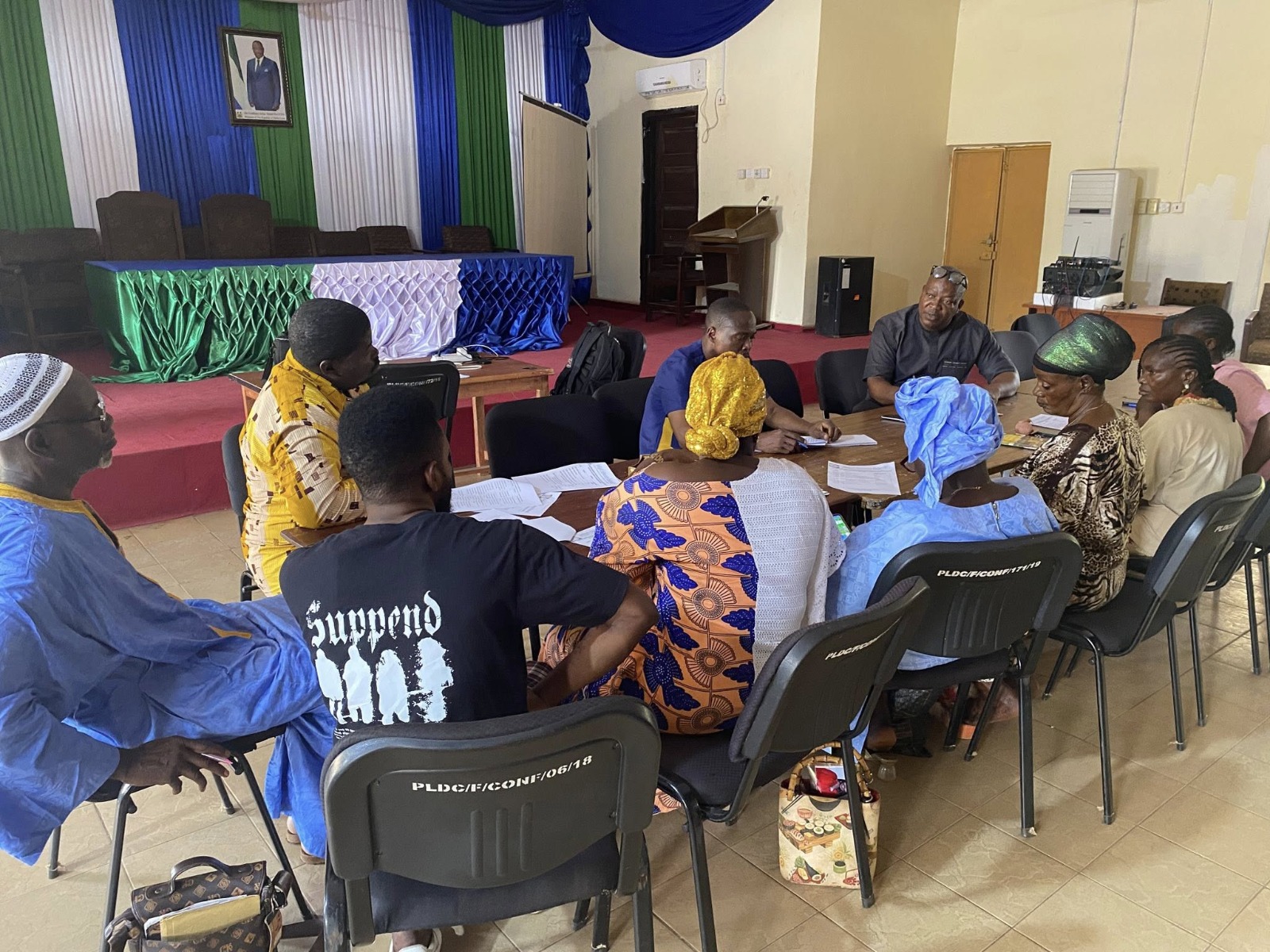
“The purpose of these engagements is not just to discuss the audit reports but to agree on clear responsibilities, timelines, and actions for implementing the recommendations,” he said.
Sesay stressed that councils must address audit issues promptly to avoid backlogs that could affect subsequent audit cycles.
He cited an example in which funds allocated for a school project had been mismanaged, prompting stakeholders to agree that the money should be refunded and the project completed by April 30.
The meeting also reviewed a dossier of financial and operational issues identified in the audit process.
Presenting the findings, Chernor Kamara, Internal Auditor of the Port Loko District Council, outlined several areas requiring attention, including discrepancies in revenue reporting, missing documentation for property payments and service agreements, and weaknesses in procurement compliance.
Other concerns raised included delays in remitting statutory deductions such as PAYE taxes and social security contributions, the absence of approved procurement plans, and incomplete project implementation in some sectors.
The audit also highlighted gaps in service delivery, including unfinished classroom projects, incomplete water well construction, and delays in distributing furniture procured for schools.
Officials said addressing these issues would require improved documentation, stronger internal controls, and closer monitoring of council projects and financial records.
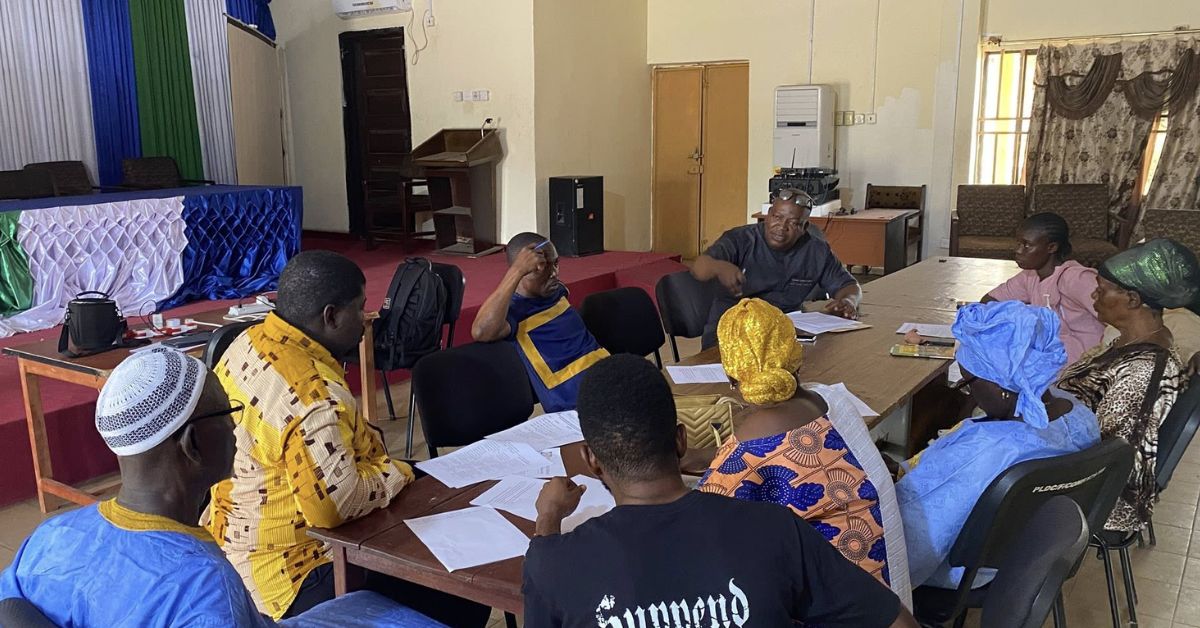
Participants agreed to strengthen coordination among council departments, oversight bodies, and community stakeholders to ensure that audit recommendations are implemented and that public resources are managed more effectively.
The engagement formed part of ongoing efforts to improve audit accountability and financial governance across local councils in Sierra Leone, with stakeholders emphasizing that transparency and timely action on audit findings are essential for building public trust and improving service delivery.


