

 Post a comment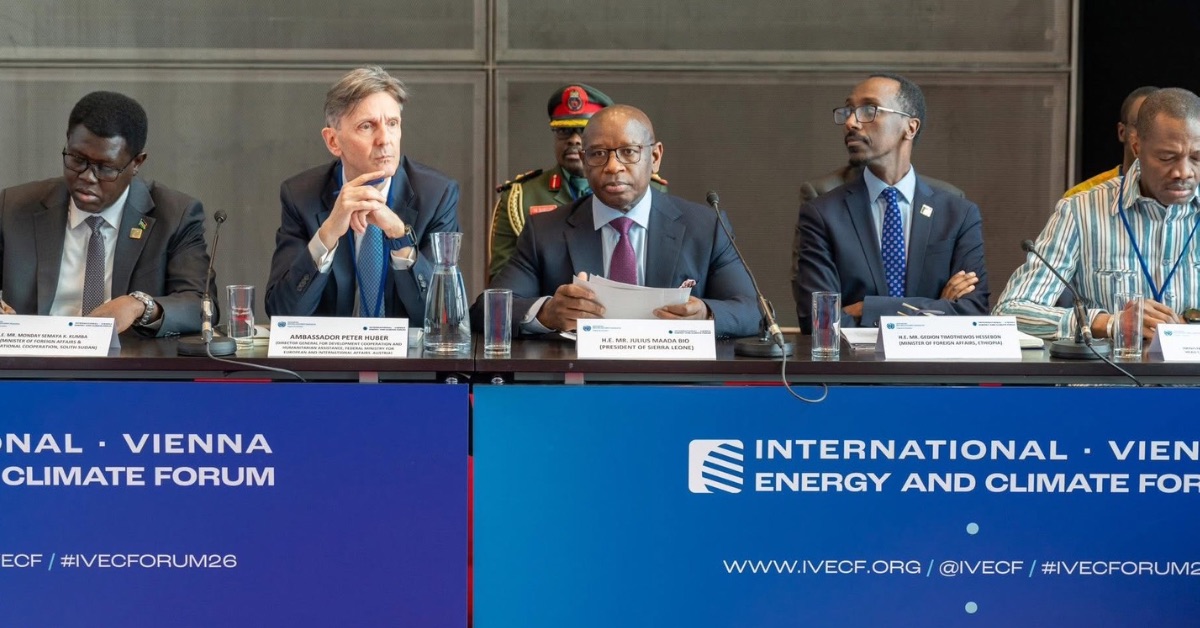
Sierra Leone President, Dr. Julius Maada Bio has called for immediate global action to link energy access directly to economic transformation, positioning green industrialisation as essential for stability and shared prosperity in developing nations.
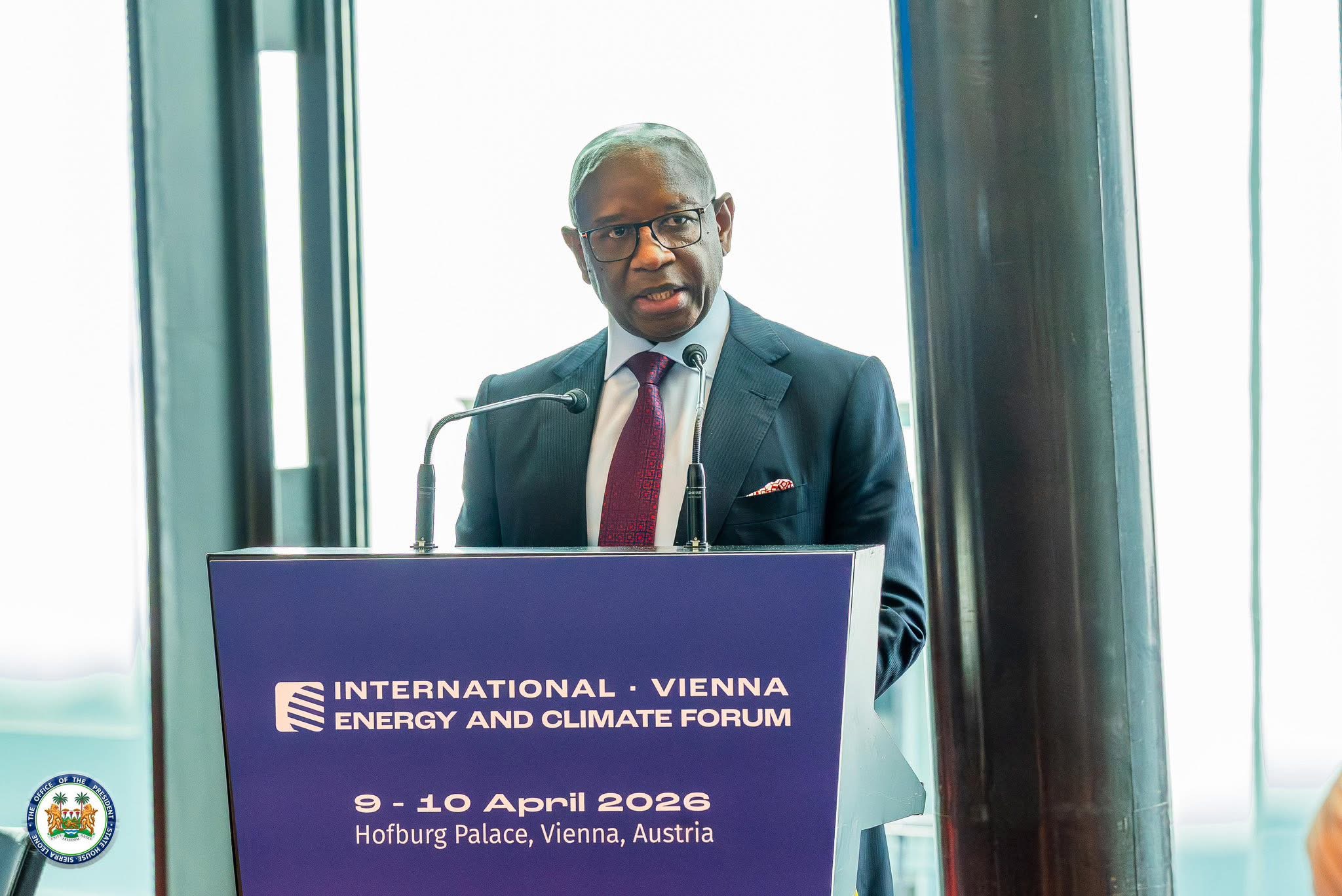
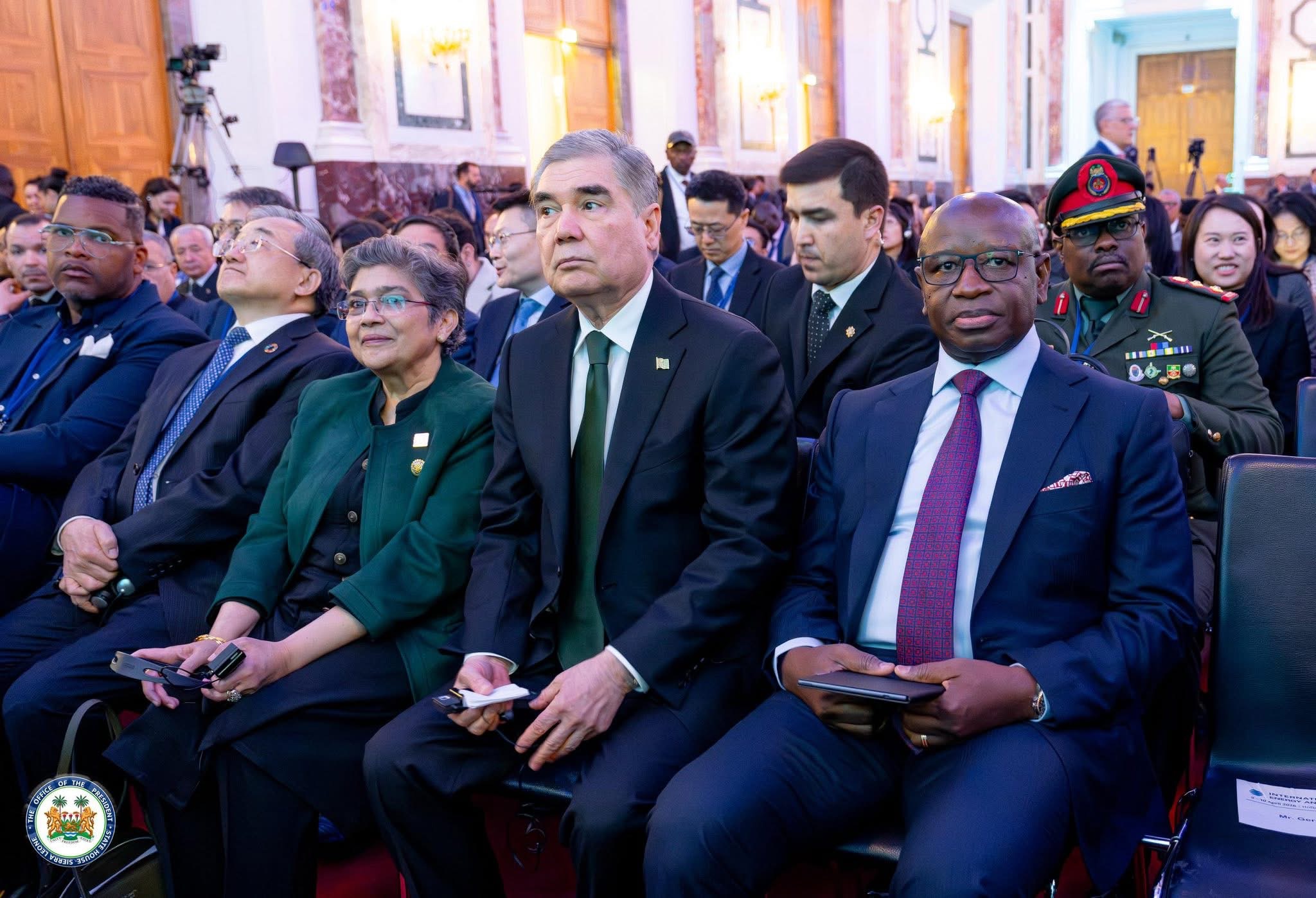
Speaking on Thursday, April 9, 2026, at a high-level roundtable on the margins of the International Vienna Energy Forum in Vienna, President Bio stressed that energy investments must move beyond basic access and actively support production, job creation, and livelihoods.
“For countries like Sierra Leone, energy is not the end goal, it is the engine of production, jobs, and stability,” he said.
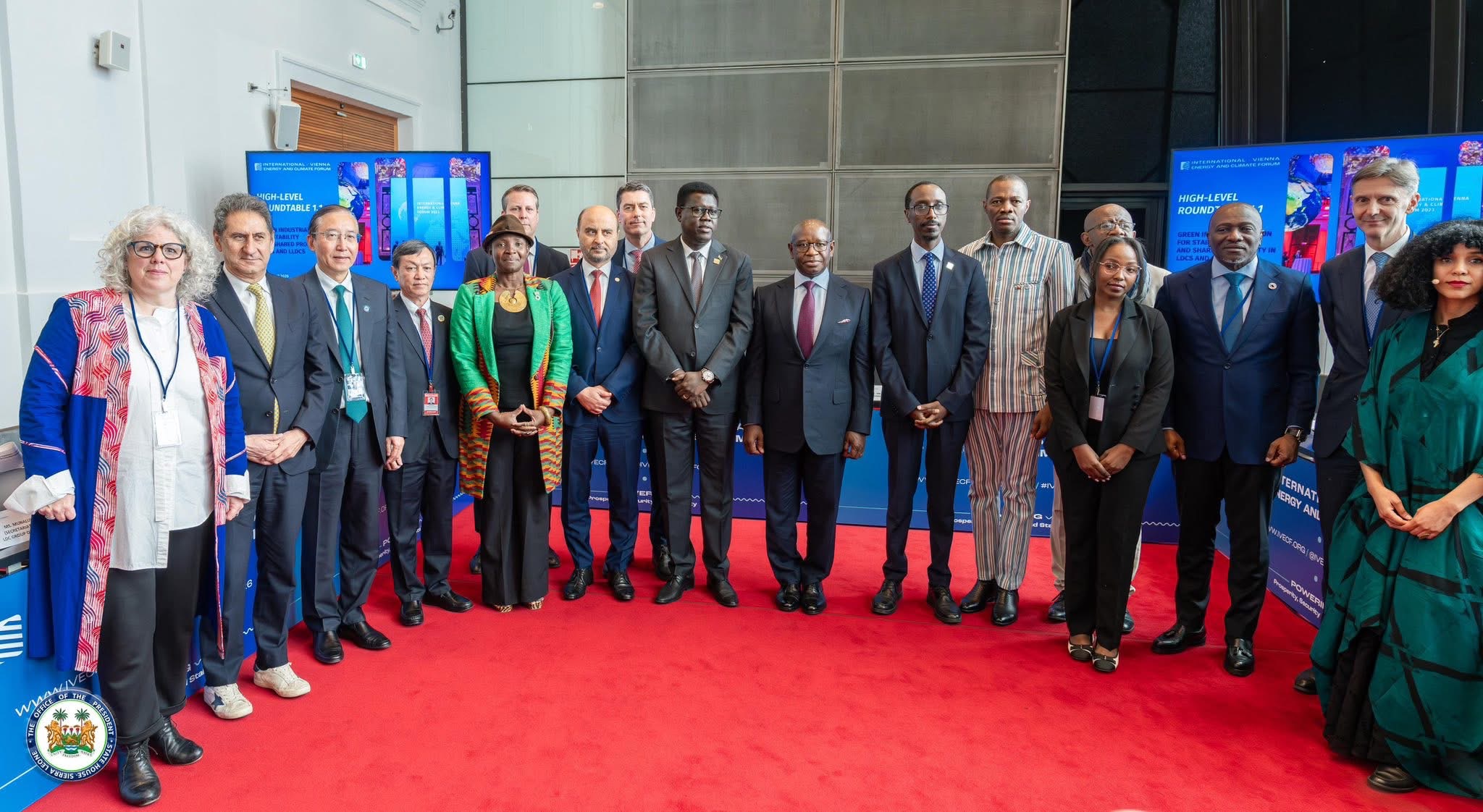
President Bio highlighted Sierra Leone’s strategy of linking energy development with key productive sectors through flagship initiatives such as Feed Salone. He explained that the programme supports irrigation, agro-processing, cold storage, and rural enterprises, helping to boost productivity, raise incomes, and strengthen resilience across communities.
He noted that while expanding national electricity grids remains important, decentralised renewable energy solutions – including mini-grids and stand-alone systems – offer the fastest and most practical way to increase access, especially in rural and underserved areas.
The President also identified green industrialisation as a major opportunity for economic growth. He pointed to Sierra Leone’s clean cooking transition as an example of how targeted reforms and investments are creating new value chains and business opportunities, particularly for women.
On international cooperation, President Bio referenced ongoing partnerships aimed at accelerating decentralised energy access and increasing private sector participation. As current Chairman of the ECOWAS, he said efforts are underway to align regional energy markets and project pipelines to attract larger-scale investment.
Looking ahead, the President announced that Sierra Leone will roll out a Distributed Renewable Energy and Clean Cooking Acceleration Initiative within the next 12 months under its Mission 300 Compact.
The initiative will focus on scaling solar energy for productive use, expanding access to clean cooking, and mobilising blended finance through collaboration with development institutions and private investors.
He also underscored the need for more affordable and accessible financing, noting that high capital costs and risk perceptions continue to constrain investment in developing countries.
Concluding his remarks, President Bio reaffirmed Sierra Leone’s readiness to serve as a demonstration country for effective energy solutions, emphasising that the ultimate goal is not just increased electricity generation, but improved livelihoods and long-term national stability.


