

President Bio Receives NaMEA’s 2025 Annual Monitoring and Evaluation Report

 Kanja Sesay
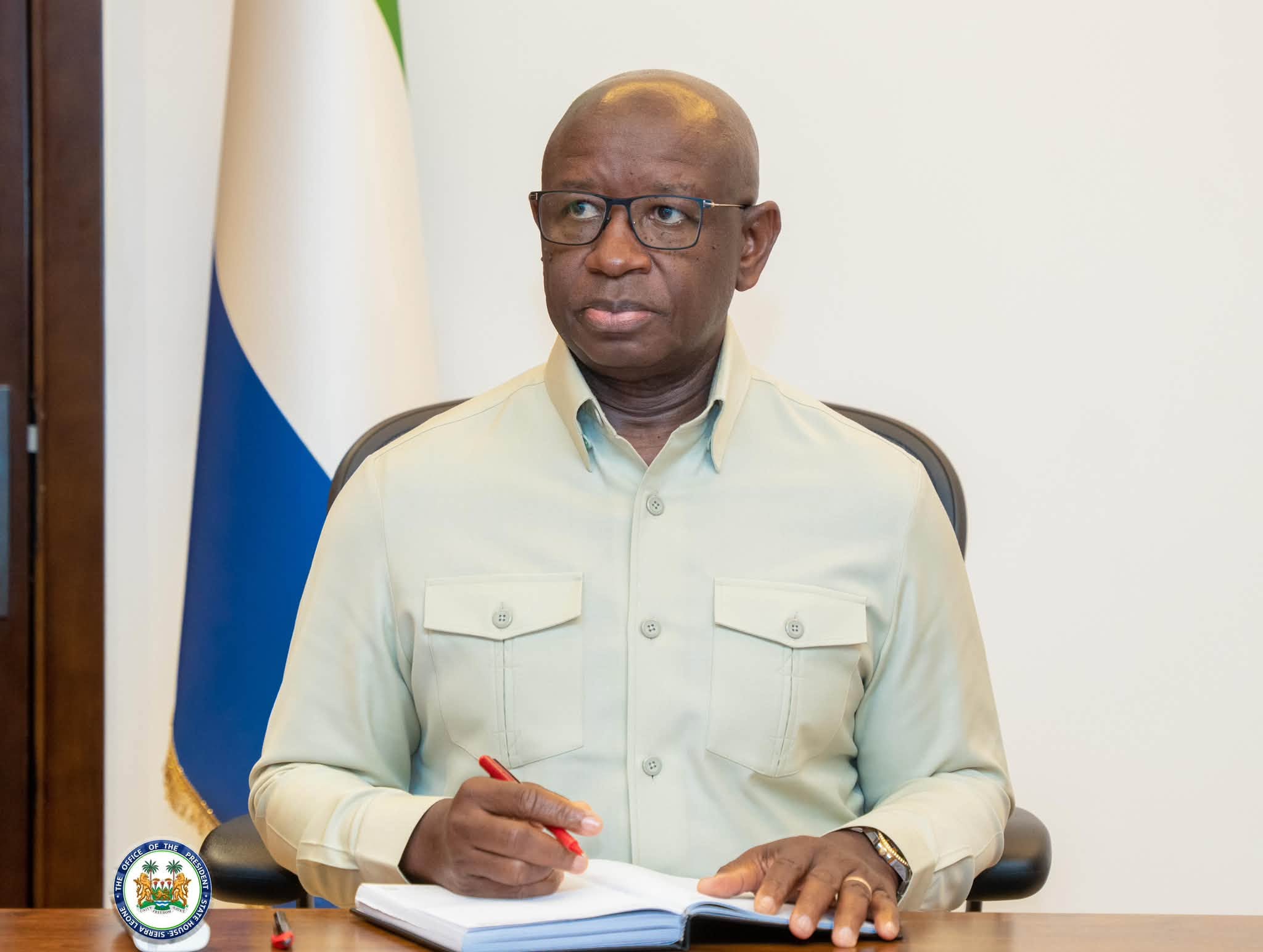
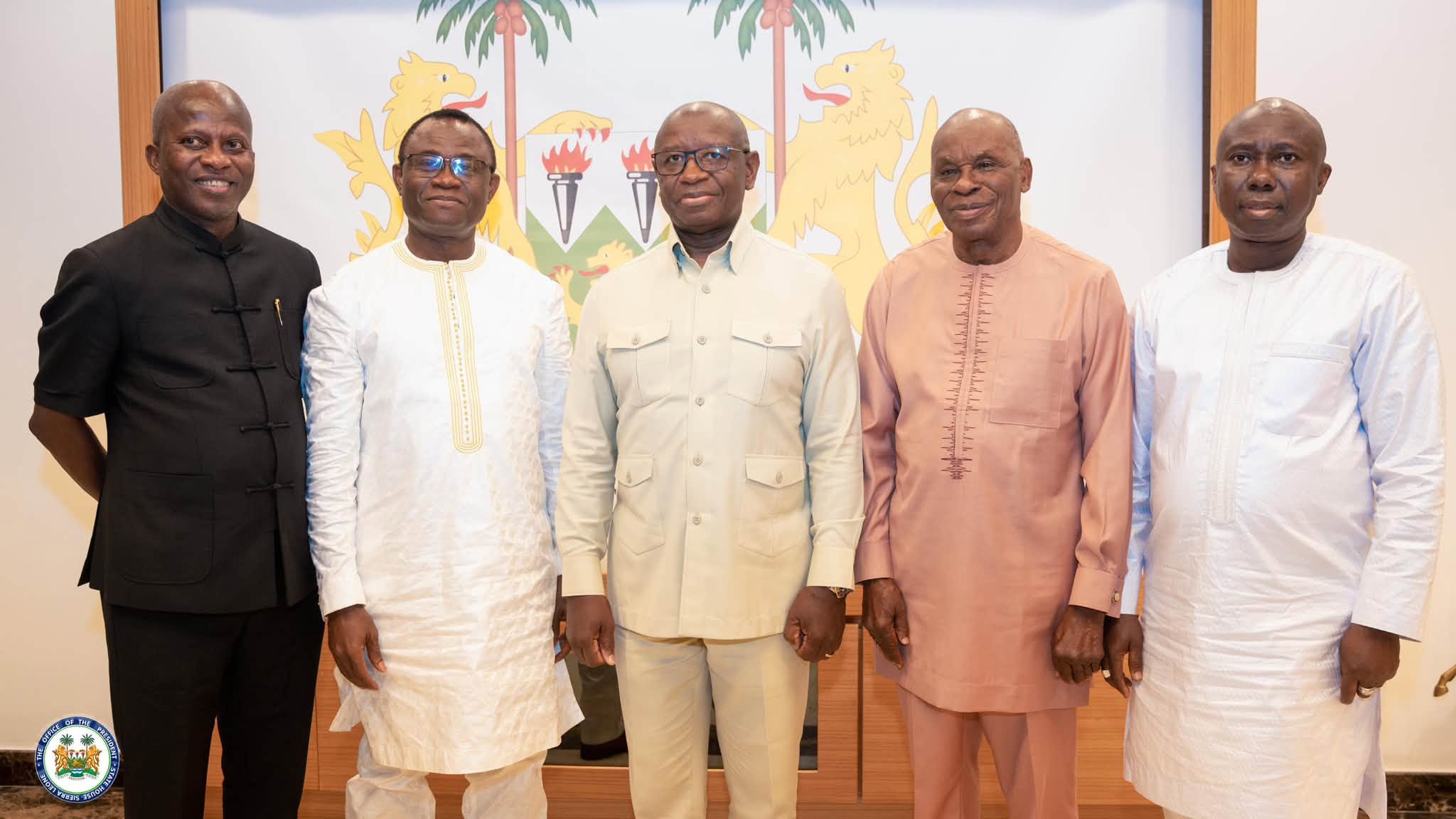
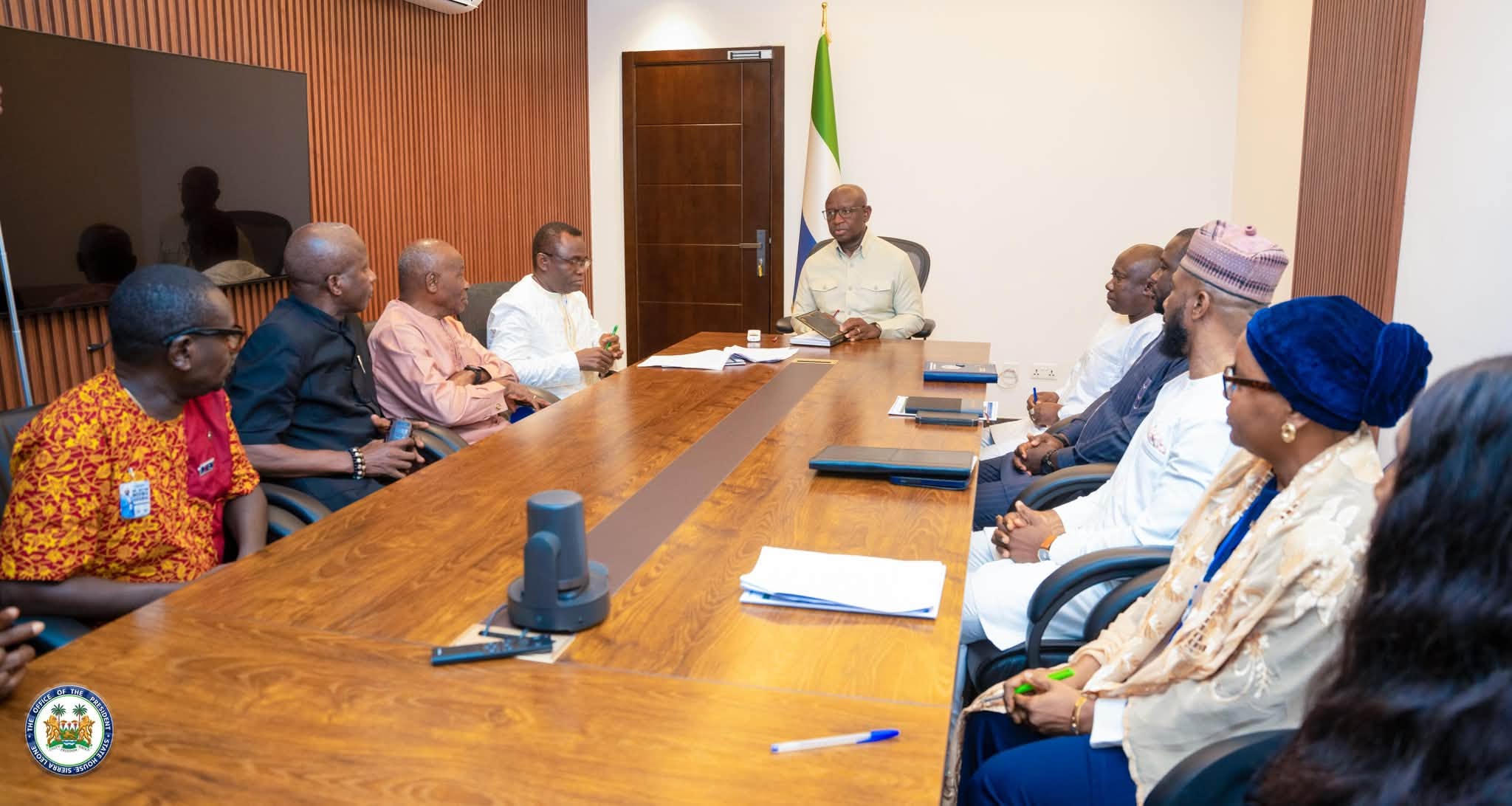
 President Julius Maada Bio has formally received the 2025 Annual Monitoring and Evaluation Report from Dr James Edwin, Director General of the National Monitoring and Evaluation Agency (NaMEA).
The report was presented to President Bio on Friday, September 4, 2026, with the President commending NaMEA’s Board and Management for their contribution to strengthening good governance and public-sector accountability.
President Bio urged the agency to intensify its monitoring and evaluation efforts to ensure that government programmes, projects and activities are effectively implemented and deliver their intended results.




The National Monitoring and Evaluation Agency was established to address a longstanding gap in Sierra Leone’s public administration by providing dedicated oversight of government programmes and projects.
With between 100 and 250 public projects reportedly launched and approved through the national budget each year, the agency was established to provide systematic monitoring and evaluation of their implementation.
NaMEA initially operated as a department under the Ministry of Planning and Economic Development before being transferred to the Office of the President, a move aimed at strengthening its oversight capacity.
Its mandate includes monitoring government projects, programmes and policies across Ministries, Departments and Agencies, assessing their performance and making recommendations to improve implementation.
The agency also examines whether projects are receiving their allocated resources and whether those resources are being effectively utilised.
NaMEA has placed emphasis on building monitoring capacity within government institutions.
Dr Edwin has previously outlined an approach under which the agency trains dedicated monitoring personnel within individual state institutions. These personnel are expected to collect relevant data and submit findings to NaMEA for assessment.
The agency is also expanding its use of technology through the National Monitoring and Evaluation Information System, a unified digital platform designed to allow authorised personnel to access project performance information remotely and in real time.
Although the system is still being rolled out, it forms part of efforts to modernise the way government projects are tracked and evaluated.
Beyond routine monitoring, NaMEA conducts specialised analytical studies aimed at identifying systemic challenges affecting project implementation, including funding gaps and policy misalignments.
The agency is also responsible for monitoring implementation of the National Development Plan 2024 to 2030 by tracking annual benchmarks and assessing progress against the plan’s objectives.
NaMEA’s monitoring responsibilities have continued to expand as the Government places greater emphasis on evidence-based planning and accountability.
In May 2026, NaMEA, with support from the United Nations Development Programme, held a validation workshop for ten Public Investment Projects Monitoring Reports covering projects across 16 districts.
At the workshop, Minister of Planning and Economic Development Kenyeh Barlay emphasised the importance of strengthening evidence-based governance and ensuring that public resources are properly accounted for.
NaMEA has also entered into Memoranda of Understanding with institutions including the Right to Access Information Commission and the National Commission for Social Action to strengthen collaboration in project monitoring and results-based implementation.
The agency currently monitors more than 200 ongoing projects across Sierra Leone, reflecting the scale of its oversight responsibilities.
The presentation of the 2025 Annual Monitoring and Evaluation Report comes as NaMEA continues to strengthen its role in assessing whether government investments are translating into measurable results.
President Bio’s call for intensified monitoring places renewed emphasis on implementation, resource utilisation and measurable outcomes across government programmes.
As the Government continues to implement its development priorities, NaMEA’s monitoring and evaluation function is expected to remain central to identifying implementation challenges, informing policy decisions and strengthening accountability in the use of public resources.