

 Post a comment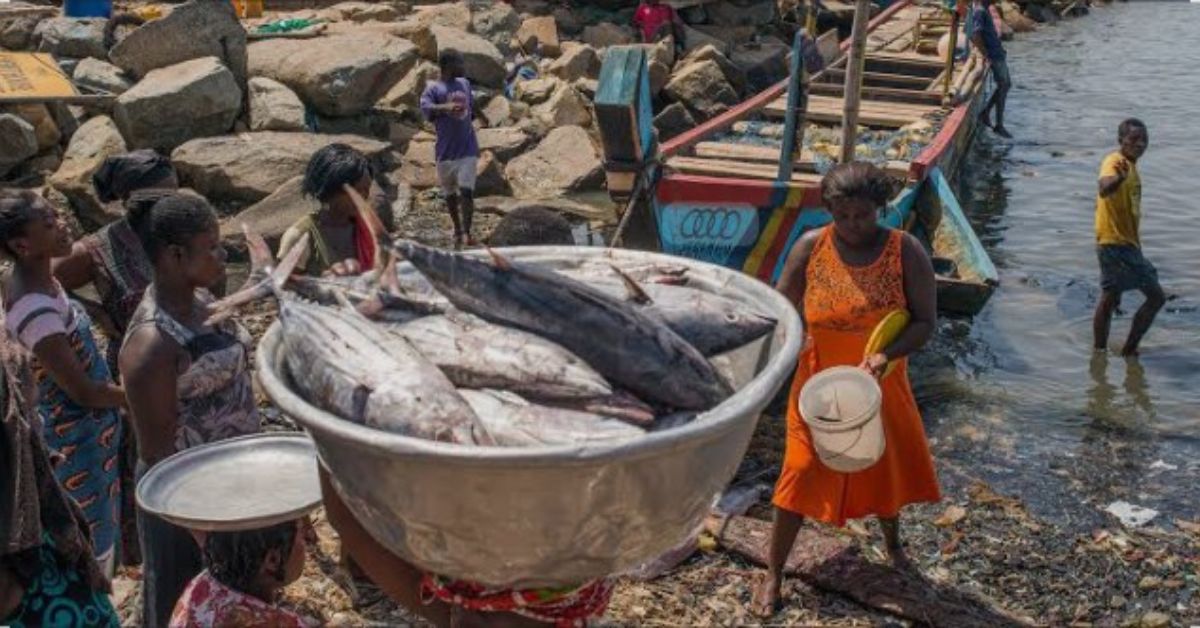
Fishmongers across Sierra Leone say the ongoing closed season for artisanal fishing has led to fish shortages and rising prices, placing additional strain on households during the holy month of Ramadan.
Three weeks into the ban, traders report a significant slowdown in business activity. With artisanal fishermen temporarily off the waters as part of conservation efforts, many fish sellers now depend on cold storage facilities for supply. However, they describe this option as costly and difficult to access.
Eleanor Bendu, a fishmonger in Jui, said the scarcity has made it challenging to maintain affordable prices. She noted that fish, a primary source of protein for many families, is now selling at rates that some customers cannot afford. According to her, other protein alternatives are also expensive, further limiting options for households observing Ramadan.
Zainab Sesay, another trader, explained that securing fish from cold storage units often requires arriving as early as 3 a.m., with no guarantee of adequate supply. Even when fish is available, she said, the high purchase price forces traders to pass on additional costs to customers, leading to complaints and reduced sales.
For some fishmongers, the financial pressure has become acute. Fatmata Koroma stated that not all traders have the capital to buy fish from cold rooms, making it difficult to sustain their businesses. She said the situation has affected her ability to support her family.
Adama Barrie, who has worked in the trade for over a decade, described the overlap between Ramadan and the closed fishing season as particularly challenging. She pointed out that fish remains one of the most widely consumed sources of protein in the country, regardless of income level. In addition to supply constraints, she cited rising fuel prices and transportation costs as factors contributing to higher retail prices.
The government’s annual closed season policy is designed to protect marine resources, allow fish stocks to regenerate, and promote long-term sustainability in the fisheries sector.
While the measure is widely recognized as important for conservation, traders and consumers say the timing has intensified economic pressures during a period when demand for food is typically high.
As the ban continues, fishmongers say they are navigating a delicate balance between covering rising costs and maintaining customer loyalty, while many households adjust to limited and more expensive food options during Ramadan.


