

 Post a comment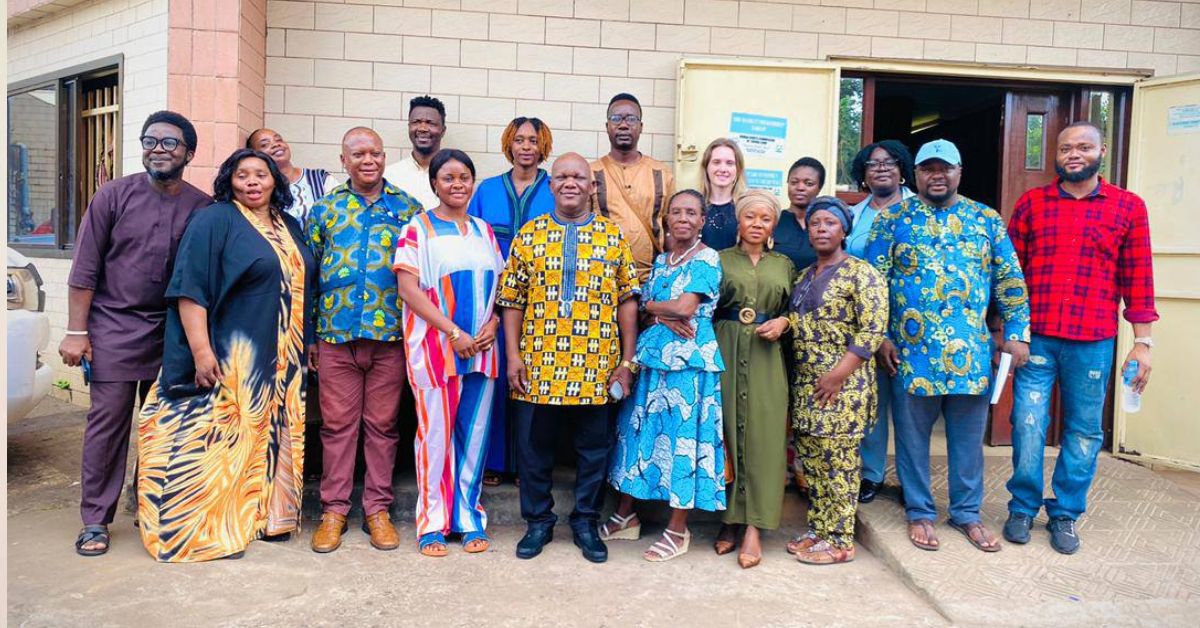
The Human Rights Commission of Sierra Leone (HRCSL), with support from Irish Aid, on Friday, March 13, 2026, validated a status report on the implementation of the Sexual Offences Act 2012 (Sierra Leone), highlighting progress made between 2020 and 2024.
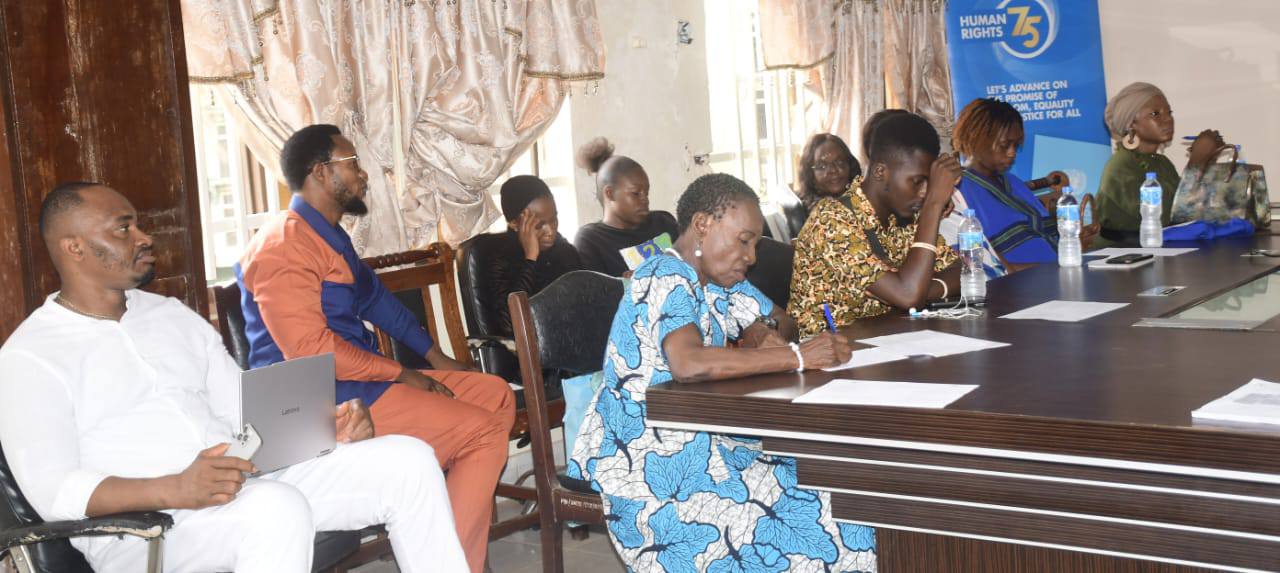
The validation exercise took place at the Commission’s headquarters at Tower Hill in Freetown, bringing together stakeholders from government institutions and civil society organisations.
Under the Sexual Offences (Amendment) Act 2019, HRCSL was mandated to collaborate with the Ministry of Gender and Children’s Affairs through the National Committee on Gender-Based Violence to monitor the implementation of the law and submit annual reports to Parliament in accordance with Section 45 of the Act.
The report documents government efforts to strengthen the judiciary and executive arms of government in enforcing the law and addressing sexual violence across the country during the review period.
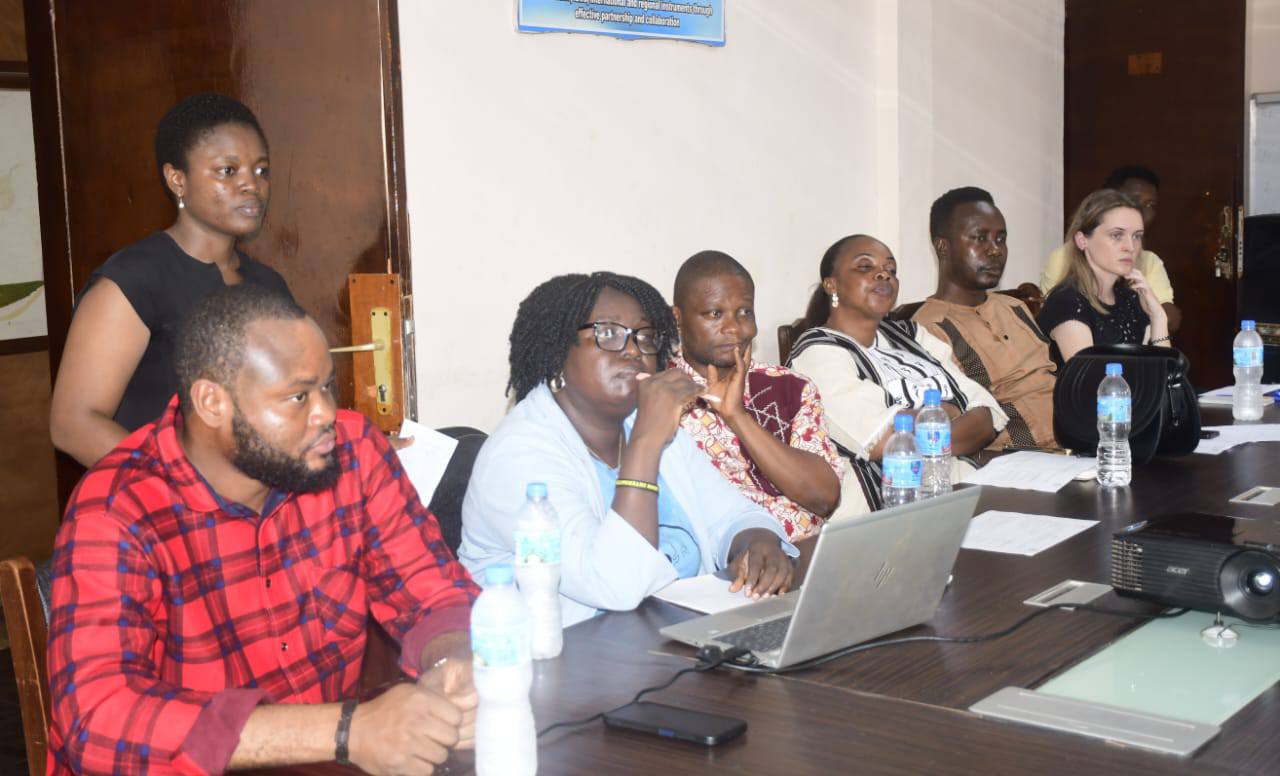
Representatives from institutions including the Rainbo Initiative, the Ministry of Social Welfare, the Family Support Unit, and the Aberdeen Women’s Center attended the validation meeting.
During the session, HRCSL Gender Expert Gloria Bayoh delivered a presentation outlining the scope, methodology, key findings and recommendations contained in the report.
In her remarks, the Chairperson of HRCSL, Patricia Narsu Ndanema, said the document reflects a collective effort by multiple institutions to address sexual violence in Sierra Leone.
She noted that the report builds on national efforts following the declaration by Julius Maada Bio on 7 February 2019, when rape was declared a national emergency due to the increasing number of sexual violence cases against women and girls.
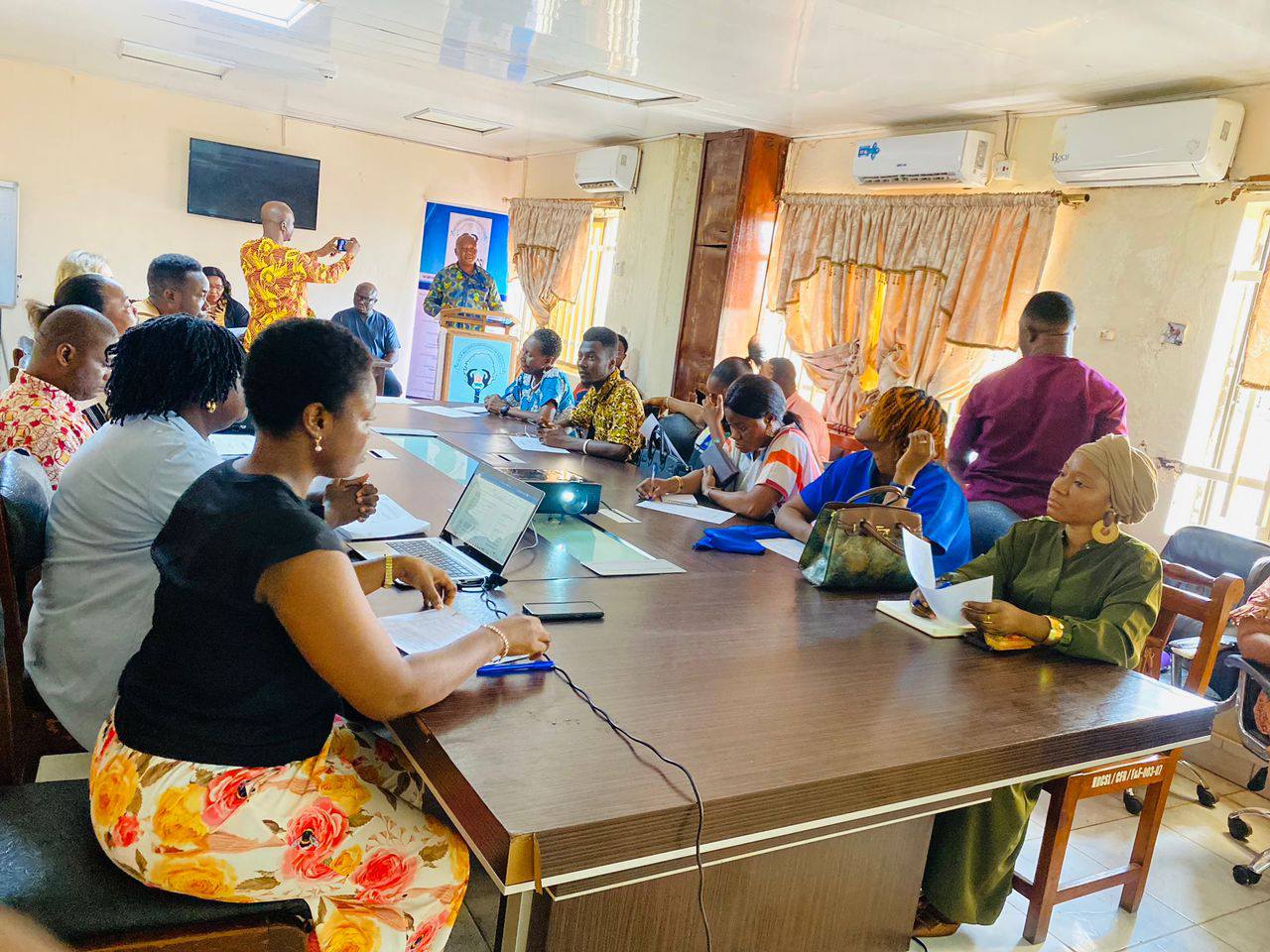
“Today, we are validating a report on the implementation of the SOAA, a mandate given to the Commission and the Ministry of Gender and Children’s Affairs as provided for in Section 45 of the SOAA 2019,” she stated.
Ndanema also emphasised the importance of a multi-sectoral approach in tackling sexual offences, noting that no single institution can effectively address the complexity of sexual violence.
She commended partners and stakeholders who contributed to the development of the report, particularly the Ministry of Gender and Children’s Affairs.
Speaking on behalf of the Ministry, Chief Director Charles Vandi described the validation as a historic milestone in ensuring compliance with laws aimed at protecting vulnerable persons, especially women and girls.
He further noted that the Sexual Offences legislation emerged as one of the key recommendations of the Truth and Reconciliation Commission Report (Sierra Leone), aimed at strengthening protection mechanisms against sexual and gender-based violence in the country.


