

How Jos Leijdekkers Allegedly Turned Sierra Leone Into a Cocaine Trafficking Hub – The Economist
 Tolulope Aina
 Sierra Leone has emerged as a major transit point in an expanding West African cocaine trafficking network allegedly controlled in part by Dutch drug trafficker Jos Leijdekkers, according to an investigation by The Economist.
Leijdekkers, also known as “Chubby Jos” and “Holly”, is one of the Netherlands’ most wanted criminals and is accused of operating a multinational cocaine trafficking network linking Latin America, Europe and the Middle East.
In its investigation published by 1843, The Economist reported that Leijdekkers arrived in Sierra Leone in late 2022 under the identity of a Turkish investor called Omar Sheriff.

According to the report, he quickly established a high-profile presence in Freetown, where he was reportedly seen driving a black Mercedes G-Wagon, visiting casinos and nightclubs, staying at the 2 Seasons Resort and meeting government officials.
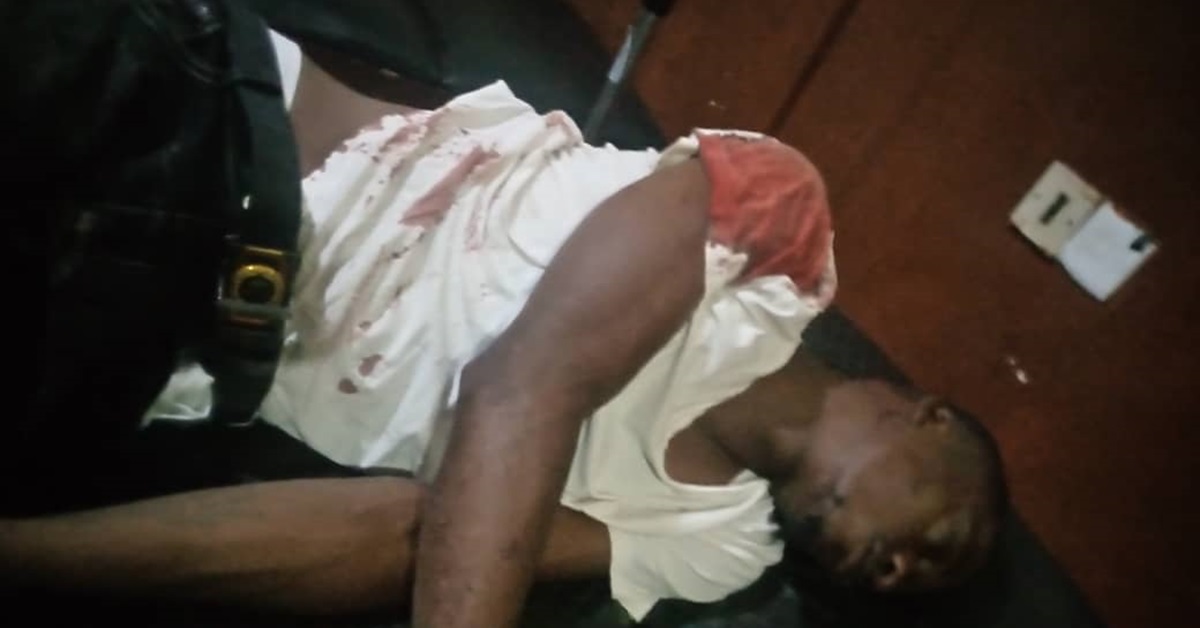
The report said his public profile changed after an incident at a Freetown nightclub on New Year’s Day 2023, when one of his bodyguards allegedly shot a young man, Hussein Fawaz, in the kneecap.
Hajj Fawaz, the victim’s uncle and a prominent businessman, told The Economist that efforts were made to confront the alleged attacker but Leijdekkers had already been moved from the location.
Identification as wanted Dutch criminal
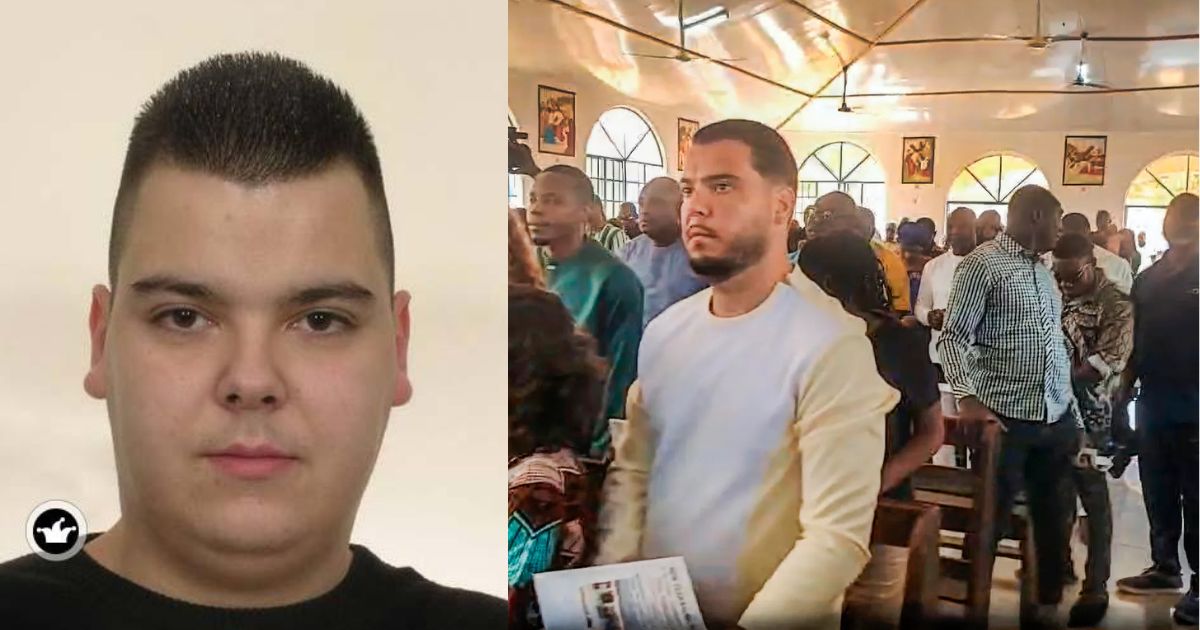
Two years later, Leijdekkers was reportedly identified in Sierra Leone after appearing at a Catholic church in Tihun, where he was seen sitting close to President Julius Maada Bio during a New Year’s Day mass in 2025.
The footage was reportedly sent to Dutch journalists, who identified the man as Leijdekkers.
Yelle Tieleman, an investigative journalist involved in reporting the discovery for Dutch newspaper Algemeen Dagblad, told The Economist that the identification was initially difficult to believe because Leijdekkers had apparently been living in Sierra Leone while remaining one of Europe’s most wanted criminals.
The report said Leijdekkers had previously built a reputation in the European drug trade, with cocaine consignments bearing his “Holly” name reportedly discovered in locations ranging from Ecuador to the North Sea.
The Economist estimated that his wider trafficking network generates more than $2 billion annually.
Sierra Leone’s alleged role in cocaine trade
The investigation described Sierra Leone as an increasingly important hub in the movement of Colombian cocaine towards Europe.
According to the report, cocaine trafficking through West Africa has grown significantly over the past two decades as criminal networks sought alternatives to traditional European entry points such as Rotterdam and Antwerp.
The Economist reported that as much as one-third of cocaine reaching Europe is now estimated to arrive through West Africa.
Sierra Leone’s geographical position between Guinea-Bissau and Côte d’Ivoire, its coastline, relatively weak economy and established commercial networks were identified as factors that could make the country attractive to international traffickers.
The report further alleged that Sierra Leone’s cocaine trade is equivalent to about one-quarter of the country’s annual gross domestic product.
It said the influx of criminal money could have significant consequences for a country where many people live on less than $3 a day and where state institutions have limited resources.
Alleged links to political and security structures
One of the most serious claims in the investigation is that Leijdekkers has developed relationships with sections of Sierra Leone’s political, security and business establishments.
The Economist alleged that he has funded parts of the state, including security and infrastructure projects, while also providing money and luxury vehicles to officials.
The report claimed that Leijdekkers renovated a gym at a military barracks shortly after arriving in Freetown and that he has provided financial support to individuals and communities in areas where he reportedly spends time.
It also alleged that he has been protected by security personnel and has travelled in convoys accompanied by members of the presidential guard.
The investigation further claimed that Leijdekkers is believed to possess a Sierra Leonean diplomatic passport.
However, The Economist said the Sierra Leonean presidency, police and armed forces did not respond to its requests for comment on the allegations contained in the investigation.
Alleged relationship with President Bio’s daughter
The investigation also reported an alleged personal relationship between Leijdekkers and Agnes Bio, a daughter of President Julius Maada Bio.
According to The Economist, Leijdekkers and Agnes Bio have a child together.
The report said Leijdekkers was filmed attending Mass at St Joseph’s Catholic Church in Tihun on New Year’s Day 2025, seated close to President Bio and listening to the sermon.
The newspaper said President Bio has not publicly acknowledged Leijdekkers’ presence in Sierra Leone.
Dutch authorities confirm his presence
According to the investigation, it took Dutch authorities about two years after Leijdekkers’ reported arrival in Sierra Leone to confirm that he was in the country.
In 2024, a member of his inner circle allegedly provided Dutch authorities with a disposable coffee cup from which Leijdekkers had drunk. DNA recovered from the cup was reportedly used to confirm his identity.
The Dutch government has since increased the reward for information leading to his capture to €200,000, according to the report.
Despite the reward, his exact whereabouts remain unknown.
The Economist said Leijdekkers is believed to move between heavily guarded properties around Freetown, making it difficult for authorities and journalists to establish his precise location.
Alleged gifts to officials
The investigation highlighted an alleged encounter involving Alusine Kanneh, Sierra Leone’s former chief immigration officer.
According to The Economist, Leijdekkers was photographed at a rooftop restaurant in Freetown in March 2025 wearing a Versace shirt and allegedly giving Kanneh a Rolex watch.
The report also claimed that Kanneh had purchased three properties in the United States worth a combined $1.9 million during Leijdekkers’ first two years in Sierra Leone and was later dismissed from his position.
Kanneh denied having any association with Leijdekkers when contacted by The Economist and disputed the implication surrounding the alleged gift and property purchases.
Community donations and local influence
Beyond Freetown, the investigation described Leijdekkers as having developed a reputation among some communities as a wealthy benefactor.
In Tokeh, a coastal community near Freetown, residents reportedly described him as a local “Robin Hood”.
A fisherman interviewed by The Economist claimed that Leijdekkers paid school fees, provided exercise books for children and distributed rice and money to families during Ramadan.
The report said some residents knew him by the name “Jagaban”, a Yoruba term associated with a wealthy or powerful chief.
A former employee at the 2 Seasons Resort also told the publication that Leijdekkers had arrived at the resort in December 2022 claiming to be Turkish and accompanied by bodyguards from Ghana and South Africa.
The employee said he owned several phones and vehicles and regularly hosted politicians and other influential figures.
Growing concern over narco-trafficking
The investigation comes amid growing concerns about the use of West Africa as a transit route for cocaine destined for Europe.
The Economist reported that cocaine seizures at Rotterdam, once one of the principal entry points for the European market, fell sharply from about 70 tonnes in 2021 to 12 tonnes in 2025, even as cocaine production in Colombia remained at historically high levels.
The publication said the decline in seizures did not necessarily mean that less cocaine was reaching Europe.
Instead, it linked the trend to the expansion of alternative trafficking routes, particularly through West Africa.
The investigation described Sierra Leone as particularly vulnerable because of its economic challenges, its coastline and the legacy of the country’s civil war.
It argued that the scale of alleged drug money entering the economy could affect politics, property, banking, security and legitimate investment.
Questions over state protection
The report also described an atmosphere of fear surrounding investigations into Leijdekkers’ activities in Sierra Leone.
Dutch journalist Sophie van Leeuwen reportedly told The Economist that she felt she was being followed by security personnel while investigating Leijdekkers in 2025.
According to the report, she was arrested outside a property where Leijdekkers was believed to have lived and questioned for about 15 hours. Her camera and computer were reportedly searched.
The Economist said several people it interviewed were reluctant to discuss Leijdekkers openly because of concerns about possible repercussions.
The publication also reported that officials and political figures it contacted either declined to discuss Leijdekkers or did not respond.
The allegations in the investigation have not been publicly substantiated in court, and the Sierra Leonean authorities have not, according to The Economist, responded to the publication’s questions about the claims involving government, military and police officials.
For now, the whereabouts of Leijdekkers remain unknown, while Dutch authorities continue to seek information leading to his arrest.
The Economist investigation raises broader questions about the growing role of West Africa in the international cocaine trade and the ability of countries with fragile institutions and limited resources to prevent proceeds from organised crime from penetrating their political and economic systems.