

President Bio Puts Women, Youth at Heart of Constitutional Reform Debate Ahead of Final Vote
 Sahid Bangura
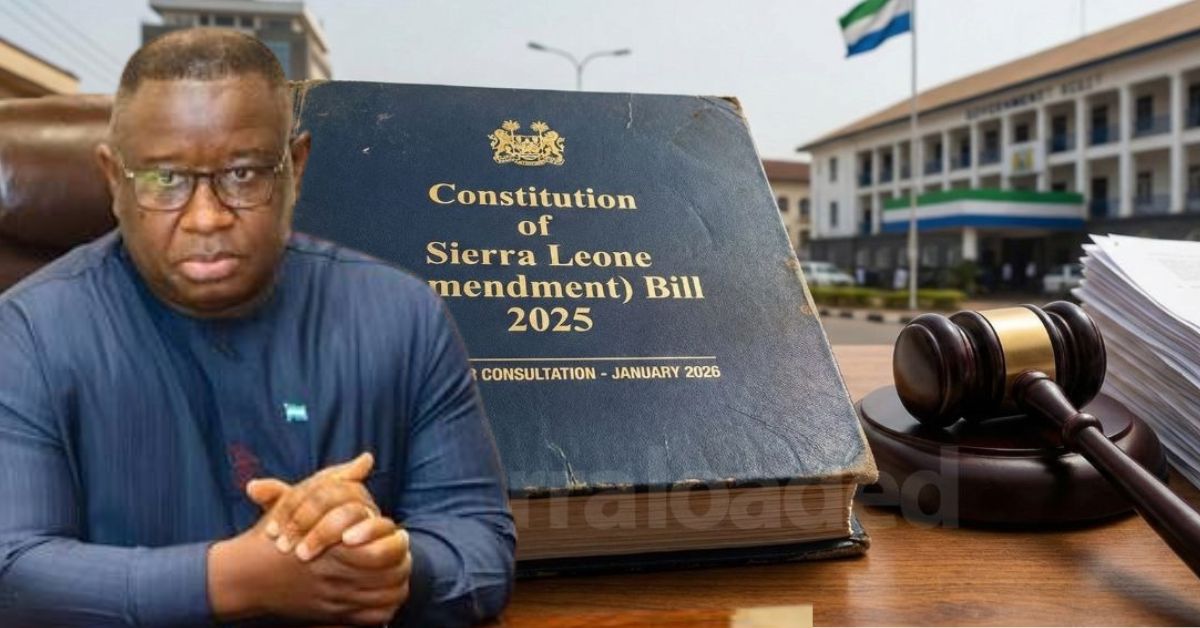
 President Julius Maada Bio has placed women and young people at the centre of Sierra Leone’s constitutional reform debate, urging Parliament to approve amendments he says could fundamentally change who gets the opportunity to participate in political leadership.
In his national address on Sunday, August 9, 2026, President Bio highlighted proposed provisions for proportional representation and a minimum 30 percent quota for women in political nominations, presenting them as key measures for creating a more inclusive political system.
The President said the reforms could open the political space to groups that have historically struggled to secure adequate representation, including women, young people, professionals and minority communities.

At the heart of the proposal is the question of whether Sierra Leone’s political institutions adequately reflect the population they are meant to represent.
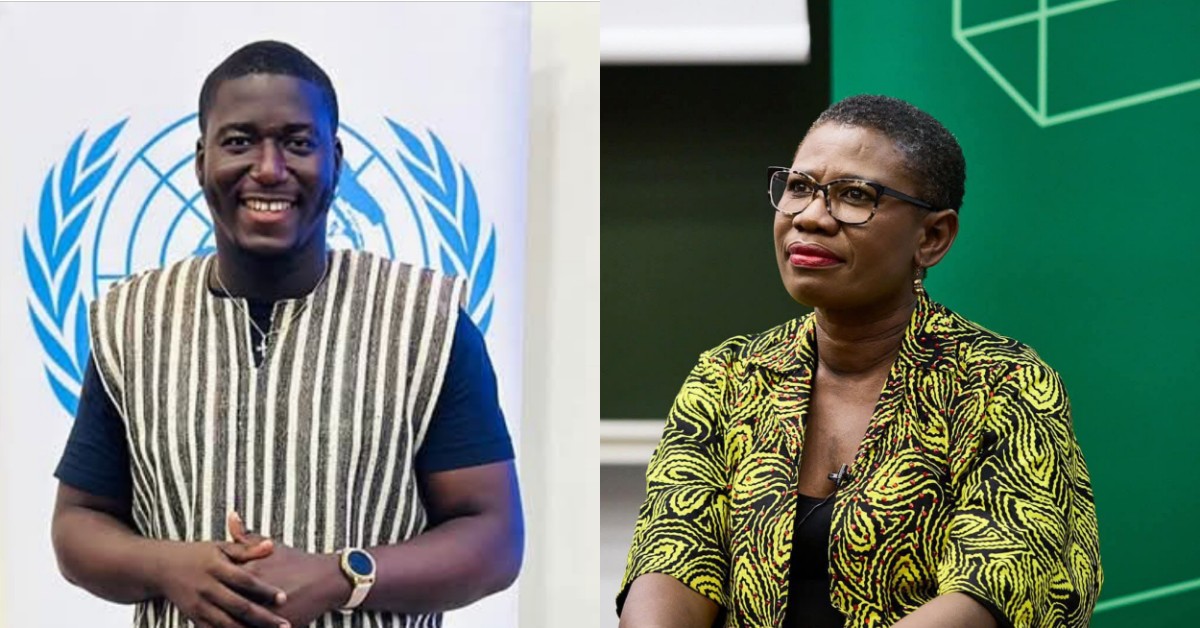
President Bio said the proposed 30 percent women’s quota would move gender inclusion beyond political promises and establish it as a constitutional commitment.
“It enshrines a minimum 30% quota for women in political nominations, transforming inclusion from a statement of aspiration into an enforceable constitutional commitment,” he said.
The proposal could become one of the most closely watched aspects of the constitutional amendments, particularly as Sierra Leone continues to debate the role of women in political leadership and decision-making.
President Bio also promoted proportional representation as a mechanism for broadening political participation.
He argued that the proposed system would give women, young people, professionals and minority groups a fairer opportunity to gain representation in political institutions.
But the President’s argument also opens a wider public conversation about representation: Will constitutional quotas and changes to the electoral system genuinely translate into greater political power for women and young people, or will deeper political and institutional barriers remain?
President Bio urged MPs to think beyond the immediate political environment and consider the generation that will inherit the country’s constitutional framework.
He specifically asked lawmakers to remember women who have waited for greater representation and young people seeking a meaningful role in determining their future.
“Your decision will influence whether our daughters will inherit a constitution that recognizes their equal right to lead, whether our young people are given a meaningful voice in shaping their future,” he said.
The President framed the proposed reforms as part of a constitutional process that began more than two decades ago and has involved successive governments, constitutional review bodies, civil society organizations and citizens across the country.
He said his administration had continued the work of previous governments rather than starting the process again.
As Parliament considers the Bill, however, the proposed reforms have the potential to generate a much broader national debate about political representation, merit, quotas, party nominations and the actual pathways through which Sierra Leoneans enter public office.
For supporters, the proposed provisions could represent a significant step towards correcting longstanding inequalities in political representation.
For critics, the debate may centre on whether constitutional quotas and proportional representation are the most effective mechanisms for achieving genuine political inclusion.
President Bio has made his position clear: Parliament should support the reforms and create what he described as a stronger and more inclusive democracy.
The final parliamentary decision will determine whether those proposals become part of Sierra Leone’s constitutional framework – and could shape the country’s political representation for years to come.