

Sierra Leone Takes Centre Stage in Global Fight Against Misinformation
 Sahid Bangura
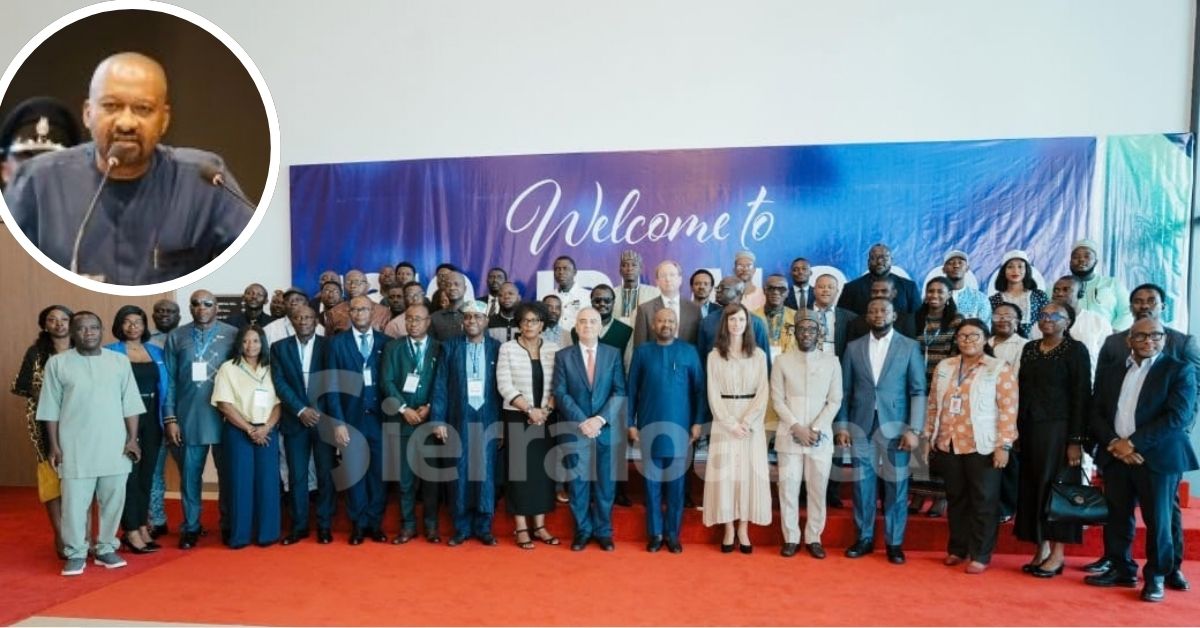
 Sierra Leone has brought together information commissioners, access-to-information regulators and other international stakeholders for a major global conference aimed at strengthening information integrity and developing coordinated responses to the growing threat of misinformation and disinformation.
The 17th International Conference of Information Commissioners (ICIC), held alongside UNESCO’s Global Conference marking the International Day for Universal Access to Information, opened on Monday, September 28, 2026, at the Julius Maada Bio International Conference Centre in Lungi, Freetown.
The three-day conference is being hosted by Sierra Leone’s Right to Access Information Commission (RAIC) in collaboration with the Government of Sierra Leone, the International Conference of Information Commissioners and UNESCO. It is the first time the ICIC conference has been convened in West Africa.

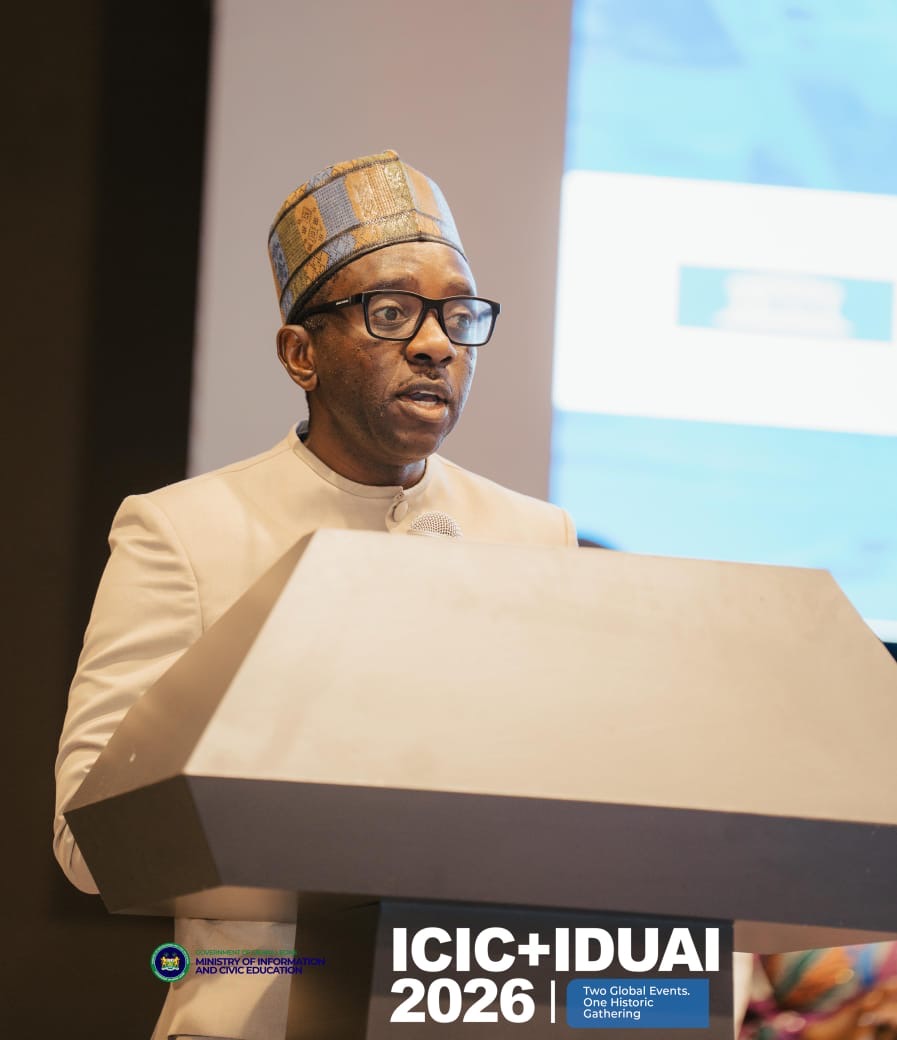

Opening the conference, ICIC Chair and Albania’s Information Commissioner, Besnik Dervishi, called for stronger international cooperation to address information disorder, warning that rapid technological developments and the spread of unreliable information are creating challenges for open governance and public trust.
Dervishi said Sierra Leone’s hosting of the conference provided an important platform for global stakeholders to examine how access to timely and credible information can strengthen democratic participation and accountability.
He stressed that access to information goes beyond the existence of statutory rights, arguing that citizens must also have access to reliable information that enables them to participate meaningfully in public affairs and hold institutions accountable.
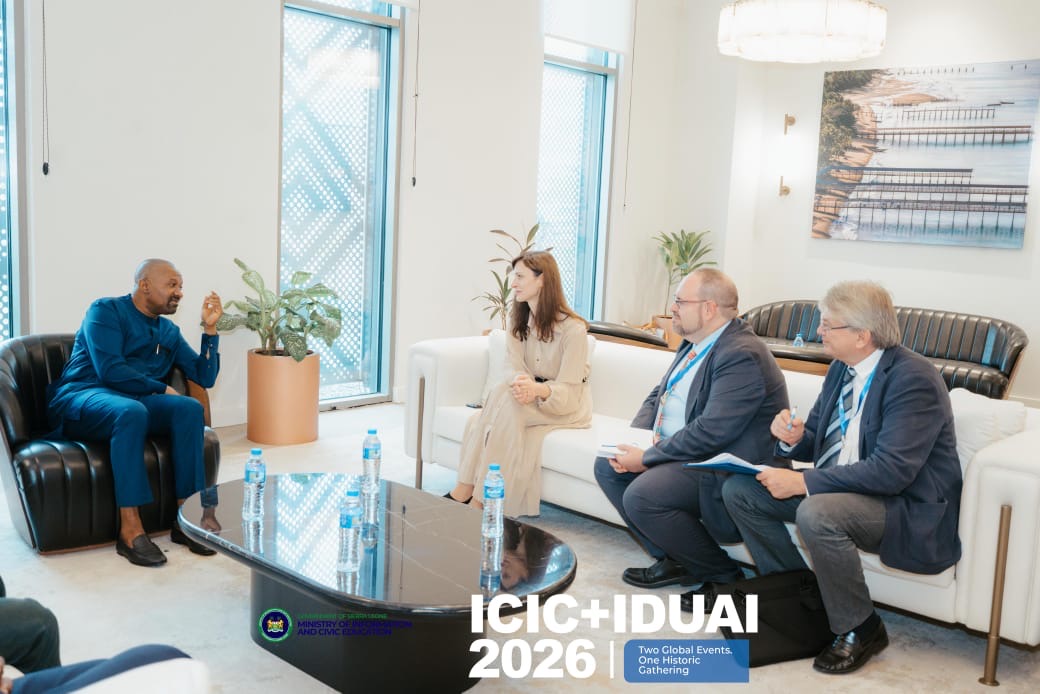
Dervishi also pointed to the growing influence of artificial intelligence and digital platforms, noting that technological advances can make it increasingly difficult for citizens to distinguish authentic information from fabricated or manipulated content.
He warned that when public institutions fail to provide timely and reliable information, the resulting information gap can be exploited by actors seeking to spread speculation and disinformation.
The ICIC Chair therefore called for information regulators to move beyond isolated national responses and strengthen cooperation across jurisdictions, stressing that information disorder can cross national borders rapidly.
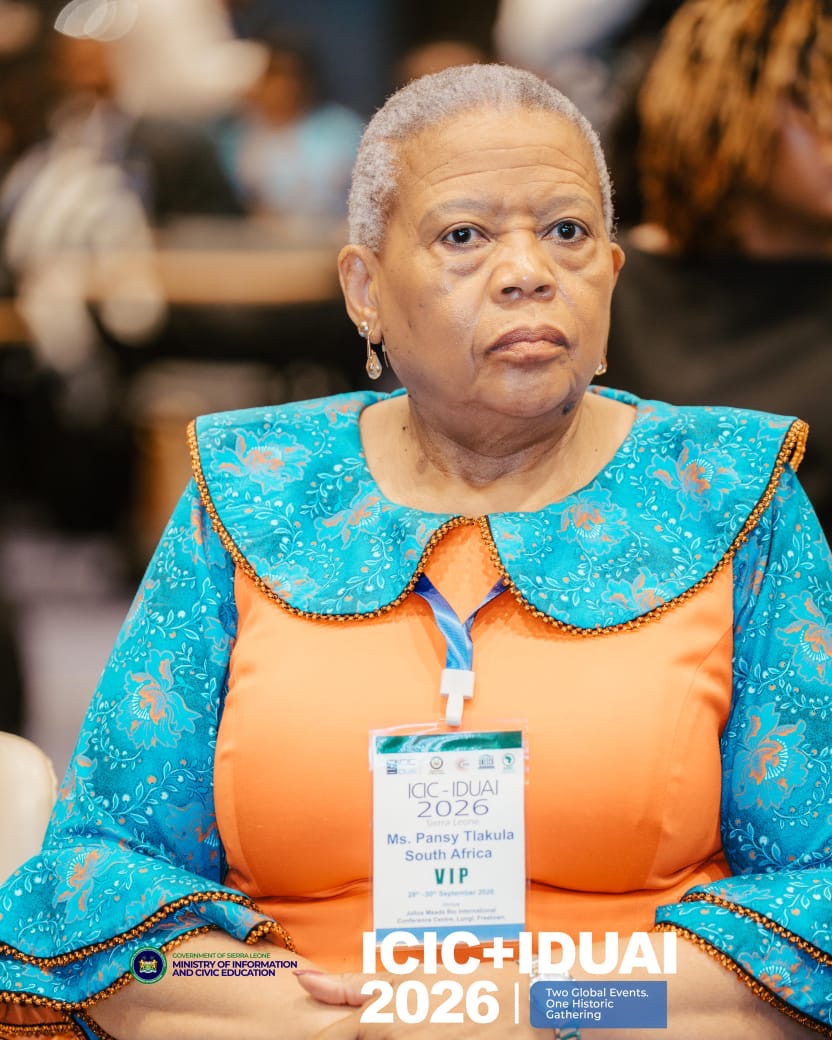
He also urged member institutions to establish stronger year-round technical cooperation rather than relying primarily on annual conferences, arguing that sustained collaboration would help regulators respond more effectively to emerging information challenges.
A Memorandum of Understanding between the ICIC and UNESCO was also scheduled for signing during the conference, providing a framework for closer cooperation between international standard-setting and national implementation.
The conference is being held under the theme, “Upholding Information Integrity in the Digital Age: The Role of Access to Information in Addressing Information Disorder.” Discussions are focused on timely and reliable public information, transparency, information integrity, digital technologies and measures to address misinformation and disinformation.
Sierra Leone’s Information Commissioner and RAIC Chairman, Dr Ibrahim Seaga Shaw, welcomed delegates to the conference, describing the gathering as an opportunity to advance practical solutions to information disorder and strengthen international cooperation on the right to access credible and timely information.
The conference brings together international information commissioners, government representatives, civil society organisations, development partners, media practitioners and other stakeholders for high-level discussions, technical sessions and regional engagements.
The programme is expected to culminate in the adoption of the Freetown ICIC/IDUAI Joint Declaration on Access to Information as a Pillar of Information Integrity, with participating institutions expected to take the outcomes forward within their respective jurisdictions.