

Sierra Leone Harvests Rice in July in Major Food Security Breakthrough
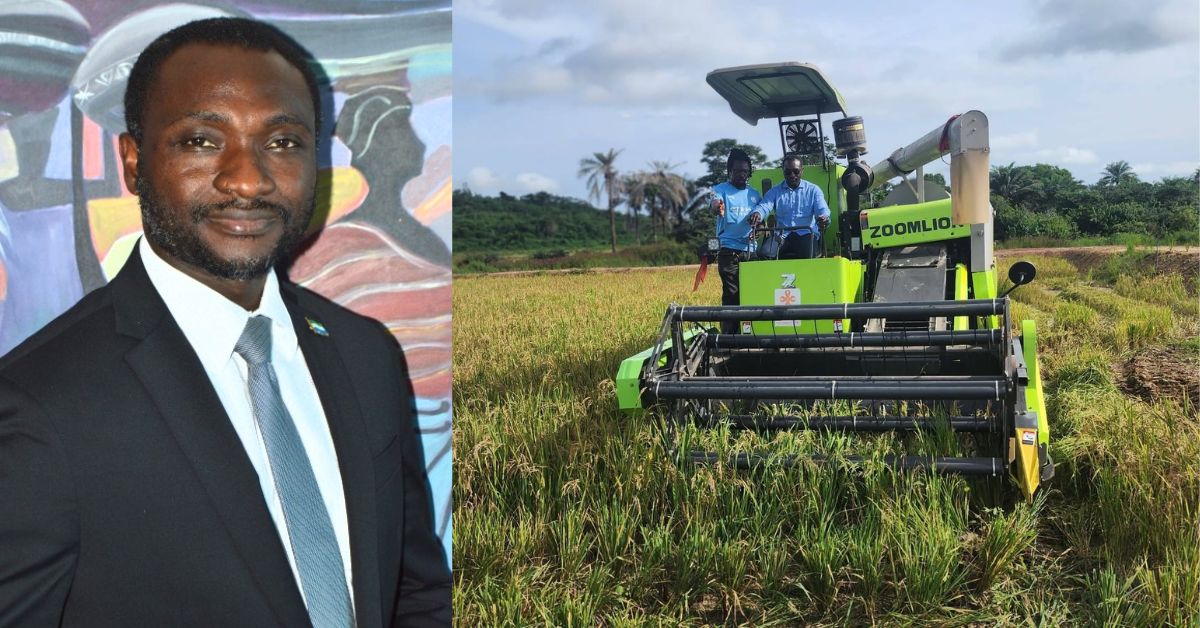
 Kanja Sesay
 Sierra Leone has recorded a significant milestone in its agricultural sector, as the country successfully harvested rice in July, underscoring progress toward year-round food production and improved food security.
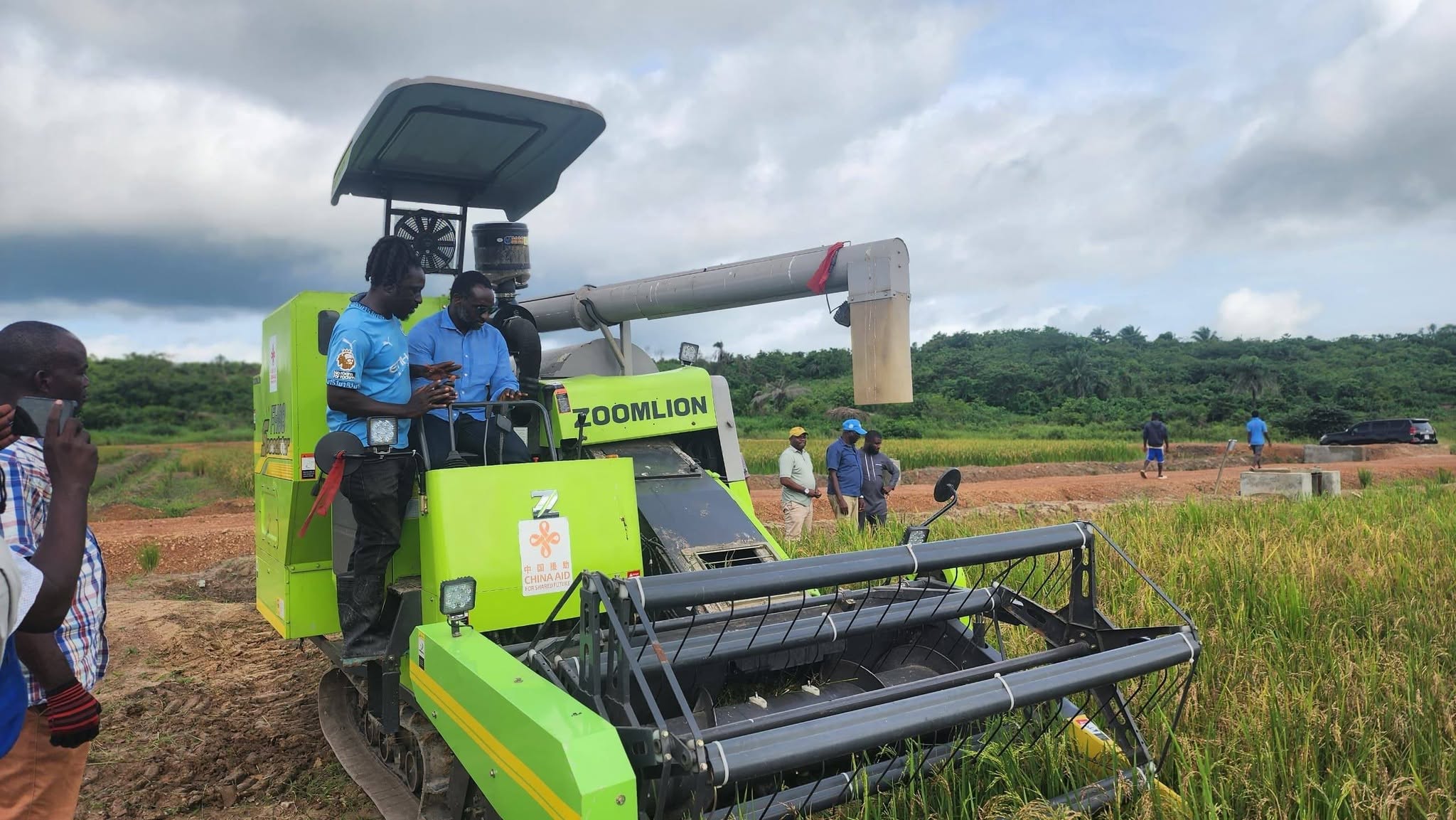
The symbolic harvest was led by the Minister of Agriculture, Dr Henry Musa Kpaka, at a seed multiplication site in Kori Chiefdom, Moyamba District, where improved rice varieties are being cultivated under irrigation.


The development highlights the growing impact of irrigation in transforming traditional farming cycles, demonstrating that rice cultivation in Sierra Leone is no longer limited to seasonal rainfall. “Today we are harvesting rice in July, demonstrating that with irrigation, rice can be cultivated all year round,” Dr Kpaka stated during the exercise.

The seeds being multiplied at the site were developed by the Sierra Leone Agricultural Research Institute (SLARI) with support from the Food Systems Resilience Program (FSRP). Currently, Smart Farms is multiplying five out of the fourteen improved rice varieties launched last year by President Julius Maada Bio as part of efforts to modernise agriculture.
These improved varieties are reported to yield between six and eight metric tons per hectare, significantly higher than traditional yields, while also being well adapted to Sierra Leone’s climate conditions. The initiative reflects a broader push to ensure farmers have access to high-quality seeds capable of boosting productivity and reducing reliance on imports.
Njala University Vice-Chancellor, Professor Bashiru Mohamed Koroma, described the site as a critical learning and demonstration hub, noting that the success of the project has encouraged the university to expand its own efforts in multiplying improved crop varieties. He also commended the government for sustained investment in agricultural research and development.
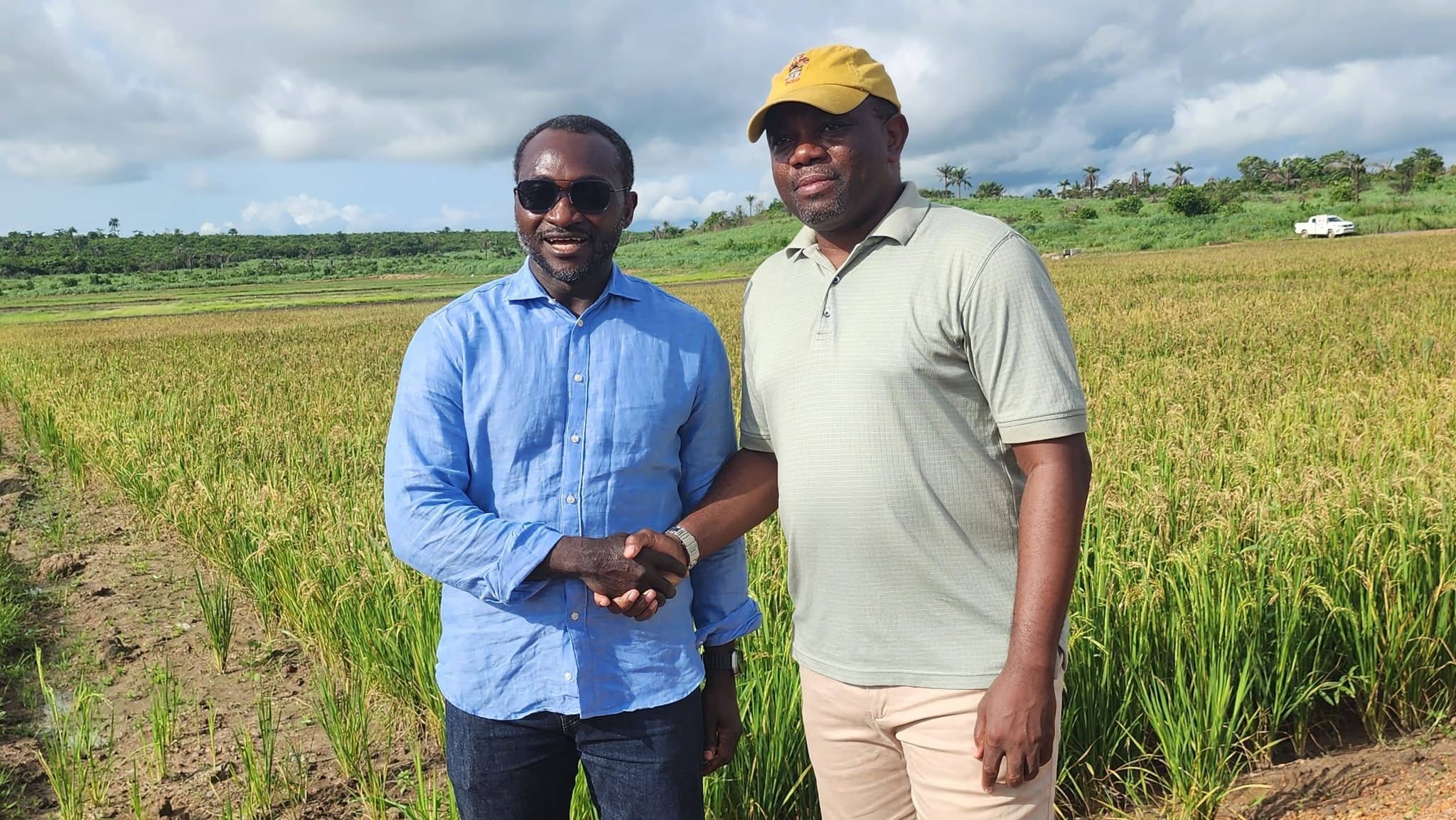
In support of the local community, Smart Farms CEO Mustapha Katia donated 75 bags of 50kg rice to residents of Njala, a gesture aimed at easing food challenges during the off-season. He emphasised the importance of community collaboration in advancing the government’s Feed Salone initiative.
Local stakeholders in Kori Chiefdom expressed appreciation to the government for prioritising the district as a key agricultural production hub, noting that such initiatives are already beginning to create tangible benefits for farmers and residents.
The July harvest represents a practical demonstration of Sierra Leone’s agricultural transformation agenda, signalling a shift toward sustainable, climate-resilient farming systems capable of ensuring food availability throughout the year.