

Sierra Leone to Introduce Free Hepatitis B Vaccine for Newborns
 Osman Tolo Sesay
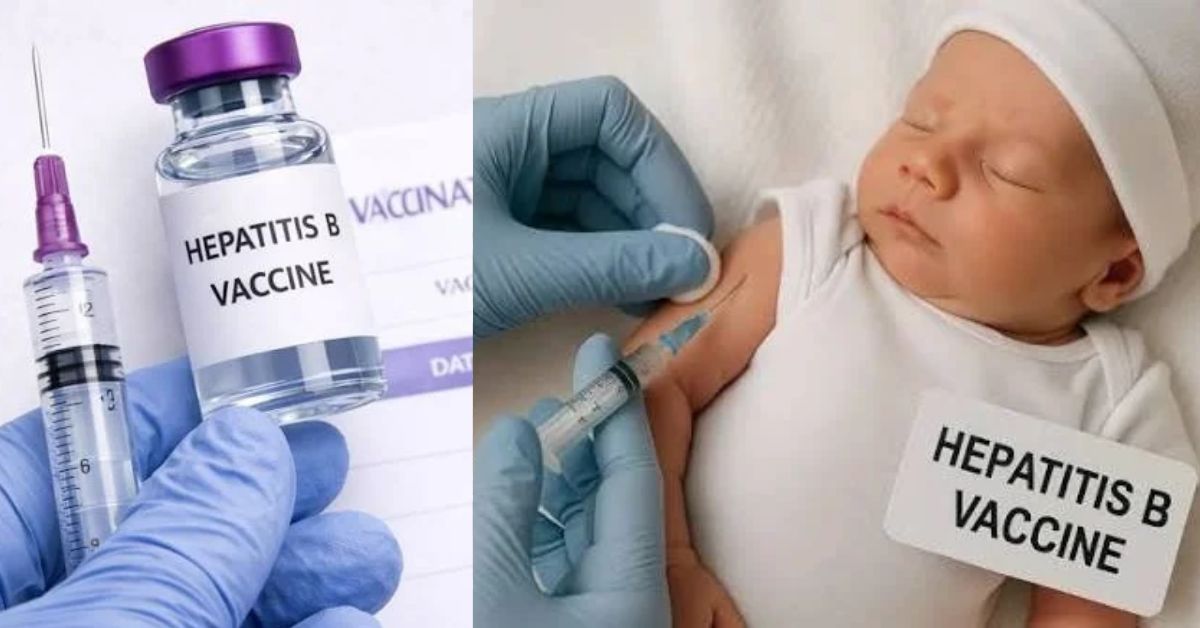
Sierra Leone will begin administering free hepatitis B vaccines to newborns within 24 hours of birth on November 20, 2026, in a nationwide effort to prevent early infections and reduce mother-to-child transmission.
The vaccine will be incorporated into the country’s routine immunisation programme and made available at government health facilities across all 16 districts, the Ministry of Health announced Wednesday, November 18, during a media engagement in Freetown.
The engagement brought together government officials, representatives of the World Health Organisation (WHO), UNICEF, Gavi, civil society organisations and journalists to discuss preparations for the rollout.

Deputy Minister of Health Professor Charles Senesie said the initiative was necessary to address Sierra Leone’s high hepatitis B burden and protect children from an infection that can cause severe liver complications later in life.


According to a Ministry of Health media brief, hepatitis B prevalence in Sierra Leone stands at 13.8%, representing approximately 1.1 million people living with the virus.
The brief identified people aged 30 to 44 as the most affected age group, with a positivity rate of 16.6%. It also indicated that five of the country’s 16 districts account for approximately half of the reported disease burden.
Hepatitis B is a viral infection that attacks the liver and can lead to cirrhosis, liver failure and liver cancer. Health officials warned that infants face a particularly high risk of developing chronic infection when exposed to the virus early in life.
The ministry’s media brief estimates that up to 90% of babies infected during their first year develop chronic hepatitis B.
Senesie confirmed that the government had scheduled the official introduction of the vaccine for November 20, describing early immunisation as an important measure to protect newborns.
Dr Thompson Igbu, WHO Sierra Leone’s Expanded Programme on Immunisation lead, said administering the vaccine shortly after delivery would significantly strengthen efforts to prevent infections passed from mothers to their babies.
He emphasised that the first 24 hours after birth are critical for vaccination and highlighted the need to integrate immunisation into maternal and newborn healthcare services.
WHO said it would continue assisting the Ministry of Health through technical support, healthcare worker training, monitoring and policy development.
UNICEF Deputy Representative in Sierra Leone Liv Elin Indreiten also welcomed the initiative, noting that newborns need protection against hepatitis B from the earliest stages of life.
She said UNICEF was supporting the government with vaccine procurement, supply-chain management, cold-chain infrastructure and public awareness activities.
Indreiten urged journalists to help address misinformation and provide parents with accurate information about the vaccine, while encouraging families to complete their children’s routine immunization schedules.
Gavi Senior Country Manager Macia Palking also reaffirmed the importance of the intervention in strengthening Sierra Leone’s efforts to prevent hepatitis B among children.
According to figures presented by Senesie, Gavi is contributing more than $240,000 toward vaccine procurement, while the government is providing approximately $60,000, in addition to staffing and infrastructure support.
Sierra Leone records approximately 400,000 births annually, with the programme expected to reach about 360,000 newborns, the deputy minister said.
The Ministry of Health said every newborn will qualify for the single-dose hepatitis B vaccine, including premature babies and those with low birth weight.
The vaccine should ideally be administered within 24 hours of delivery. However, babies who miss that window should receive it as soon as possible, preferably within 72 hours.
Parents whose children are delivered at home have been encouraged to visit the nearest government health facility immediately to access the vaccine.
The birth dose will be administered alongside other routine newborn vaccines, including Bacille Calmette-Guérin (BCG) and the oral polio vaccine.
Sierra Leone has included hepatitis B-containing vaccines in its childhood immunisation programme since 2007. However, the existing schedule begins when babies reach six weeks, followed by additional doses at 10 and 14 weeks.
The new intervention will close the gap between birth and the first routine hepatitis B-containing vaccine, providing earlier protection against infections acquired during childbirth.
The ministry said the hepatitis B birth-dose vaccine is recommended by WHO and approved by the Pharmacy Board of Sierra Leone and the Ministry of Health.
According to the media brief, the vaccine has a long record of safe use in other countries, with most babies experiencing no adverse reactions.
Possible mild side effects include pain or redness around the injection site and a slight fever.
Parents and caregivers have been advised to report suspected adverse reactions to the nearest health facility or contact the national health emergency number, 117.
The ministry also clarified that the vaccine prevents hepatitis B infection but cannot cure individuals who are already infected.
Preparations for the national rollout have included community sensitisation, training for healthcare workers and improvements to vaccination services at maternity facilities.
The government is also preparing major maternity hospitals, including the Princess Christian Maternity Hospital in Freetown, to administer the vaccine immediately after delivery.
The ministry has engaged mobile network operators to circulate public information through text messages.
It also said awareness materials were developed in consultation with community leaders and tested in communities including Kroo Bay, King Harman Road and Ross Road.
Health officials urged parents to retain their children’s immunisation cards and ensure they receive all recommended childhood vaccinations.
The November 20 introduction is expected to strengthen Sierra Leone’s routine immunisation programme and reduce the risk of hepatitis B-related complications, including liver cancer, among future generations.