
Dr. Ibrahim Bangura Unveils “Heal, Unite, Build” Vision with Youth, Women at the Core
 Alusine Ahmed Kargbo
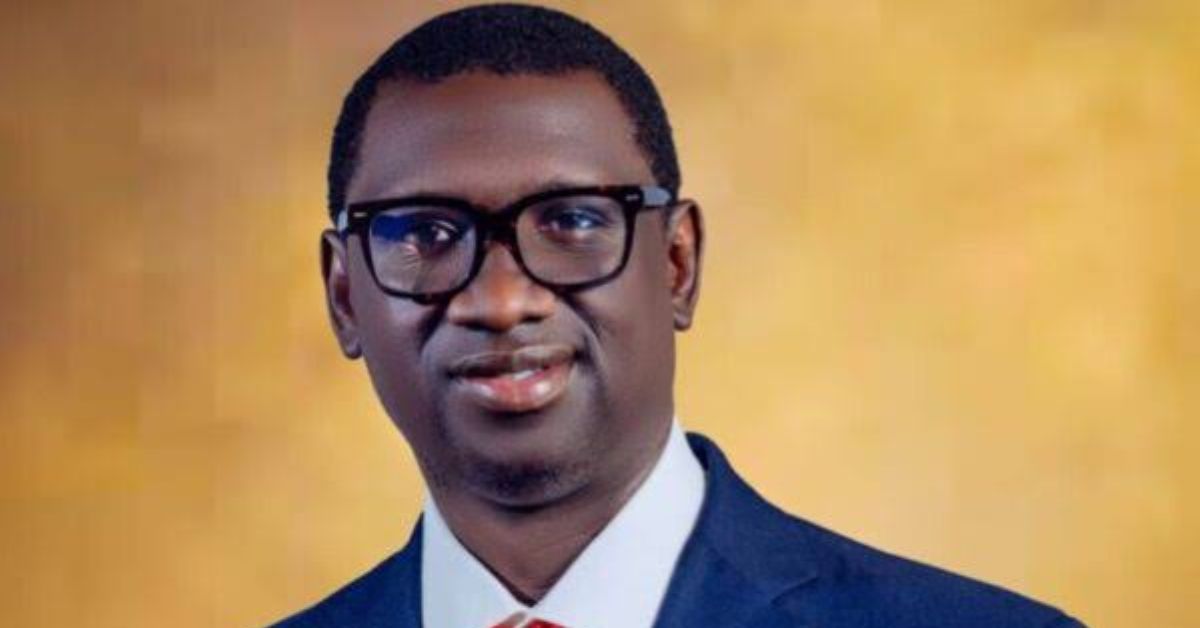
 Dr Ibrahim Bangura is making youth inclusion, women’s participation and political reconciliation central to his bid for influence ahead of Sierra Leone’s 2028 elections.
Bangura, an All People’s Congress flagbearer aspirant and leader of the Dr Ibrahim Bangura Movement, outlined the priorities during engagements with supporters in Kailahun, Kono and Kenema districts, according to his movement.
His message comes as Sierra Leone’s young population represents a major political constituency. UNFPA Sierra Leone said in July that about 60% of the country’s population is younger than 25, making young people a major factor in the country’s social and economic future.

Bangura said a government under his leadership would give young people and women greater influence over policy, employment opportunities and national decision-making. His movement’s published platform also specifically calls for women and young people to have a stronger voice and role in political leadership.
The pledge marks a different emphasis from the claim in the original account that women remain below 15% of Parliament. That figure is outdated. Women currently hold 42 of Parliament’s 149 seats, or 28.2%, according to the Inter-Parliamentary Union.
The increase followed the 2023 elections and the implementation of gender-related electoral measures. The IPU reported that women won 41 of the 135 directly elected parliamentary seats, while one woman was indirectly elected among the Paramount Chiefs, bringing women’s representation in the full 149-member Parliament to 28.2%.
Bangura’s campaign therefore enters a political environment in which gender representation has already expanded significantly, although his proposed administration would face the question of how to translate broader representation into employment, policy influence and decision-making.
His movement frames the agenda through three themes: “Heal, Unite and Build.” Its official platform defines “Heal” around reconciliation, “Unite” around bringing different groups into a common political purpose, and “Build” around strengthening the APC and pursuing national development.
During the eastern district engagements, Bangura also urged supporters to expand the movement’s structures and voter outreach. He called for discipline and a campaign focused on policies and vision rather than personal attacks, according to the account provided by his movement.
Electoral figures underline the importance of the three districts, but the claim that they contain more than 800,000 registered voters is not supported by the ECSL figures reviewed for this report. An ECSL voter-registration document recorded 193,578 registered voters in Kailahun, 317,978 in Kenema and 174,205 in Kono — a combined 685,761.
ECSL’s current constituency information also lists 165,753 voters in Kailahun, 280,142 in Kenema and 186,094 in Kono, showing that voter totals vary according to the registration dataset and period being referenced.
Bangura’s central political challenge will be turning broad promises of inclusion into specific policies that address employment, education and participation while maintaining the reconciliation message that has become a defining feature of his campaign.
For now, the DIB Movement describes its objective as building a stronger and more united APC and securing its flagbearer nomination for the 2028 presidential contest.