

Dog Bite Leaves Sierra Leonean Woman in Critical Condition
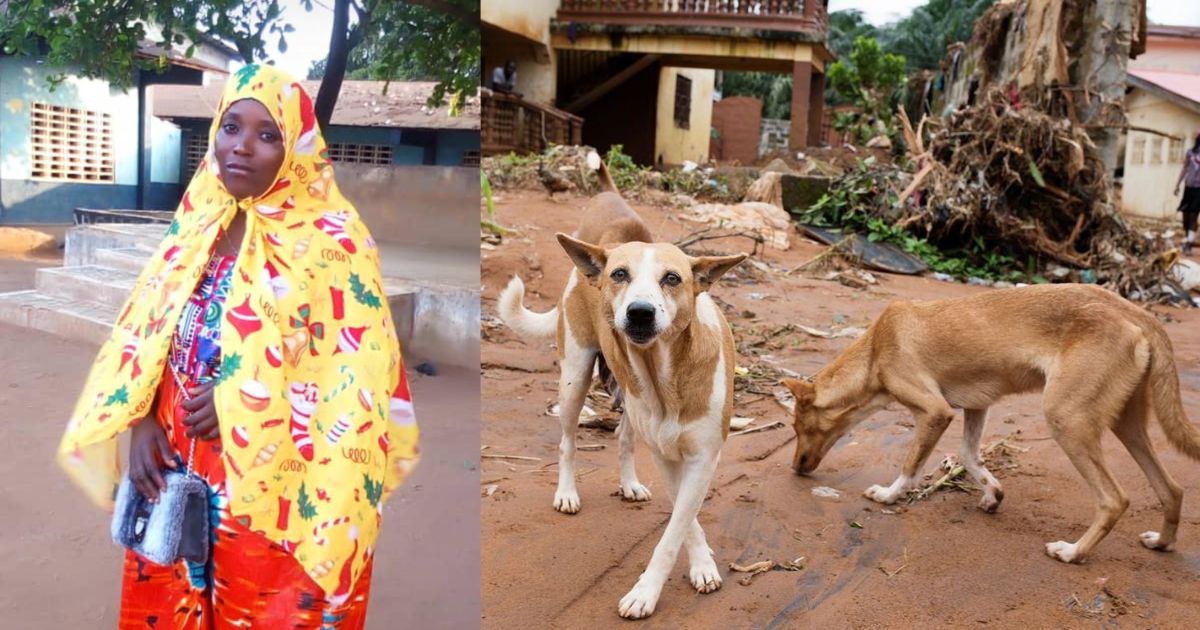
 Bernice Bangura
 A Sierra Leonean woman has been diagonised of Rabies disease months after completing a full course of rabies vaccinations following a dog bite, raising concerns about the efficacy of the treatment and potential gaps in the healthcare system.
The woman, whose identity was not disclosed, was bitten by a stray dog three months ago while fetching water. She sought immediate medical help and received a six-dose rabies vaccine at a local medical center, paying Le 600 for the treatment.
After completing the vaccination, she resumed her daily activities, observing Ramadan, celebrating Eid, and caring for her family, believing she was protected from the deadly virus.

However, three months later, she fell ill. Initial misdiagnoses at two medical facilities—first as an ulcer, then treated with unspecified medication—failed to improve her condition. A key symptom emerged: an inability to drink water.



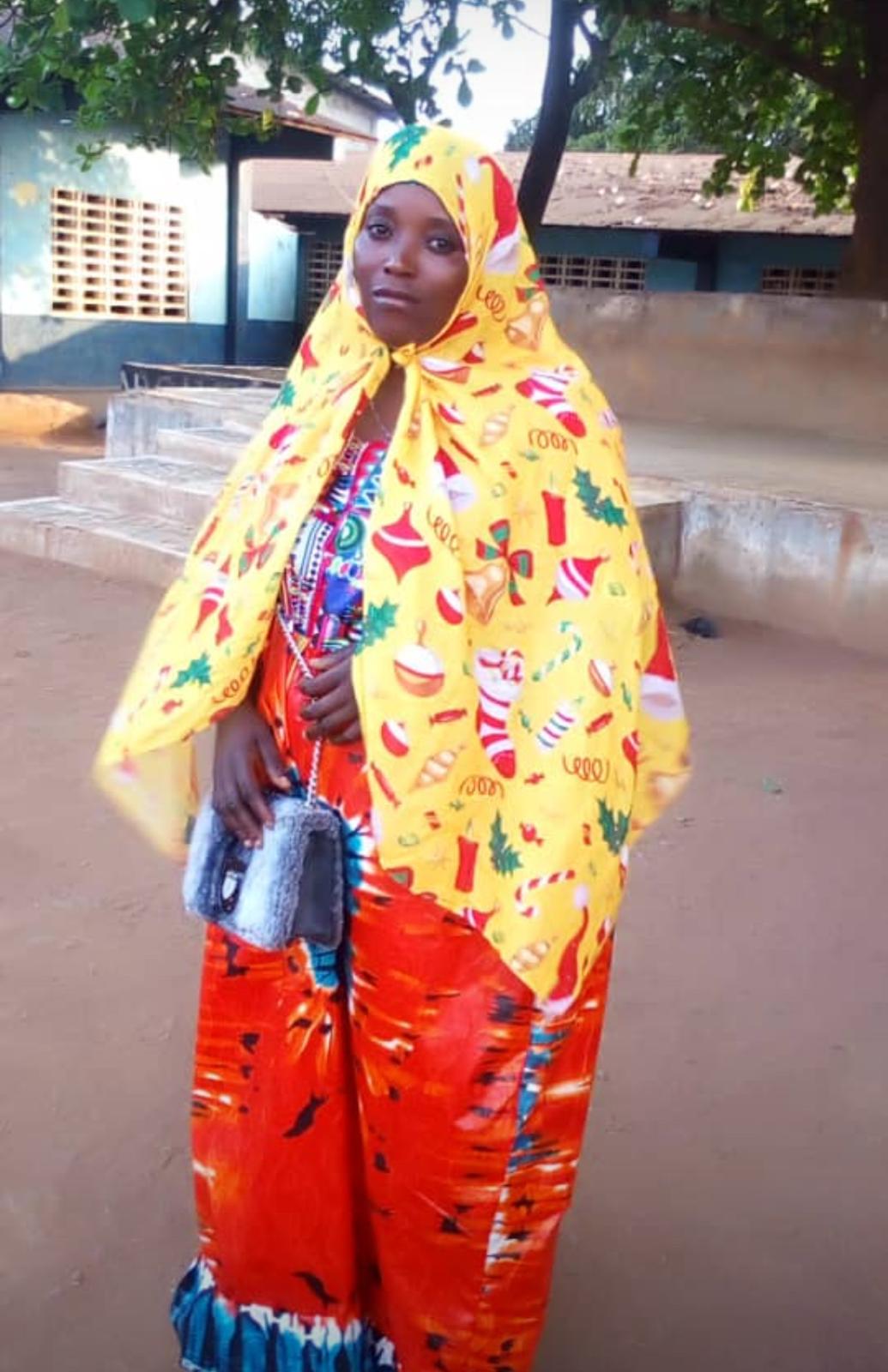
Last Friday, her condition worsened dramatically. She experienced severe chest pain, breathing difficulties, and was rushed to a hospital. Despite receiving oxygen, her symptoms escalated to convulsions, involuntary grinning, aggressive growling, and an inability to swallow.
According to a Facebook post by Dun Chen, who shared her story, the woman asked doctors for a diagnosis but received none before being referred to another hospital. It was then that she reportedly realized she was dying from rabies—despite having been vaccinated.
“As my body shut down, my thoughts turned to my children. Who would love them like I do? Who would care for their every need? Who would fight for their future?” the post reads
The case has sparked outrage and calls for an investigation into the quality of rabies vaccines, diagnostic accuracy, and healthcare system failures in treating such cases.
Rabies: A Deadly but Preventable Disease
Rabies is a fatal viral disease transmitted through the saliva of infected animals, primarily dogs. According to the World Health Organization (WHO), dogs account for up to 99% of human rabies cases globally, with most deaths occurring in Asia and Africa.
Early symptoms include fever, pain, and unusual tingling at the wound site. Without prompt treatment—thorough wound cleaning and vaccination within 10 days of exposure—the virus attacks the central nervous system, leading to death.
Stray Dog Crisis in Sierra Leone
Sierra Leone has a significant stray dog population, with the Animal Welfare Society estimating over 2.6 million dogs nationwide, many roaming freely. Poor pet ownership practices contribute to the problem, with packs of dogs commonly seen in Freetown and other regions.
Government data reveals that in the last six months of 2018 alone, 626 dog bite incidents and seven rabies-related deaths were reported. The Ministry of Health estimates an average of three rabies deaths per 100,000 people annually—approximately 210 fatalities each year.
This tragic case underscores the urgent need for improved rabies prevention, vaccination quality control, and public health awareness in Sierra Leone. Authorities face mounting pressure to investigate and address systemic failures to prevent future deaths.