


 Post a comment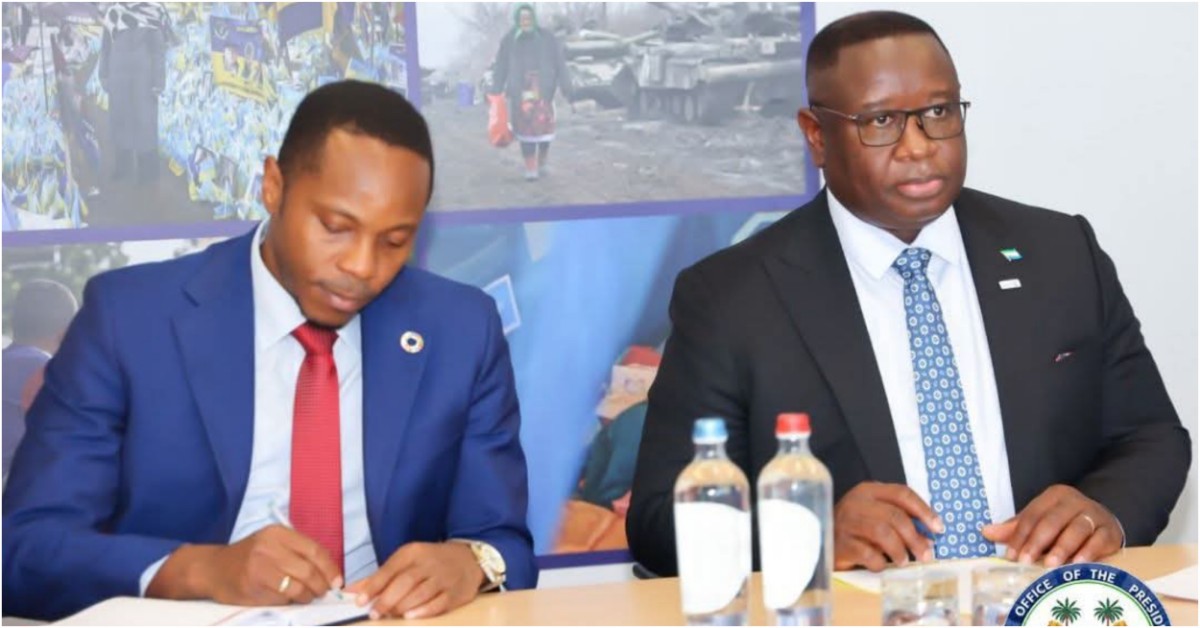
Chief Minister David Moinina Sengeh has shared new details about the Bio government’s national development plans, focusing on what is called the “BREAD” infrastructure approach.
BREAD stands for Bridges, Roads, Energy, Agriculture, and Digital five main areas the government says are key to improving daily life across the country.
According to Sengeh, President Bio met with leaders of the European Union, including the President of the EU Council and other senior officials. One of the key topics discussed was Sierra Leone’s BREAD plan and how it fits into the country’s long-term growth.

He explained that work is ongoing on eight new bridges, with one set to be commissioned next week. These bridges aim to connect rural areas to markets and improve access across districts. The planned Lungi Bridge is also included. In addition to linking people, it could also help transmit renewable energy, like solar and wind, from Lungi by carrying cables across the bridge.
- First National Internship And Apprenticeship Program to Commence After First National Youth Employment And Entrepreneurship Fair
- Two School Pupils of St Edwards Secondary School Confirmed Dead as a Result of Drowning
- Tonkolili District Traders Union Holds Emergency Meeting Over Frequent Armed Robbery Attacks on Business People
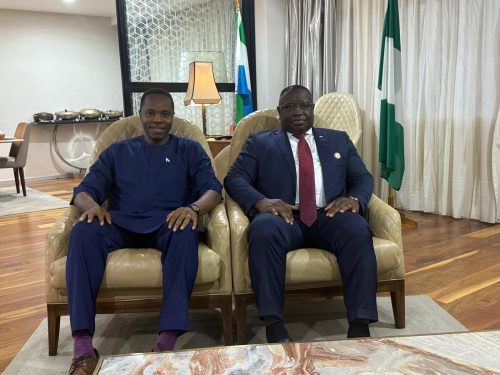
Sengeh said that over 480 kilometres of roads have already been completed. The road to Falaba is also underway and is expected to improve trade between Sierra Leone and Mali, since the country’s port is closer to Bamako than other nearby locations.
In the energy sector, Sengeh mentioned new investments in electricity generation and supply. These include liquefied natural gas power in Kissy and several solar plants in Karene and other districts. He said the goal is to more than double the country’s energy generation, with most of the increase coming from renewable sources. He also mentioned that UK partners, including actor Idris Elba, are exploring wind power options for local communities.
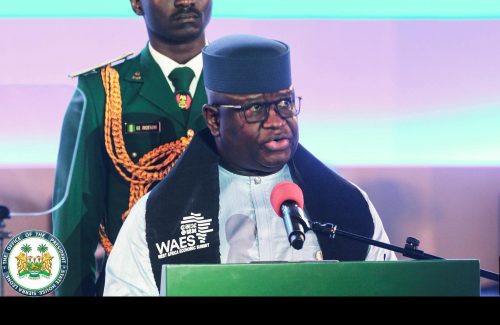
In agriculture, work is ongoing on over 4,000 hectares of irrigated farmland in Tormabum. Sengeh said there are also new storage units, milling facilities, and tools in use, including drones for spraying fertilisers. He added that better seeds, improved technology, and new partnerships are already helping the country grow more rice, reduce food imports like eggs and chicken, and increase exports of cash crops. There is also more food processing taking place, including items like sardines, chocolate, and coffee, creating jobs and supporting local incomes.
On the digital side, Sengeh said Freetown is now the first African city with a fully open-access 5G network. Mobile network coverage across the country has reached 97 per cent for 3G, and Starlink internet is now available nationwide. He also said that over $20 million in mobile money transactions have taken place in recent years, and more government services are now available online through platforms like WanGov.
Sengeh said that while President Bio is widely known for focusing on education and skills development, the BREAD plan also shows the government’s focus on physical infrastructure that supports jobs, income, access, and services for citizens across the country.


