

CHRDI’s Abdul Fatoma Joins African Leaders at ECOSOCC Citizens Forum to Tackle Fiscal Justice and Transparency
 Aaron Parker
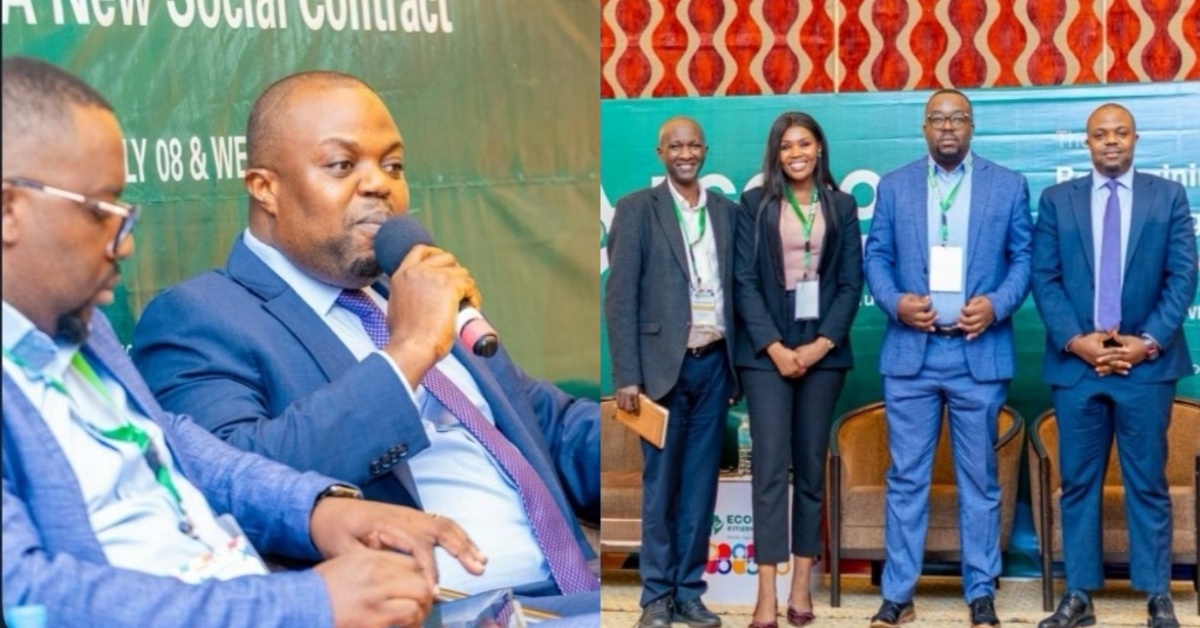
 Abdul Fatoma, Chief Executive of the Campaign for Human Rights and Development International (CHRDI), joined other African civil society leaders and policymakers at the 2025 ECOSOCC Citizens Forum in Malabo, where pressing issues around fiscal justice, transparency, and illicit financial flows were brought to the forefront during a high-level panel discussion.
The 2025 Citizens Forum was recently held under the theme: “Reimagining Democracy and Advancing Reparative Justice: A New Social Contract.” The forum explored how Africa can redesign its democratic governance models in response to historical injustices, persistent inequalities, and exclusion placing justice, dignity, participation, and redress at the center of policymaking and civic engagement.
Fatoma’s participation highlighted the continued role of civil society organizations in shaping Africa’s governance agenda, particularly at a time when democratic institutions across the continent face mounting challenges.

Since its establishment on July 4, 2004, and now headquartered in Lusaka, Zambia, ECOSOCC has served as a key platform for engaging civil society, the private sector, and other non-state actors in AU policy development and implementation.
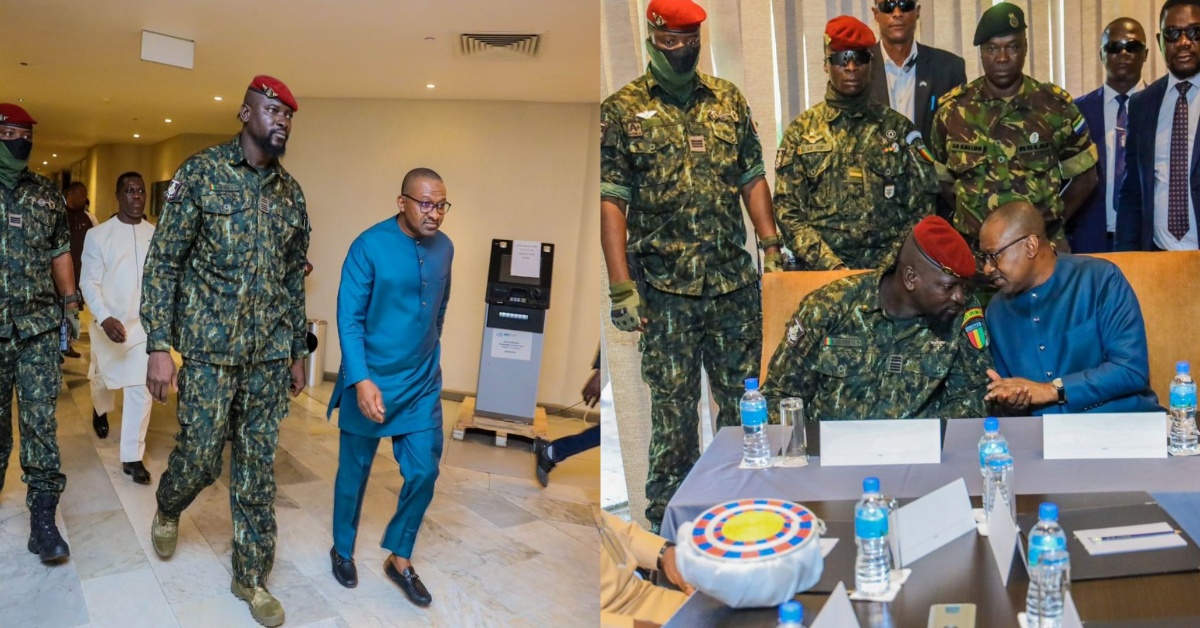

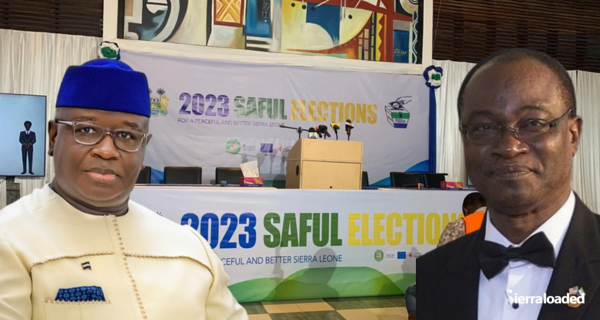
Held previously in Accra, Ghana, the 2024 Citizens Forum attracted over 400 participants, including CSO representatives, AU officials, and regional policymakers. The forum focused on threats to democratic governance, such as Unconstitutional Changes of Government (UCG), growing governance deficits, and weak institutional resilience. It concluded with a set of recommendations aimed at reinforcing democratic principles and institutional stability across the continent.
First convened in 2022 in Lusaka, the Citizens Forum has grown into a flagship event on the sidelines of the AU’s mid-year coordination summit. Each edition builds on past engagements to address emerging governance challenges and contribute to the realization of Agenda 2063, the AU’s blueprint for a peaceful, prosperous, and united Africa.
Despite progress, Africa continues to struggle with issues including military coups, fragile institutions, and limited enforcement of key frameworks such as the African Charter on Democracy, Elections, and Governance (ACDEG) and the AU Constitutive Act. The need for renewed commitment to these frameworks was a recurring theme throughout the discussions.
As Abdul Fatoma and other civic leaders continue to advocate for transparency and equity, ECOSOCC remains a vital space for African citizens to influence policy, shape governance reforms, and build a continent rooted in participatory democracy and social justice.