

25 Returnees Graduate from Automotive Skills Training Backed by IOM and UNIDO
 Osman Tolo Sesay
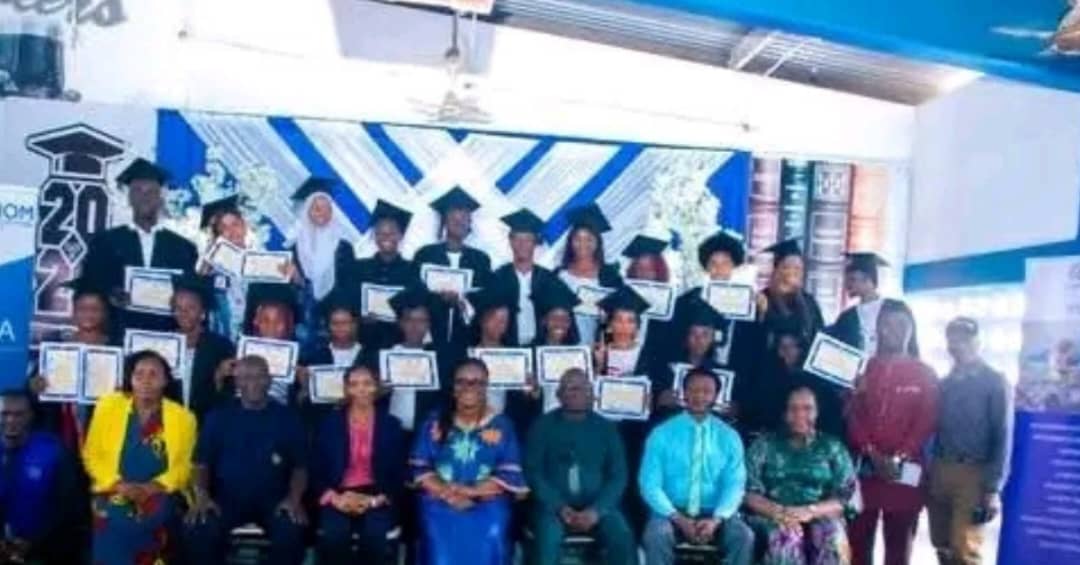
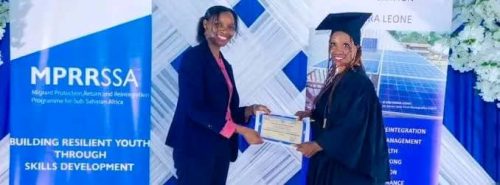
 Twenty-five returnees have successfully completed an intensive automotive skills training program, supported by the International Organization for Migration (IOM) and the United Nations Industrial Development Organization (UNIDO), in partnership with Freetown Polytechnic.
The graduation ceremony was held on Friday, July 25, 2025, at the Government Technical Institute Campus, Ferry Junction.
The program, funded by the European Union (EU), is part of a broader initiative aimed at promoting sustainable reintegration and economic empowerment for returnees. The training focused on hands-on automotive maintenance, covering key areas such as engine repairs, battery and tire replacement, and diagnostic checks. It also integrated modules on entrepreneurship, sustainable practices, and technological applications to enhance employability and promote self-reliance.

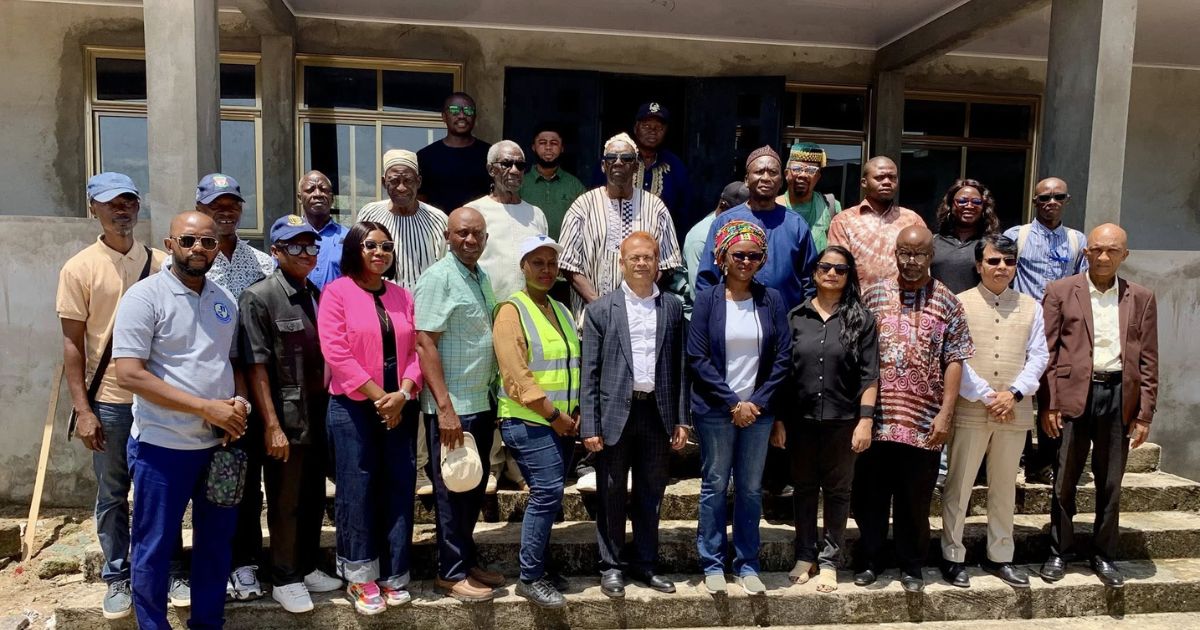

In her remarks, Dr. Pauline Macharia, IOM Officer-in-Charge in Sierra Leone, highlighted the significance of the program in equipping participants with skills relevant to the modern job market. She emphasized IOM and UNIDO’s commitment to collaborating with the Government of Sierra Leone and development partners to create opportunities that contribute to national growth and reduce the risks associated with irregular migration.
Dr. Samba Moriba, Principal of Freetown Polytechnic, described the initiative as a key milestone in vocational and technical education. He reaffirmed the institution’s dedication to producing industry-ready graduates through practical and theoretical instruction and commended the partnership with international agencies as instrumental in addressing skills gaps and enhancing educational standards.
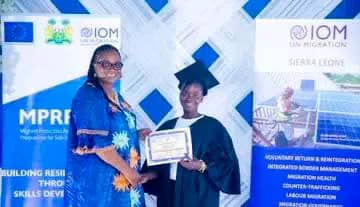
Representing the Ministry of Youth Affairs, Assistant Director Cyrus Chrispin Justice reiterated the government’s focus on youth development and employment. He noted that the Ministry is committed to implementing policies and programs that empower young people and support their role in community and national development.
The event underscored ongoing efforts to tackle unemployment, support reintegration, and strengthen technical capacity among returnees and young people in Sierra Leone. With support from international partners, the graduates are expected to contribute positively to their communities and the national economy through the application of their newly acquired skills.
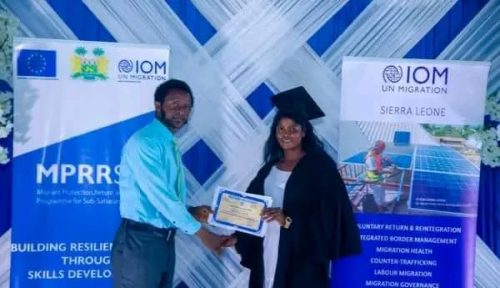
The program aligns with broader strategies to reduce migration pressures by creating local opportunities and improving livelihoods, especially among vulnerable groups.