

CCIS, Youth Leaders Engage Minister Sannoh And UN Envoy at “UNFILTERED” Networking
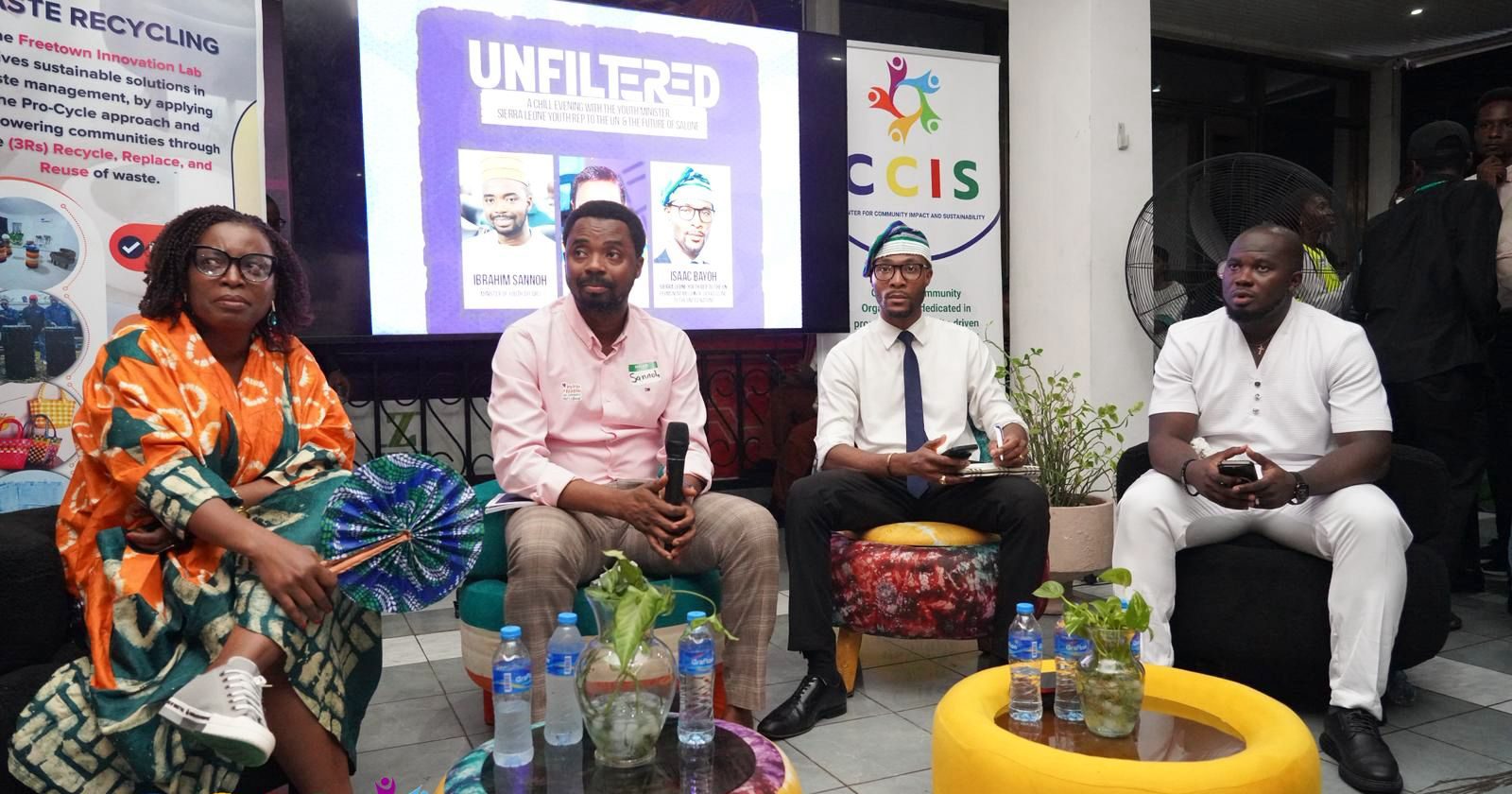
In a landmark moment for youth engagement in Sierra Leone, the “UNFILTERED” youth-centered dialogue was successfully hosted at Creative Hub Africa (CHA) in Lumley, Freetown, bringing together government officials, grassroots youth leaders, civil society actors, and development stakeholders for a bold and transformative conversation. Co-organized by the Center for Community Impact and Sustainability (CCIS), the Ministry of Youth Affairs (MoYA), and the Agnes Bio Foundation—with support from the I.B Taylor-Kamara Foundation—the event was the first of its kind in the country.
Held under the theme of truth, inclusion, and purposeful connection, “UNFILTERED” created a safe and powerful platform for young people from all walks of life—students, bike riders, activists, artists, and community leaders—to speak openly and directly to those in power, without formalities or fear. The atmosphere was raw, honest, and electric with purpose.
The event was anchored by the passionate leadership of Madam Lyzianah Emakoua, CEO of CCIS, who welcomed the participants and special guests, including Hon. Ibrahim Sannoh, Minister of Youth Affairs; Mr. Isaac Bayoh, Sierra Leone’s Youth Representative to the United Nations; and Madam Isatu Harisson, CEO of Creative Hub Africa. Also present as guest speaker was Mr. George Shadrack Kamanda, Legal Adviser to the Sierra Leone Permanent Mission to the UN, author, and civic educator.
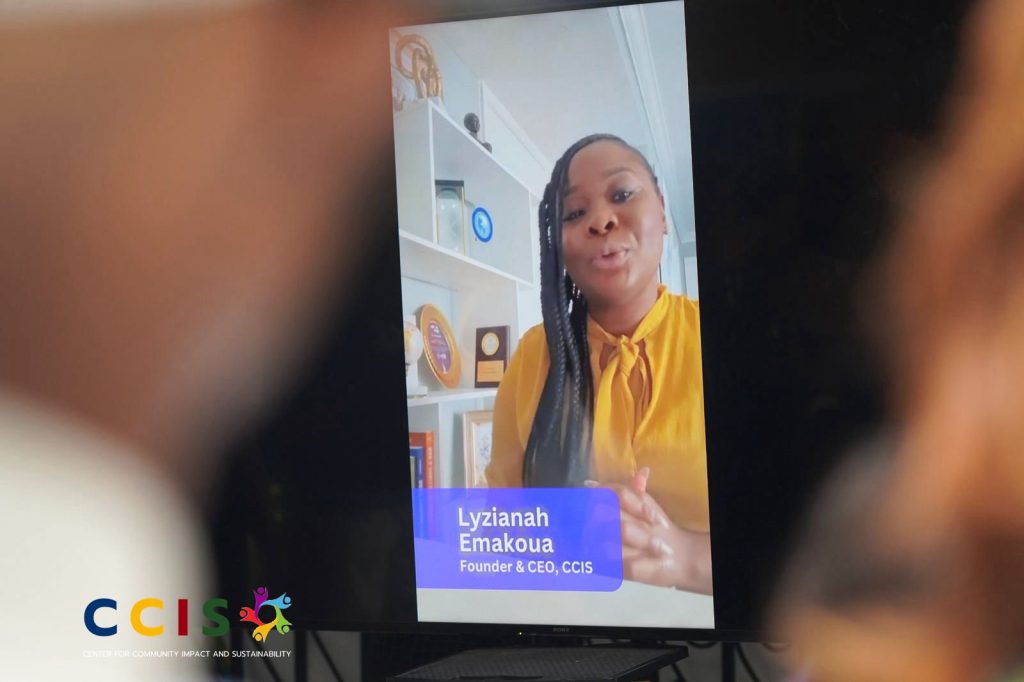
In her virtual welcome address, Madam Lyzianah set the tone for a youth-led and youth-focused evening, stating:
“This is not just a networking space. It is a truth-telling space. A space where youth speak freely, honestly, and demand accountability. It is about reimagining Sierra Leone with and for its young people.” She emphasized that performative inclusion is no longer enough and called for radical listening, co-creation, and authentic partnerships between youth and decision-makers.
Hon. Ibrahim Sannoh, in a deeply reflective presentation, identified national unity as the most critical challenge affecting youth development in Sierra Leone. He pointed to political polarization, tribalism, and disunity as root causes of corruption, inequality, and lost opportunities.
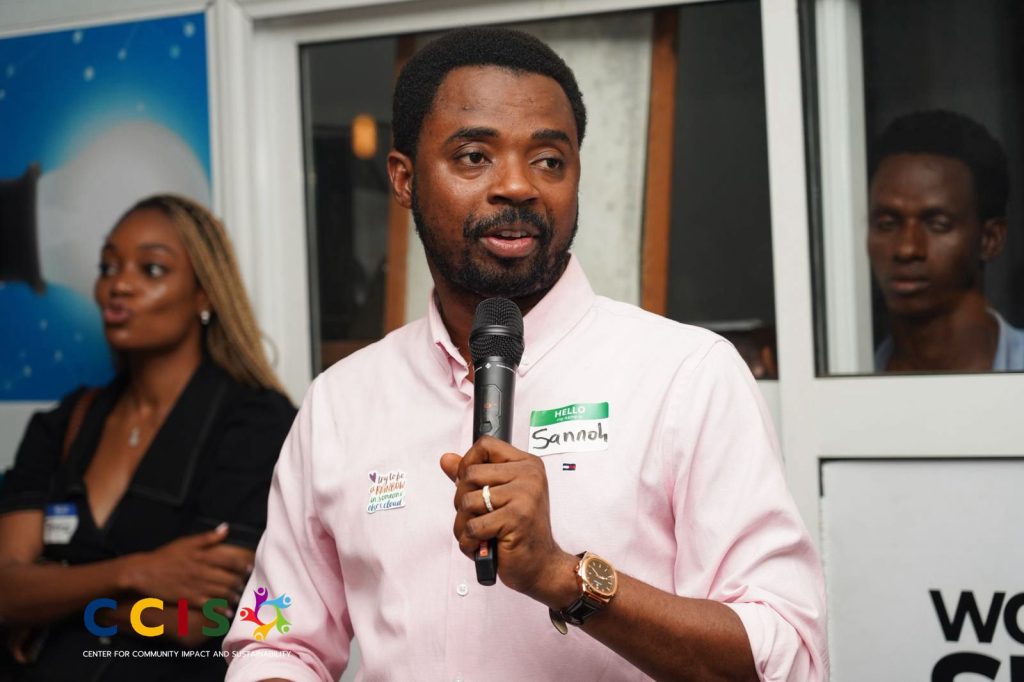
“Everybody wants a job. Everybody wants to graduate. But we are not united, and that makes us vulnerable to political manipulation,” he said. “If we are united, there will be no tribalism, no division, and no corruption.”
The Minister also announced the rollout of 21 vocational and technical training programs in collaboration with institutions like Milton Margai Technical University. These skills-based programs—including tailoring, carpentry, welding, masonry, and cybersecurity—require no formal academic qualifications, and are targeted at youth who have traditionally been excluded from the education system. He further revealed plans to establish a national youth research hub within his first 100 days in office, dedicated to innovation, policy input, and research led by young people themselves.
Echoing the Minister’s message, Salone Youth Representative to UN, Mr. Isaac Bayoh advocated for greater youth presence in international development conversations. He encouraged his peers to explore funding opportunities, leadership schemes, and collaborative efforts that promote youth resilience and self-reliance. “We need to scale our representation so our stories are not just heard locally, but shape decisions globally,” he urged.

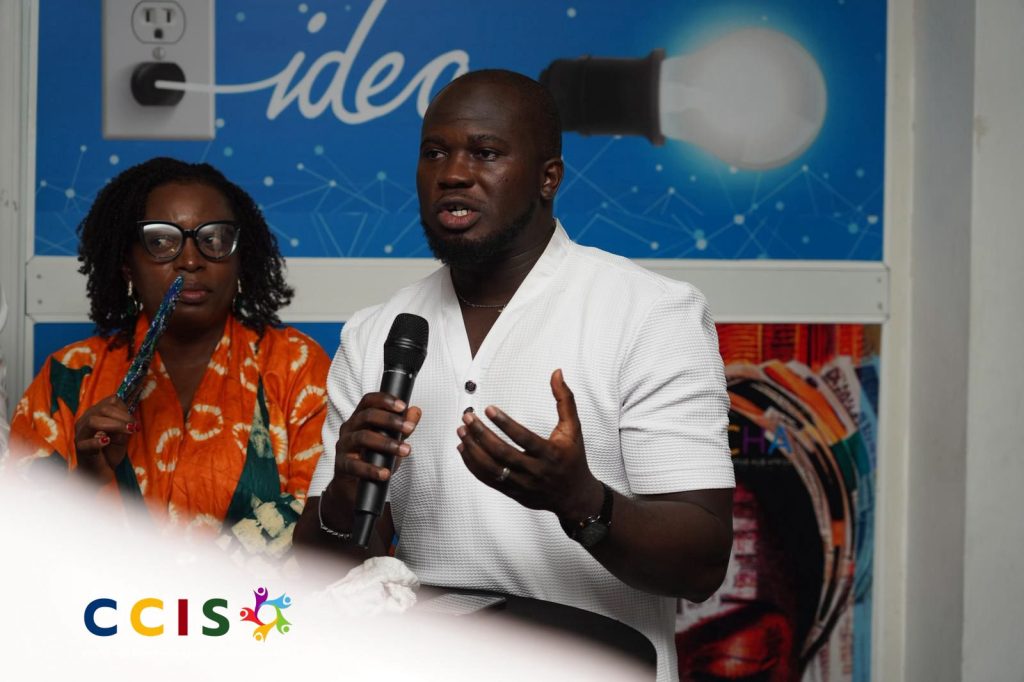
Bayoh outlined his work representing Sierra Leonean youth at the UN, where he ensures that the realities and aspirations of local youth influence global development policies.
“My job is to amplify your voices at tables where policies are made,” he said. “But that work starts with you—by taking initiative and showing leadership at home.”
He encouraged participants to explore international opportunities such as the AFS Youth Assembly and the UN Youth Delegate Programme and shared updates on national initiatives like the Financial Literacy Strategy and the Youth, Peace & Security National Action Plan currently under development.
Madam Isatu Harisson, host and CEO of Creative Hub Africa, shared her personal journey of building the venue from a dream into a creative space for youth empowerment.
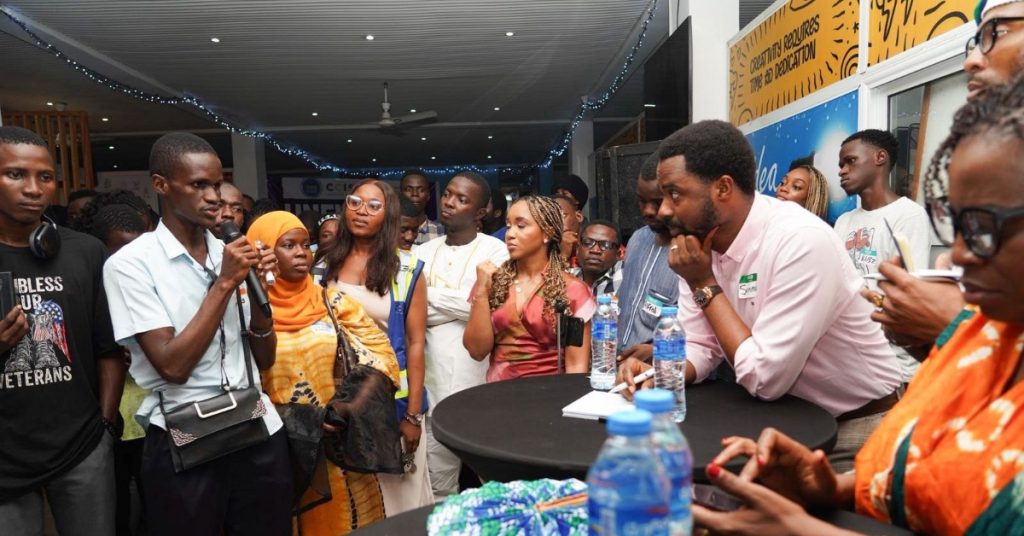
She said emotionally. Madam Harrison emphasized the historic nature of the event, noting that it was the first of its kind since the opening of the Creative Hub Africa (CHA) two years ago. She highlighted the importance of youth representation, underscoring that “one youth is representing 500 youths,” and encouraged participants to engage meaningfully. Reflecting on the journey of establishing CHA, she shared that what now stands as a hub for youth empowerment was once just a dream. With deep personal commitment, she revealed that she had prayed, worked tirelessly, and even saved her entire salary from London to bring this vision to life for young people.
Mr. George Kamanda underscored that the future of Sierra Leone’s youth lies in digital innovation and readiness. He stressed the importance of coupling this with a strong sense of nationalism and civic responsibility. Celebrating the event as a powerful demonstration of “youth in action,” he praised the leadership and vision shown by young people. Kamanda reminded participants that while advocating for their rights, they must equally embrace their responsibilities, stating: “Our rights must exist on the same frequency as our responsibility.”
The dialogue created a safe, unfiltered space for young people to share their frustrations and dreams—from navigating unemployment and poverty to feeling sidelined in national discourse. The emotional testimonies moved participants and panelists alike, reinforcing the need for urgent, youth-centered reforms.
Participants applauded the CCIS-led initiative for creating an inclusive platform that connected grassroots voices to national leadership. With the promise of continuity, the “Unfiltered” series is poised to become a cornerstone in the national youth engagement landscape, championing real stories, real solutions, and a renewed commitment to change.