


 Post a comment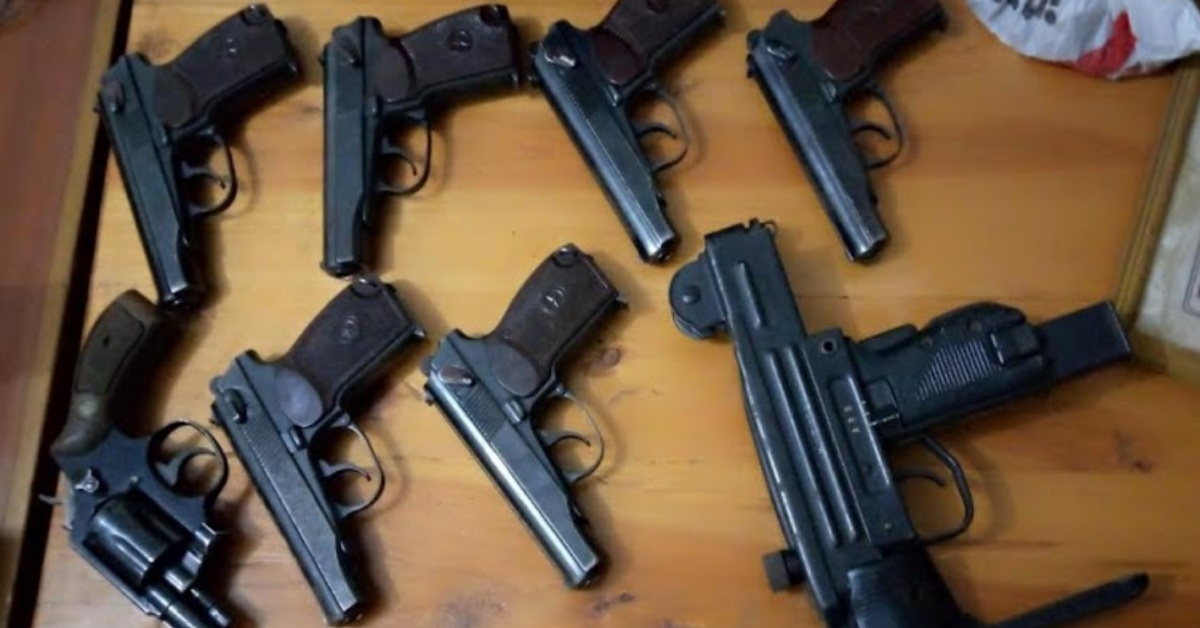
Sierra Leone has officially strengthened its legal and institutional framework for arms control through the introduction of the new Arms and Ammunition Act, aligning national efforts with both the Arms Trade Treaty (ATT) and the ECOWAS Convention on Small Arms and Light Weapons.
This legislative development was presented during a press briefing held at the Miatta Conference Centre in Freetown by Major General (Rtd) Christian Fahim Marah, the Commissioner and Registrar of the Sierra Leone Commission on Arms and Ammunition (SLCAA).
According to the Commissioner, the new Act enhances Sierra Leone’s capacity to regulate and monitor arms and ammunition across their lifecycle including manufacture, trade, and usage. Marah emphasized that the Act serves as a legal platform enabling Sierra Leone to meet its international obligations and improve internal security mechanisms.

As part of ongoing disarmament efforts, the SLCAA reported the destruction of 3,900 illegal small arms and light weapons in 2025. This continues a broader trend of disarmament that included the disposal of over 8,500 weapons by the Special Court for Sierra Leone during earlier post-conflict operations. These activities are now guided by a National Action Plan extending through 2029, which focuses on arms control, enforcement, regional cooperation, and public awareness.
Recent field activities by the Commission included training missions in Sierra Leone’s Southern and Eastern Regions. These missions introduced weapon marking and tracking systems intended to improve traceability of firearms essential in preventing diversion and misuse. Plans are in place to extend similar operations to the Northern Region.
From July 21st to 25th, the Commission undertook comprehensive training on the use of marking technologies, marking a technical milestone in firearm accountability. Commissioner Marah highlighted the relevance of these efforts in the West African context, drawing comparisons with East African countries where civilian firearm ownership remains significantly high.
The new legislation extends the Commission’s authority over the licensing, regulation, and oversight of the arms and ammunition sector. It also reinforces Sierra Leone’s long-standing commitment to peacebuilding and security since the end of its civil conflict and the departure of the United Nations Mission in Sierra Leone (UNAMSIL).
Commissioner Marah concluded the briefing with an appeal for continued engagement by the media and civil society, emphasizing their role in sensitizing the public on the legal and safety implications of unregulated arms possession.
The Arms and Ammunition Act is expected to serve as a central pillar in Sierra Leone’s national and regional security strategy, complementing broader efforts to reduce illicit arms flows and promote stability within the ECOWAS subregion.


