

Parliament Intervenes as EGTC Accuses EDSA of Owing NLe 589 Million
 Osman Tolo Sesay
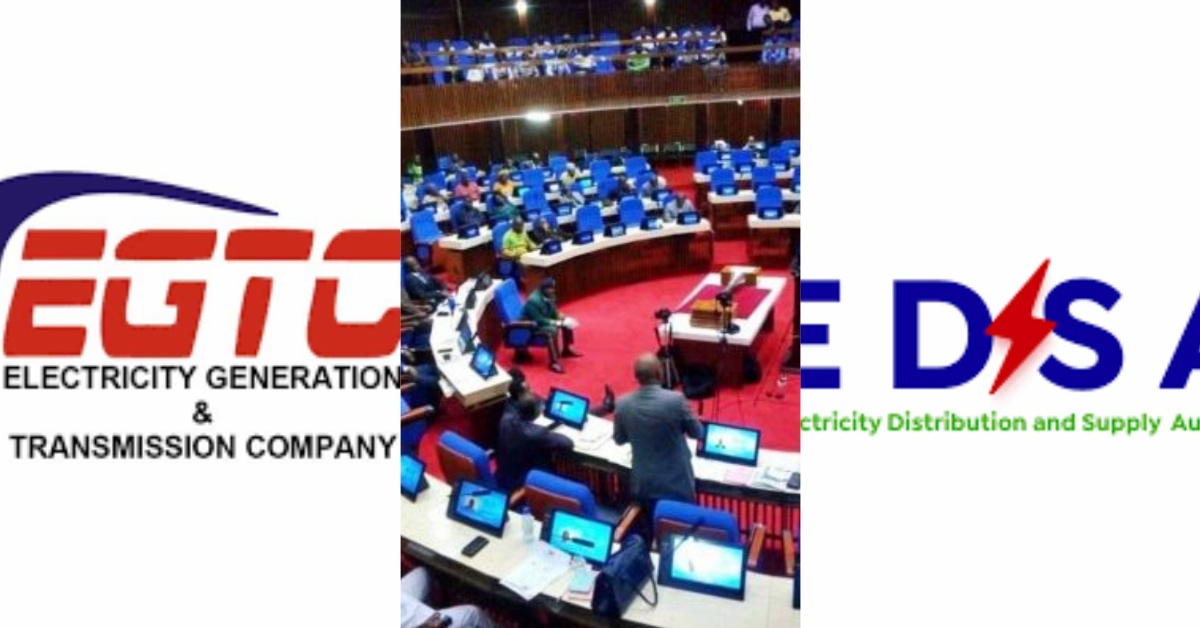
 The Public Accounts Committee (PAC) of Parliament on Tuesday examined mounting tensions between the Energy Generation and Transmission Company (EGTC) and the Electricity Distribution and Supply Authority (EDSA) over financial management and operational control in the power sector.
EGTC representatives told lawmakers that EDSA owes the company NLe 589 million for electricity supplied over several years. They alleged that EDSA’s management of all revenue from electricity sales has left EGTC without control over its own finances.
According to EGTC, funds from electricity sales are deposited into a central account managed entirely by EDSA, which makes payments to suppliers, covers salaries, and handles expenditures on behalf of EGTC. Company officials said this arrangement prevents them from maintaining their own financial records and undermines accountability.

EGTC argued that under the previous structure, EDSA paid directly for generated power, allowing EGTC to meet its obligations to suppliers. Officials said the current setup has weakened the company’s operational independence and left it burdened with unpaid debts.

In response, EGTC has engaged the Electricity and Water Regulatory Commission (EWRC) to seek approval for a new “No Power Purchase Agreement.” The proposed arrangement would allow EGTC to receive direct payment for generated power and manage its own financial operations.
The company appealed to PAC for support in securing the new agreement. “We want a new agreement that will give EGTC its independence,” an EGTC representative told the committee.
Following the session, Hon. Aaron Aruna Koroma advised committee members not to make immediate decisions. He recommended that both EGTC and EDSA be invited to appear jointly before PAC to clarify their positions.
Deputy Chairman of PAC, who chaired the meeting, confirmed that EDSA will be summoned to respond to the allegations. A date for the next hearing will be communicated to both parties.
The dispute underscores broader challenges in Sierra Leone’s energy sector, including issues of accountability, financial management, and the need for structural reforms to ensure reliable and sustainable electricity supply.