Post a comment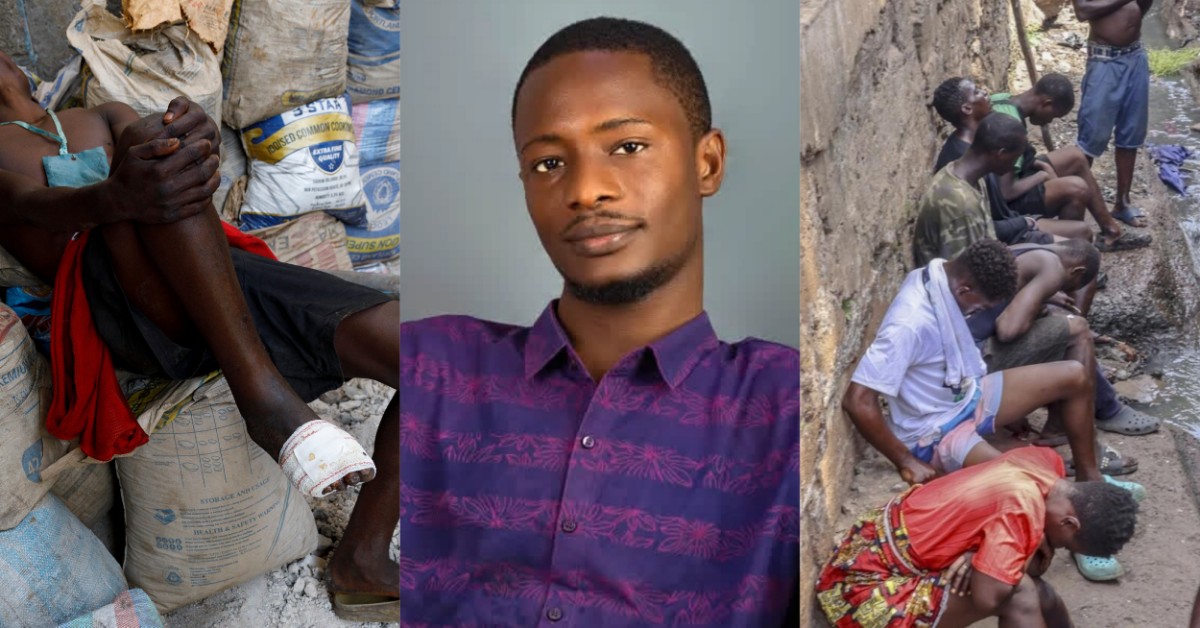
Delvid Stanley-Coker, a writer and editor known for his work with The African Dream, has made strong remarks on social media, comparing the current government led by the Sierra Leone People’s Party (SLPP) to the previous All People’s Congress (APC) administration.
In a Facebook post that drew attention, Stanley-Coker said the situation in the country has worsened under the SLPP, even though the APC also contributed to the problems Sierra Leone faces today.
“You can taunt me or insinuate, but we know that the APC has proven to be better than the SLPP,” he wrote.

He pointed to the growing number of young men on the streets suffering from severe leg wounds, as well as reports of dead bodies being found in public places. These cases, he suggested, were not as common under the APC.
“At least, we nor bin dae see sow foot and dead body around,” he said.
The phrase “sow foot” is commonly used to describe the leg wounds seen on many young men believed to be addicted to Kush, a dangerous synthetic drug spreading across Sierra Leone. In recent months, both urban centers and smaller towns have reported a rise in Kush-related injuries and deaths. These injuries are often left untreated, and victims are seen roaming the streets in poor health, barefoot and visibly disoriented.
There has also been a rise in reports of unidentified bodies being found in public areas such as by the roadside, in gutters, or near markets, especially in major towns and cities like Freetown, Kenema, and Bo. These scenes have become more common and are often believed to be linked to drug use, exposure, or a lack of social support.
The Kush epidemic continues to affect thousands of youths across Sierra Leone. Many are seen wandering the streets, barefoot and wounded, while others have reportedly died due to overdose or exposure. With limited access to medical care or rehabilitation services, the crisis has become a visible part of daily life for many communities.
Stanley-Coker noted that while he is not defending the APC, the hardship and insecurity people face today have made the past seem better in comparison.
“This current government makes you miss the previous one,” he added.
The Kush crisis remains a serious issue across the country, especially among youth. Public calls for stronger action, drug rehabilitation centers, and better street safety have increased, but solutions remain limited. Some communities have attempted to set up small outreach programs, but they lack the resources to meet the scale of the problem. Families affected by drug addiction are also left with little to no support.
In addition to drug abuse, rising unemployment and economic hardship have contributed to worsening conditions in many areas. According to reports and accounts from many within affected communities, the lack of opportunity and support has pushed young people deeper into addiction, homelessness, or crime. Citizens have continued to express frustration online and in their communities, with growing calls for leadership that responds directly to these urgent issues.
Stanley-Coker’s recent post adds to growing public conversations about leadership, hardship, and the state of the country.