
Capacity Building in Focus: Sierra Leone Partners Receive Training on Cash Transfer Programs from MoPED and UNICEF
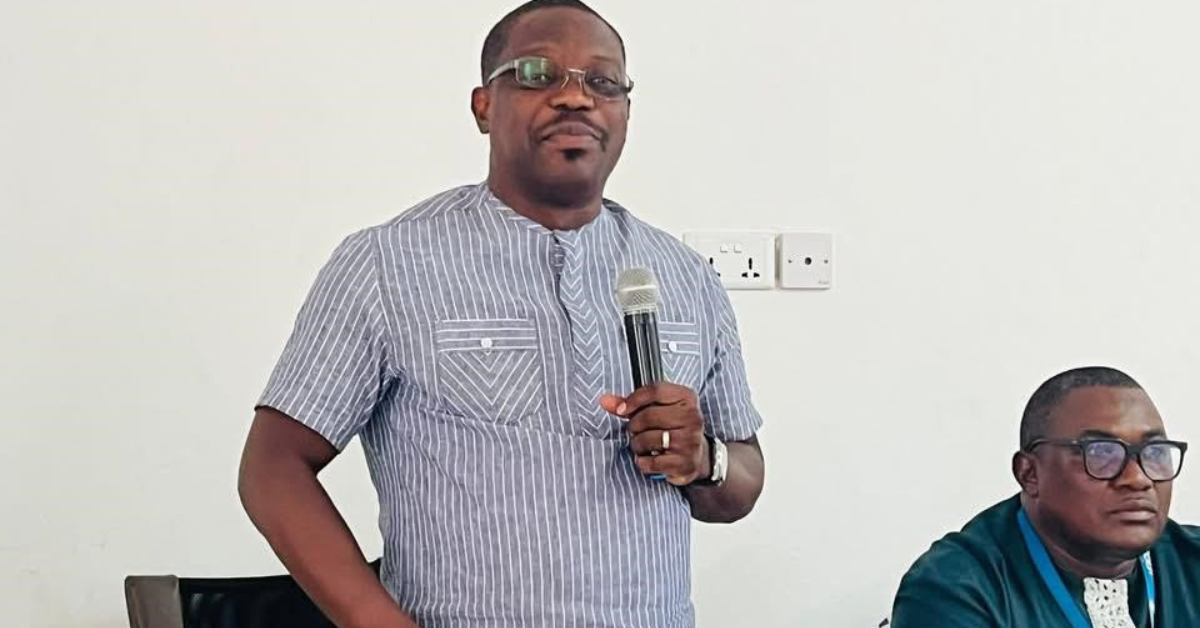
Representatives from government agencies, NGOs, and civil society organizations gathered in Makeni as MoPED and UNICEF kicked off a crucial training to improve the management and accountability of cash transfer programs in Sierra Leone’s North-West.
The workshop gathered representatives from District Health Management Teams (DHMTs), District Medical Officers (DMOs), program coordinators, finance officers, accountants, and civil society organization (CSO) partners working with UNICEF. Its primary goal is to enhance understanding of the Harmonized Approach to Cash Transfers (HACT), a framework designed to streamline fund management, reduce administrative costs, and promote the use of national systems for accountability.
In his keynote address, Mr. Eric Massallay, National NGO Affairs Director, expressed gratitude to UNICEF for its ongoing support. “UNICEF is more than just a funder; it is a true partner in capacity building,” he said. “Strengthening the skills of our partners is essential for sustainable service delivery in our communities.”

Mr. Massallay emphasized the importance of adherence to standards in the use and reporting of funds, noting that past challenges—such as incomplete reports or mismanagement—have sometimes led to serious accountability concerns and, in rare cases, the recovery of funds. “Resources are meant for Sierra Leone’s children. Accountability is a duty we all share,” he stated. He highlighted that preventive measures like training and capacity building are more effective than punitive actions, which can take years to resolve.


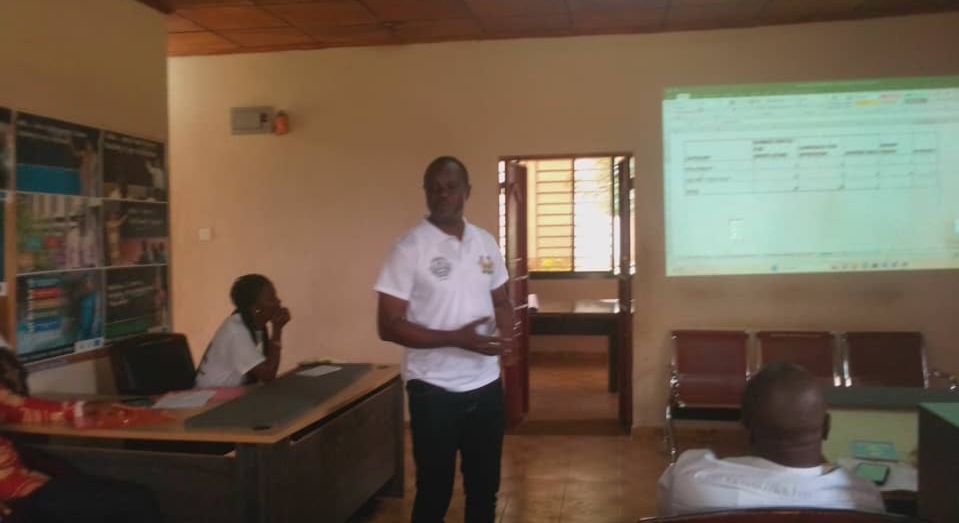
Madam Alice Neneh James, Coordinator of the Sierra Leone Association of Non-Governmental Organizations (SLANGO), also addressed the participants. She underscored SLANGO’s role in coordinating NGO activities and maintaining standards. “We have a zero-tolerance policy for non-compliance and have suspended or blacklisted organizations that fail to meet our standards,” she said. Madam James encouraged NGOs to take the training seriously, viewing it as an opportunity to improve skills and uphold the reputation of Sierra Leone’s civil society sector.
UNICEF’s HACT Specialist, Victoria Mwapasa, explained that the training aims to reinforce technical skills and foster mutual understanding among partners. “This session is also about sharing experiences and addressing challenges since our last meeting,” she noted. Topics to be covered include completing FACE forms, budgeting, risk assessments, anti-fraud measures, and the prevention of sexual exploitation and abuse (PSEA).
UNICEF’s Chief of Field Office for the Southern and Eastern regions, Mr. Andrew Sellu, highlighted the importance of collaboration under the new UNICEF–Government of Sierra Leone Country Programme (2025–2030). “Our goal is to work as partners, not hierarchically, because we share common objectives,” he said. He praised the ongoing efforts to extend similar training initiatives across other regions.
The workshop underscores UNICEF and MoPED’s commitment to ensuring transparent, accountable, and effective use of resources for the development and well-being of Sierra Leone’s children and communities.