

Academic Year in Limbo: Sierra Leone Teachers’ Strike Threatens Future Generations
 Angella Hawa Fabai
 As Sierra Leone’s new academic year begins, classrooms remain shuttered and students are left stranded, caught in the crossfire of a fierce teachers’ strike that risks derailing the future of an entire generation.
With tensions unresolved and trust fraying, the nation faces a critical test of its commitment to education and development.
As classrooms of public schools remain shuttered and students stay home, the future of the academic calendar hangs in the balance, threatening years of progress and eroding public trust in the nation’s education system.

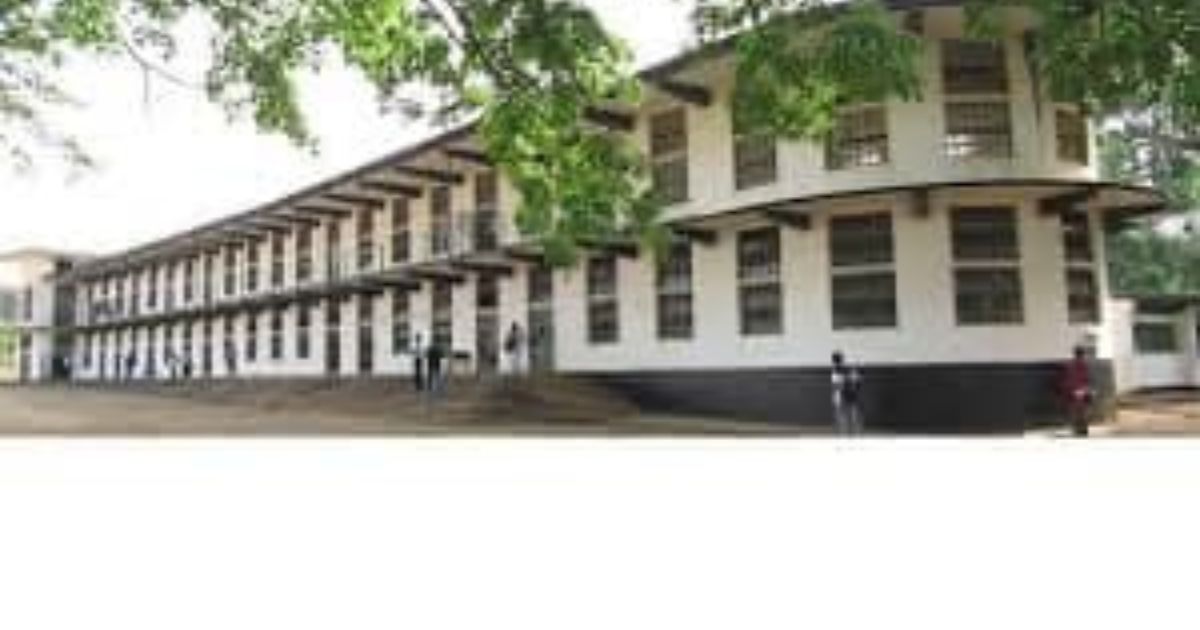
Despite assurances from the Ministry of Basic and Senior Secondary Education (MBSSE) that schools would reopen, the reality on the ground tells a different story. Public schools remain closed, with gates locked and classrooms deserted.
Frustrated pupils and parents across Sierra Leone are grappling with uncertainty and disappointment, as the strike persists beyond the scheduled start date.
The Sierra Leone Teachers’ Union (SLTU) initiated the strike over long-standing grievances, including unpaid subsidies and unresolved financial commitments dating back to late 2024.
The union maintains that, despite repeated promises from the government, core demands remain unmet—particularly from the Ministry of Finance. SLTU officials argue that these promises are superficial and fail to address the underlying issues. “We’ve seen similar promises before,” one union representative remarked. “Until funds are reliably disbursed and timelines are respected, the strike will continue.”
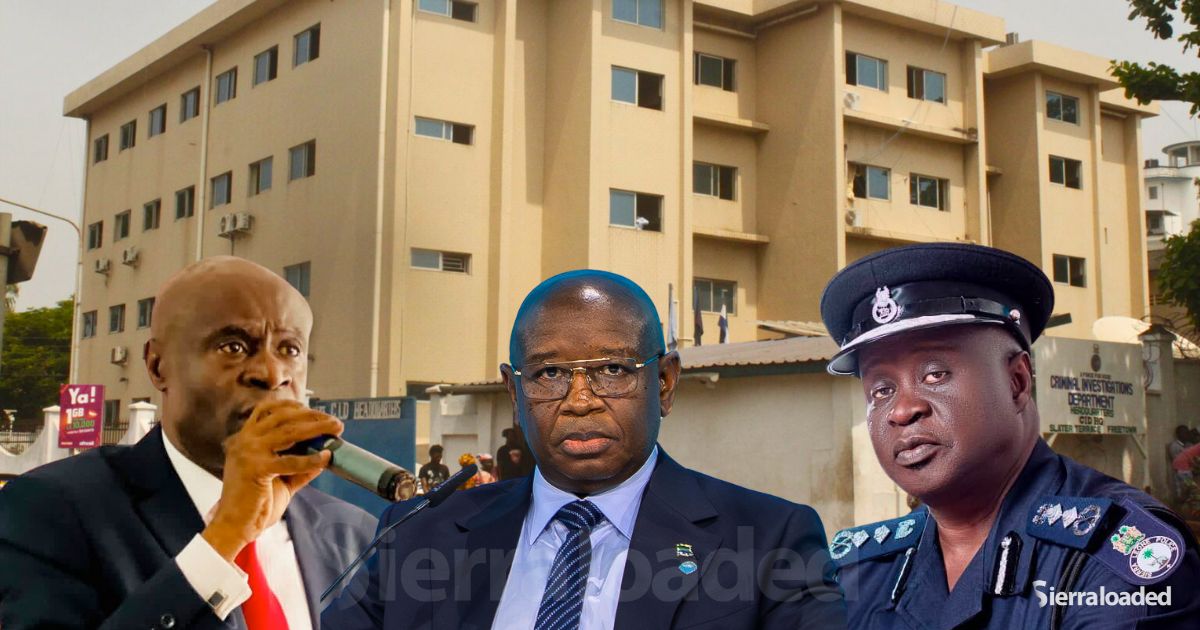
This prolonged industrial action threatens not only the current academic year but also the credibility of President Bio’s flagship Free Quality Education (FQE) initiative, launched to improve access and enrollment. While the FQE has yielded positive results in recent years, the ongoing strike risks undermining its achievements and the trust students and parents place in the system—especially for pupils in critical examination classes.
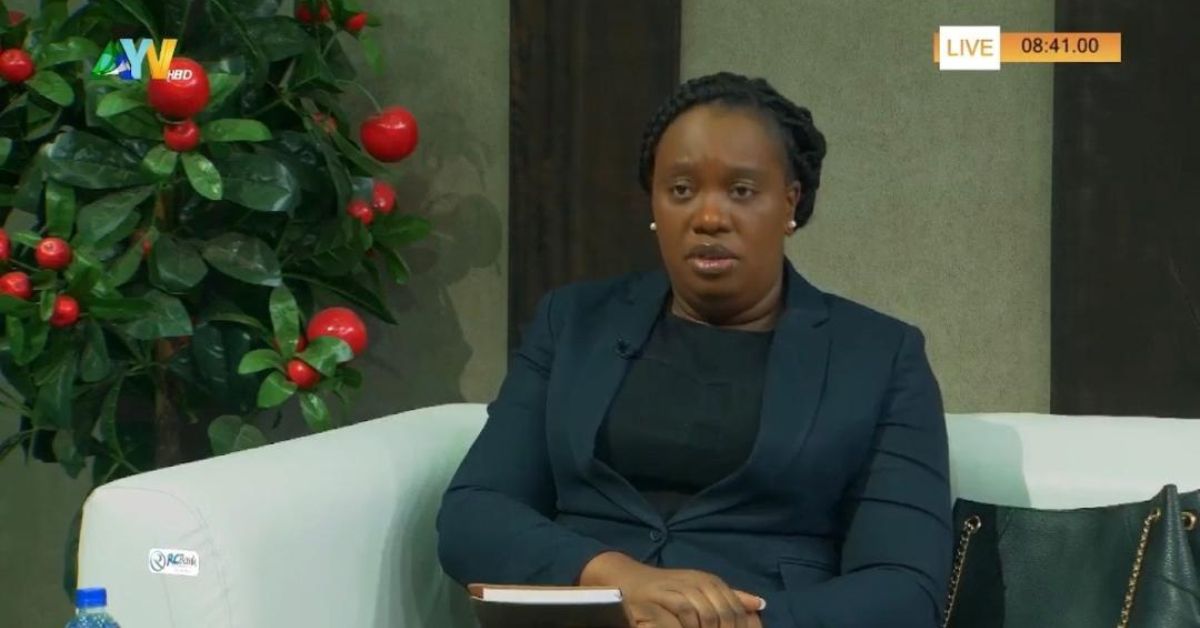
In response, the government has taken some steps to address the union’s concerns. MBSSE Permanent Secretary Mr. Brima S. Sowah confirmed that measures include transferring Le82.5 million in outstanding school fee subsidies to commercial banks, sharing payment receipts with SLTU, initiating the recruitment of additional teachers, and allocating 1,000 PIN codes for acting principals.
Yet, the union remains resolute, vowing to continue the strike until all demands are met. The nation’s future depends on a swift resolution—one that restores stability, rebuilds confidence in Sierra Leone’s education system, and guarantees every child the right to learn.