

Sierra Leone Journalist Takes Government to ECOWAS Court
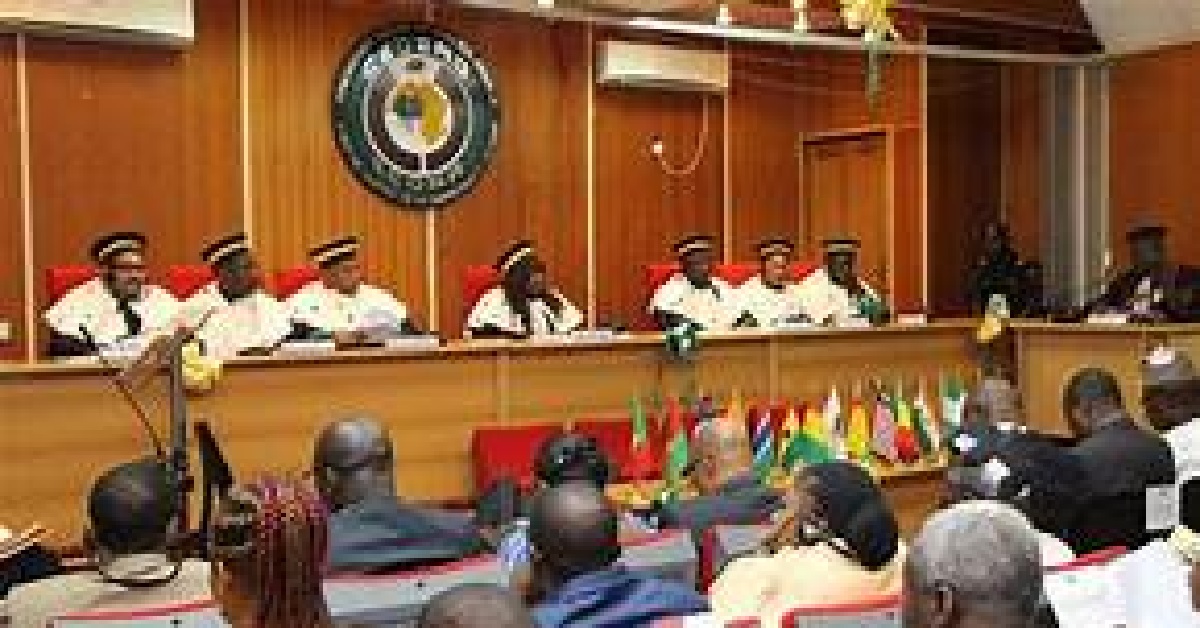
The legal filing accuses the Government of Sierra Leone of violating regional and international human rights obligations, including Thoronka’s rights to freedom of expression, protection from discrimination, and personal safety.
According to the petition, Thoronka was terminated in July 2024 following a TikTok post highlighting a town hall event in which President Julius Maada Bio faced public criticism over rising living costs. SLBC management reportedly deemed the post “critical of the President” and dismissed her without due process or a formal hearing.
Thoronka claims her dismissal was the culmination of nearly seven years of abuse at SLBC. Since 2017, she alleges persistent sexual harassment by senior male colleagues, including attempted rape, groping, and verbal humiliation. She states that refusal of repeated advances resulted in retaliation such as suspensions, loss of stipends, and exclusion from assignments.

“Seeking redress in the ECOWAS Court is to put an end to impunity among male counterparts who continue to humiliate, oppress, and harass female journalists like me for simply saying no to their sexual advances,” Thoronka said. “We cannot continue to suffer in silence.”
Legal counsel Paul Kamara described the termination as “manifestly unlawful,” contravening Sierra Leone’s Constitution and labor laws, calling it “arbitrary, disproportionate, and chilling to press freedom.”
WIMSAL President Eastina Taylor emphasized that the case highlights systemic vulnerabilities in Sierra Leone’s media industry, particularly for freelance and contract journalists who often lack legal protections.
“The absence of clear frameworks for redress leaves women journalists exposed to exploitation and retaliation,” Taylor said.
Kerry Kennedy, President of Robert F. Kennedy Human Rights, added: “This is a stark reminder of the dangers faced by women journalists who dare to speak truth to power. Umu’s case represents a much larger crisis affecting press freedom and gender equity across the region.”
The petition calls on the ECOWAS Court to hold the Government of Sierra Leone accountable for failing to protect journalists, especially women, and to reaffirm the right to work without fear of harassment, discrimination, or reprisal.