


 Post a comment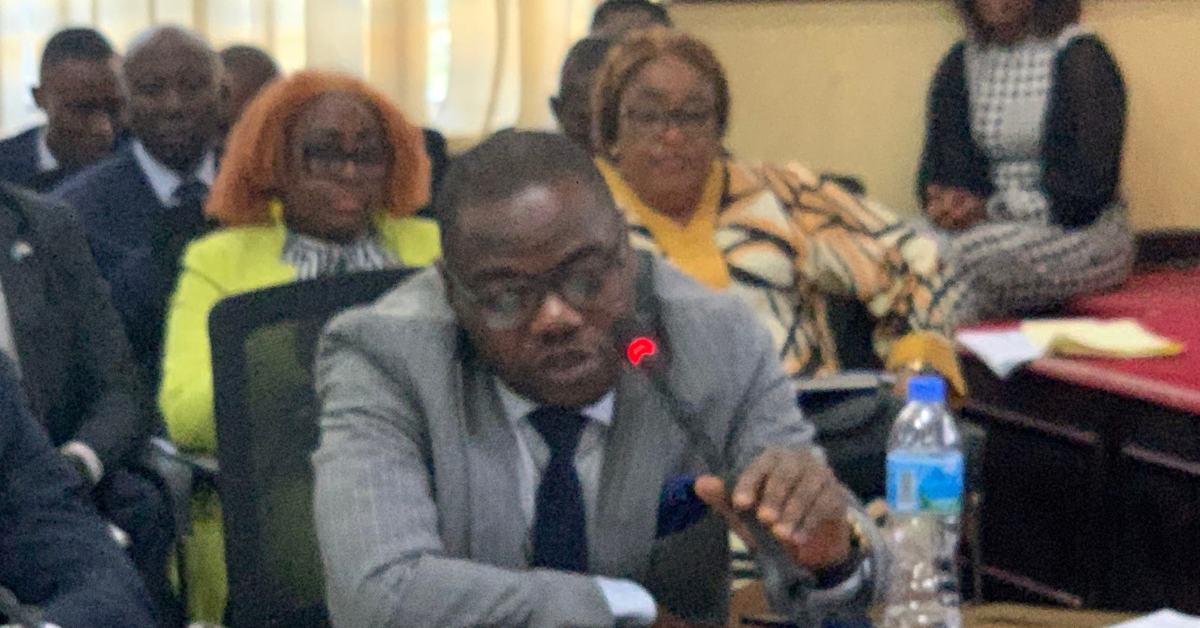
Sierra Leone’s Ministry of Foreign Affairs has tabled a Le358.5 million budget proposal for the 2026 fiscal year, overshooting its official ceiling by more than Le73 million, sparking debate over fiscal discipline and government spending priorities.
The proposal was unveiled during the Finance Ministry’s budget hearing on September 22, 2025, at its George Street headquarters in Freetown. The session attracted representatives from the Budget Oversight Committee, civil society organizations, non-state actors, and the media, all monitoring how the Ministry intends to balance its diplomatic ambitions with the country’s tightening public finances.
According to ministry officials, the budget aims to cover a wide range of strategic expenditures including:

Rent payments for Sierra Leone’s foreign missions.
Facilitation of official international travel.
Procurement of vehicles to strengthen diplomatic operations.
ICT upgrades and digital transformation of the Ministry’s systems.
A major focus is the implementation of the Foreign Service Bill and infrastructure upgrades at diplomatic missions in Berlin, Brussels, Banjul, Monrovia, and other key capitals.
The proposed Le358,534,522 expenditure compares with a ceiling of Le285,213,700 — a 25% increase that raised concerns from oversight bodies about the Ministry’s fiscal discipline.
Deputy Director General Franklyn Brima Fawundu defended the proposal, insisting the Ministry’s plans were both reasonable and necessary:
“There is so much coming within the budget year. We believe this budget is reasonable. We need financial support to thrive and effectively carry out our diplomatic responsibilities,” Fawundu said, urging government authorities to approve the allocation.
Emmanuel M. Sandy, Director of Administration and Finance, reinforced the Ministry’s argument, noting its central mandate of promoting international cooperation, safeguarding peace, upholding international law, and negotiating agreements.
“These goals,” Sandy said, “are in line with Sierra Leone’s ambition of reaching middle-income status. Our work is guided by inclusiveness and equality as guaranteed in the 1991 Constitution.”
The Ministry pointed to notable achievements in FY2024, including:
Passage of the Foreign Service Bill.
Sierra Leone’s active role as non-permanent member of the UN Security Council (2024–2025).
Infrastructure development projects at overseas missions.
For FY2026, the Ministry’s strategic goals include chairing ECOWAS, expanding Sierra Leone’s global diplomatic presence, upgrading ICT infrastructure, and completing construction and rehabilitation of embassies in Ghana, Belgium, Liberia, Germany, The Gambia, and the UK.
Despite the ambitious agenda, critics caution that exceeding the budget ceiling could undermine broader government efforts to enforce fiscal discipline and efficient resource allocation. With limited funds competing across ministries, the debate underscores the challenge of balancing Sierra Leone’s economic growth agenda with its diplomatic aspirations.
The government will now weigh the Foreign Ministry’s request against national priorities as the 2026 budget moves toward final approval.