

Forcibly Testing Children for DNA in Paternity Disputes – A Human Rights Concern
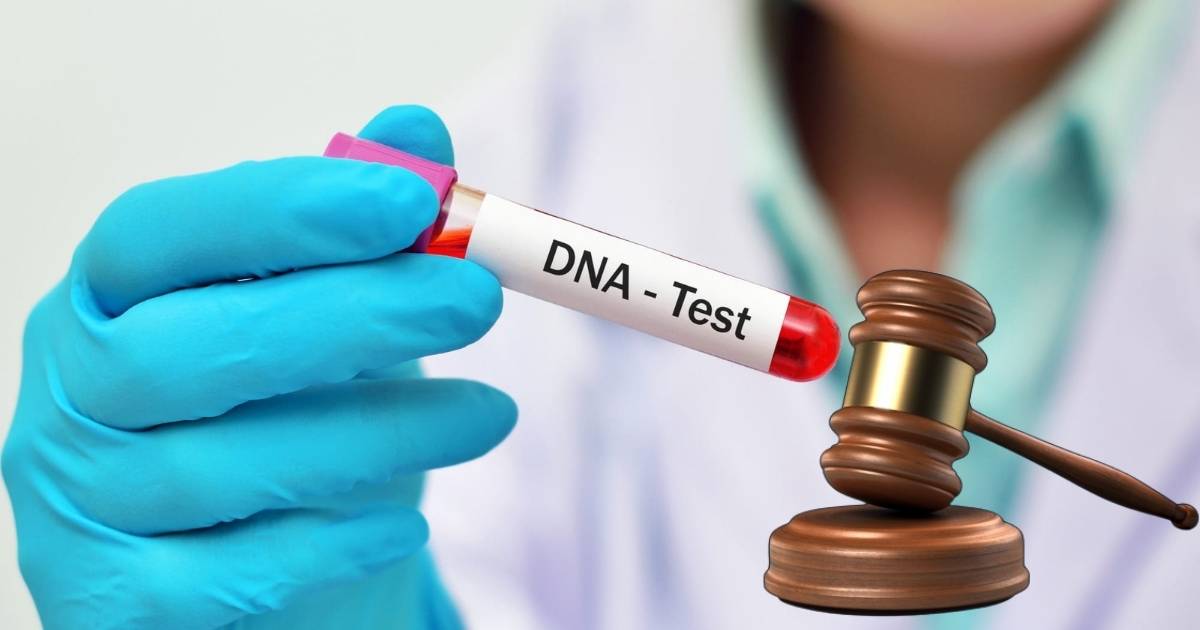
On 6 October 2025, the High Court of Sierra Leone issued an order in the case of Mohamed Alhaji Momoh-Jah Stevens v. Edwina Hawa Jamiru (Misc. App. 233/25; 2025 S. No. 17), directing that a DNA test be conducted on a six-month-old child to determine paternity.
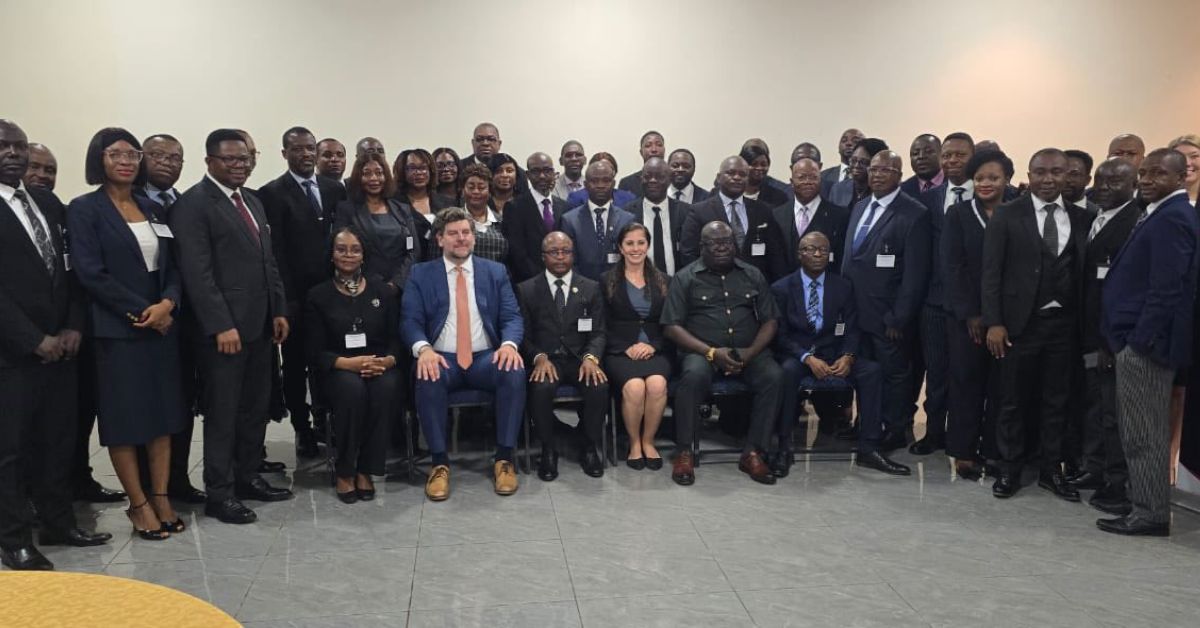
The ruling, delivered by Justice Augustine K. Musa, (in the photo below) authorises samples to be collected from the child and the defendant “voluntarily or by force” to confirm whether the plaintiff, a sitting Court of Appeal judge, is the biological father.
While the court’s intent to clarify parentage and secure the child’s rights is understandable, the inclusion of “by force” raises serious ethical and human rights concerns. Under both international law and Sierra Leone’s legal tradition, forcibly testing a child for DNA should remain an absolute last resort.

The High Court’s order requires DNA testing by reputable local and foreign laboratories, supervised by the Master and Registrar of the High Court. Representatives from the Ministry of Gender and Children’s Affairs and the Human Rights Commission are permitted to observe the process.


The testing aims to resolve whether Justice Stevens is the father of a child born in April 2025, which could determine the child’s entitlement to maintenance, inheritance, and identity.
Yet the directive that samples be taken “voluntarily or by force” implies that if the defendant, Ms Jamiru, resists, the court may enforce compliance through state authority. While the test itself, a cheek swab, is physically harmless, the idea of forced collection raises questions about bodily autonomy, dignity, and the emotional security of both mother and child.
Sierra Leone is a signatory to several human rights treaties, including the United Nations Convention on the Rights of the Child (CRC), the International Covenant on Civil and Political Rights (ICCPR), and the African Charter on the Rights and Welfare of the Child (ACRWC). These instruments establish that the best interests of the child must guide all judicial actions. Determining paternity can indeed serve a child’s best interests by clarifying identity and securing support.
However, coercive enforcement risks undermining those same interests by creating distress and damaging family bonds. The child’s right to privacy under CRC Article 16 and ICCPR Article 17, and protection from inhuman or degrading treatment under ICCPR Article 7 and ACRWC Article 16, must be considered carefully. Even minimal physical compulsion can become psychologically harmful when imposed through authority.
International law demands proportionality and necessity when a state interferes with personal rights. Any intrusion on bodily integrity must be justified by a compelling public aim and carried out in the least intrusive way possible. Justice Musa’s order includes safeguards, court supervision, clear laboratory protocols, and oversight by neutral bodies, but the express authorisation of force goes beyond what most human rights frameworks consider proportionate. Less coercive options should be exhausted before enforcement is contemplated.
Beyond legality, there are cultural and ethical dimensions specific to Sierra Leone. Paternity disputes are deeply personal and often carry social stigma. In many communities, public disclosure of such cases can lead to ostracism or harm to family reputation. Forcing a DNA test could inflame community tensions or stigmatise the child. The mother’s resistance may reflect distrust of the process or fear of social exposure rather than an intent to obstruct justice. The term “force” in the order therefore needs careful interpretation. If it refers to procedural enforcement, such as sanctions or supervised collection under judicial authority, it may be defensible. But any physical coercion would violate the child’s dignity and the mother’s autonomy.
There are alternatives that respect both legal objectives and human rights. Mediation or counselling could help address the mother’s concerns and achieve voluntary consent. The court could also apply adverse inferences, as in the United Kingdom’s Family Law Act 1986, where refusal to test allows judges to draw conclusions without coercion. Legal presumptions of paternity, if the alleged father has provided care or acknowledgment, can also resolve disputes without invasive testing. These approaches uphold the principle of minimal interference under ICCPR Article 17 while maintaining focus on the child’s welfare.
The High Court’s intention, to determine truth and secure a child’s legal rights, is legitimate. But the power to compel DNA testing must be exercised with restraint. Coercion risks eroding public trust in the judiciary and undermines Sierra Leone’s commitment to child-centred justice. The court should clarify that “force” refers only to procedural enforcement, never physical compulsion, and ensure that independent observers actively monitor for potential harm.
This case stands as a reminder that legal certainty should not come at the expense of human dignity. Upholding children’s rights requires not only scientific truth but compassion, sensitivity, and respect for the family’s emotional and cultural context.
So we are to uphold your long written speech at the expense of raising another man’s child huh
All these human rights nonsense that you’re bringing up makes no sense
I’m sure that you who’s written this have something to hide
Yes oh,he has something to hide
A man should not raising another man’s child when the father is alive
Mr if you denied the Word HUMAN RIGHTS that mean you don’t value your rights and God is the first defendant of Human Rights
Please note that today
My dear if child belong to the man,the lady should not be afraid of any test or may be the author knew the child doesn’t belong the judge because if not why should he do this kind of article
I think DNA is the way forward to settle paternal dispute in Sierra Leone.Government should make it reasonable for people.