

Government Set to Review of Matrimonial Law in Sierra Leone
 Sia Lucy Kannah
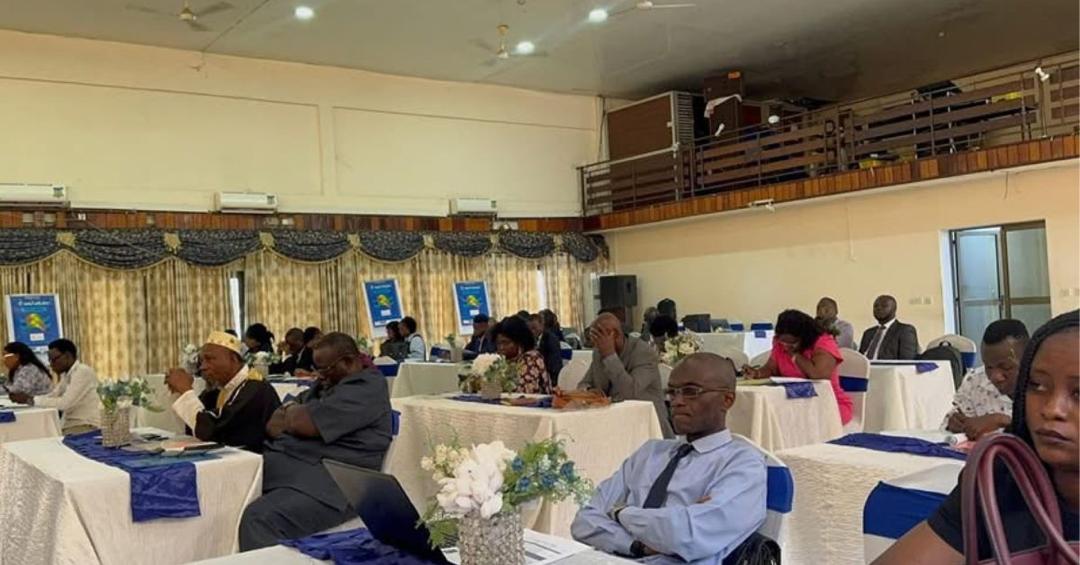
 The Ministry of Gender and Children’s Affairs has joined the Law Reform Commission, with support from the United Nations Development Programme (UNDP) in Sierra Leone, in the final national consultative meeting for the review of the Matrimonial Causes Act, CAP 102.
This engagement marks the culmination of a series of regional consultations held across the country to gather public and expert input on reforming the century-old legislation.
Representing the Honorable Minister, Dr Isata Mahoi, the Director of Planning and Strategic Policy, Mr Ibrahim Kamara, delivered the keynote address. He underscored the urgent need to modernize the Matrimonial Causes Act to reflect contemporary realities and align with Sierra Leone’s Mid-Term National Development Plan and international human rights obligations.

Mr Kamara highlighted the Ministry’s notable strides in advancing gender equality through progressive legislations such as the Gender Equality and Women’s Empowerment (GEWE) Act, 2022, which guarantees 30% representation of women in public and elective offices and promotes women’s access to employment, finance, and social inclusion.

He further noted that while significant progress has been achieved through laws such as the Domestic Violence Act (2007), Devolution of Estates Act (2007), Registration of Customary Marriage and Divorce Act (2009), Sexual Offences Act (2012, amended 2019), and the Prohibition of Child Marriage Act (2024), gaps remain in effective implementation and enforcement.
Reviewing the Matrimonial Causes Act, 1863, he said, is therefore a crucial step toward eliminating discriminatory provisions and ensuring equal rights for women in marriage and its dissolution, consistent with Article 16 of the Convention on the Elimination of All Forms of Discrimination Against Women (CEDAW).
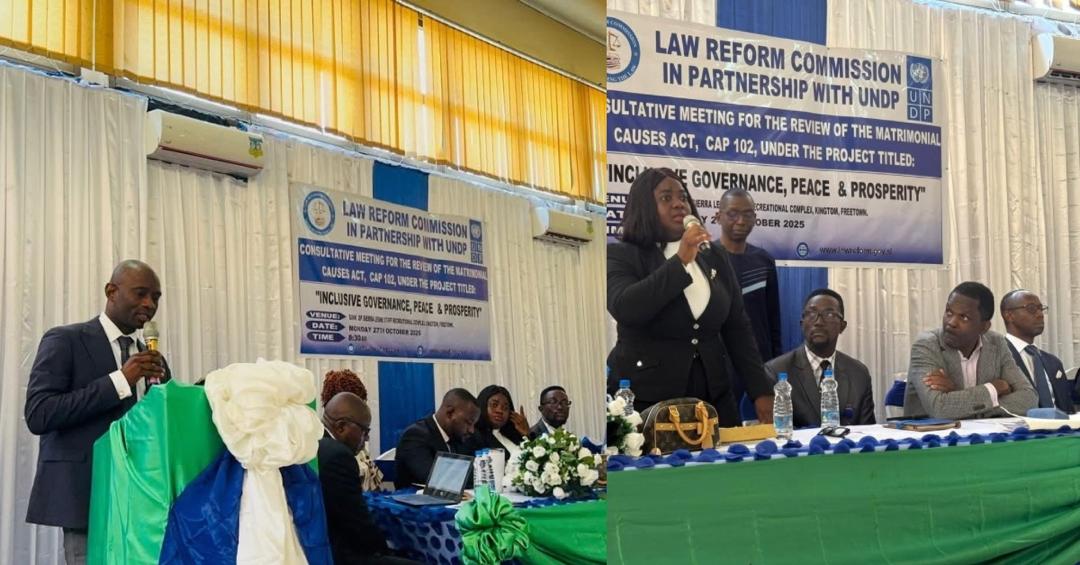 The Ministry reaffirmed its unwavering commitment to the review process and to the broader goal of promoting gender justice and equality. The consultative process demonstrates the Government of Sierra Leone’s continued dedication to protecting women’s rights, strengthening family law, and ensuring inclusive socio-economic development for all.
The meeting also served as a learning platform, where legal experts elaborated on the historical context, rationale, and proposed reforms to the Act, particularly regarding divorce, nullity, judicial separation, alimony, division of matrimonial property, and child custody.
What disgusts me most is when the so-called gender equality laws are mostly against men. Even men are abused daily. Thank God there is matrimonial alimony. You signed that we are married.