


 Post a comment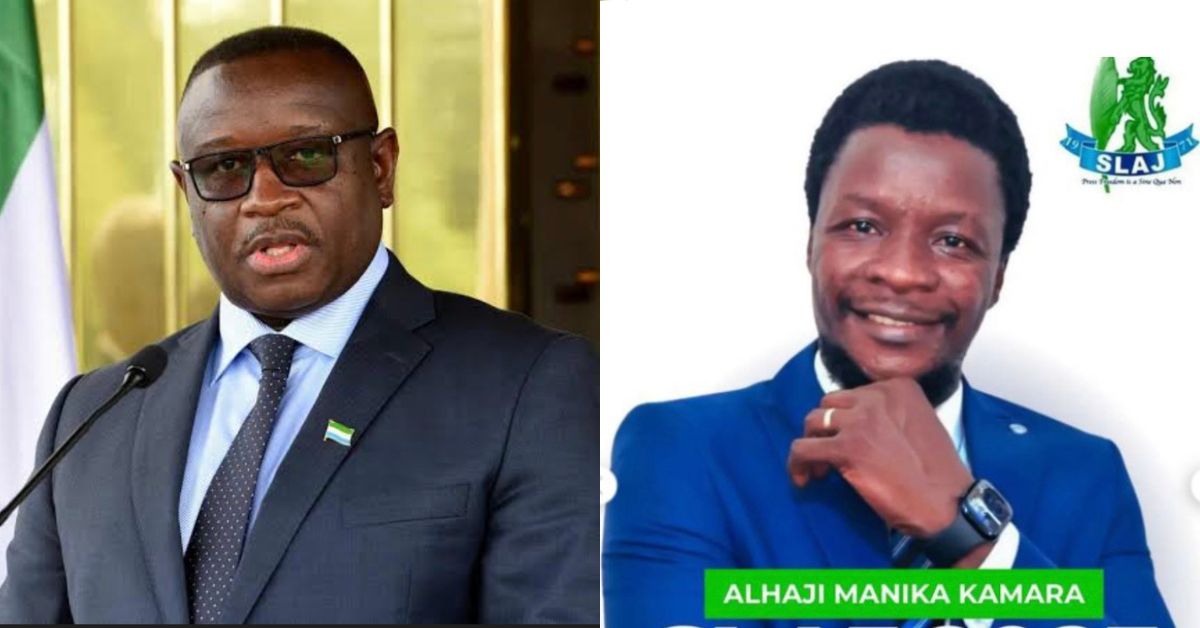
Sierra Leone’s President, Julius Maada Bio has announced that the government will increase its annual subvention to the Sierra Leone Association of Journalists (SLAJ) to 2.7 billion old Leones, up from 2.5 billion Leones, starting next year.
The announcement was made during the 7th annual Presidential Media Cocktail, an event dedicated to celebrating the media’s vital role in consolidating democracy and nation-building.
In his address, President Bio stressed his government’s continued commitment to press freedom and its support for collaboration between the media and the government.

“This increase is remarkable and will help address some of the longstanding challenges the media has faced,” President Bio remarked, admitting the government’s recognition of the media’s essential role in a functioning democracy.
The President also highlighted the substantial growth in the government’s support for the media over recent years. The subvention, which was just 200 million old Leones in 2020, has increased significantly in the last few years, reflecting the government’s dedication to strengthening the media sector.
This rise in funding also mirrors Sierra Leone’s notable improvement in the world press freedom index, which has seen the country move up 25 places since 2017.
Speaking on the broader significance of the media’s role, President Bio called on journalists to place humanity at the center of their work. “Keep infusing your work with creativity and journalism,” he urged the press, encouraging them to remain focused on promoting the public good while contributing to national progress.
The announcement of the subvention increase is seen as a positive step towards enhancing media independence and addressing the financial challenges that have historically hindered the effectiveness of the press in Sierra Leone.
While some analysts have praised the government for their support, others have called on the government to increase the protection of journalists in the country. Others have questioned the independence of the media after the announcement of the subvention was made.
“This just showed that a poor press cannot be free,” one journalist remarked.


