

Fishing Communities Raise Concerns Over Hardship as Government Set to Suspend Artisanal Fishing
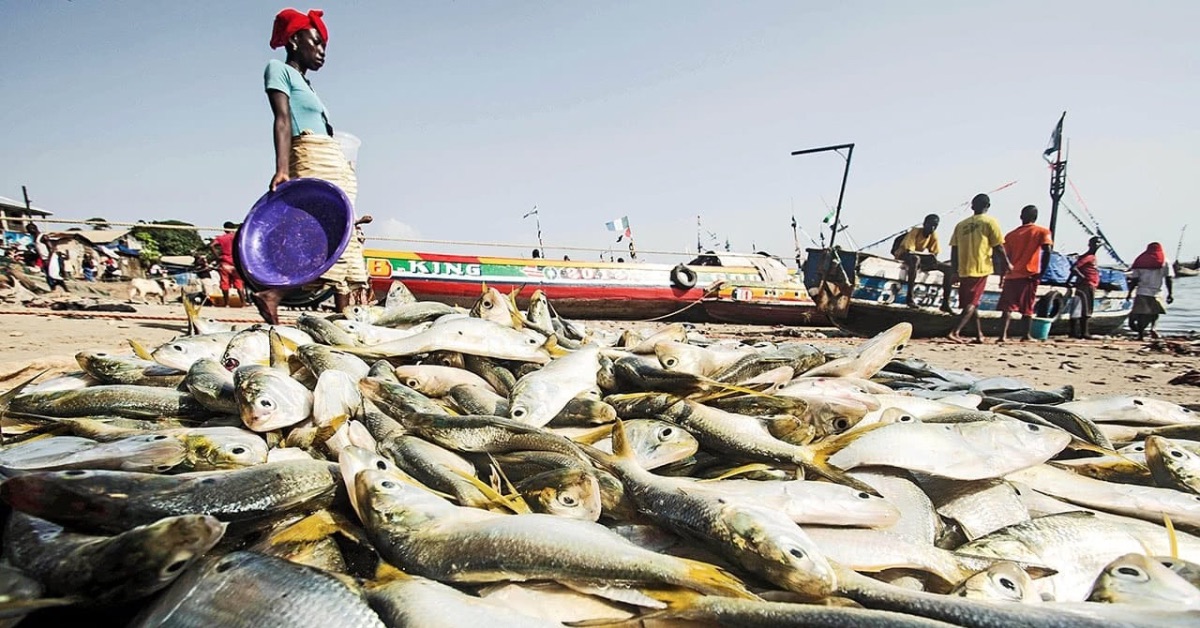
Fishermen and fishmongers at Funkia, England Ville Wharf, have expressed growing fear and frustration as the government prepares to enforce a one-month suspension of artisanal fishing, known as the “closed season,” scheduled to take effect in February 2026.
Artisanal fishing remains the main source of livelihood for thousands of families in Sierra Leone’s coastal communities. In areas such as Funkia Wharf, fishing is not only a means of survival but the foundation of household income, education, and daily sustenance.
According to the Feed Salone Strategy for the Fisheries and Marine Resources 2025 report developed by the World Bank, “the fisheries sector is of great economic importance and provides livelihoods for about 14 percent of Sierra Leone’s population, with women playing key roles in processing and trade.” The report also notes that fisheries contribute significantly to the country’s Gross Domestic Product, highlighting the sector’s importance to national development.

Despite this, as reported by Truth Media, residents of Funkia Wharf say the planned suspension threatens their survival. Apiah Mensah, a fisherman who has lived in the community for more than 30 years, said fishing is the only skill he knows.
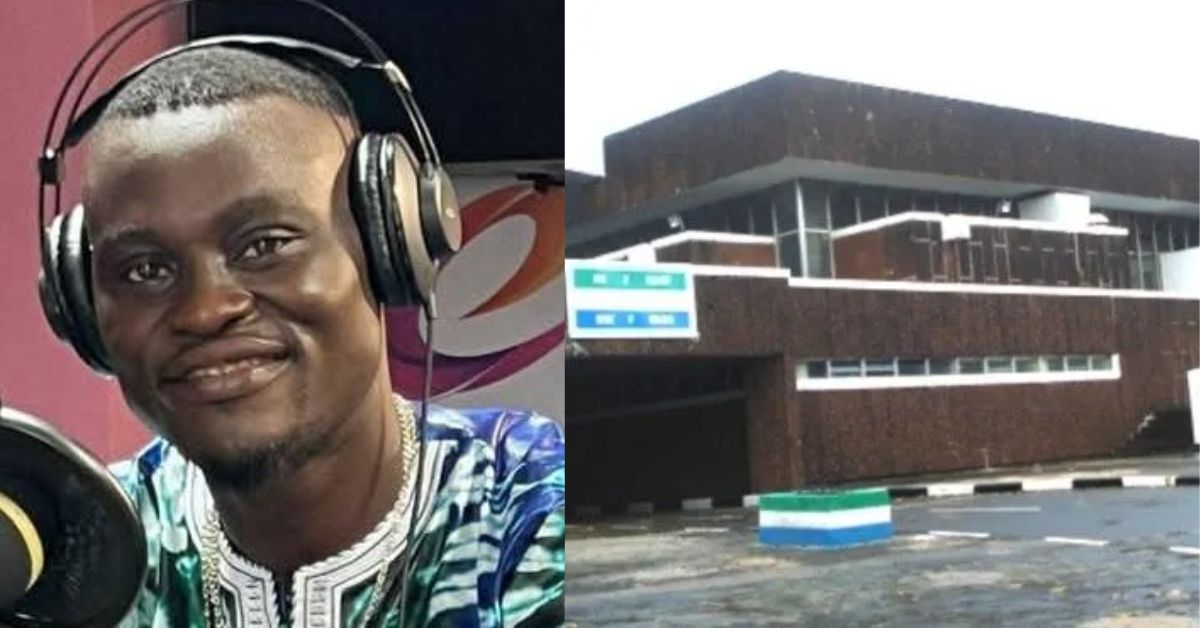

“I’ve lived in this community for over three decades and fishing is the only thing I know,” Mensah said. “It has sustained me and my family for years. I never went to school, but through fishing I have been able to educate my children. Without it, we have nothing.”
Similar concerns were raised by fishmongers, many of whom depend entirely on daily fish sales. Fatmata Conteh, whose parents are both engaged in the fishing trade, said the suspension will directly affect her family’s ability to survive.
“My mother is a fishmonger and my father is a fisherman,” Conteh said. “Their occupation is what feeds us, what pays for our schooling. Fishing is what brings food to the table.”
Single mother Aminata Sesay described fish trading as her only source of income. “I have been a fishmonger for over a decade. Selling fish is the only way I can provide for my children. Without it, I don’t know how we will survive,” she said.
Another fishmonger, Kadiatu Bangura, said her husband’s unemployment has left her as the sole provider for her family. “Selling fish is what sustains my family. If the wharf closes, we are left with nothing,” she said.
The closed season policy is part of the government’s fisheries management efforts under the Feed Salone Strategy, aimed at protecting declining fish stocks. The World Bank report estimates that Sierra Leone’s fisheries produce about 250,000 metric tons of fish annually but warns that climate change and overexploitation have led to declining fish biomass, threatening food security and livelihoods.
Fishermen however argued that the conservation measure comes at a heavy social cost. “The closed season makes life unbearable,” Mensah said. “We struggle to get a daily meal. If our only source of income is withheld for an entire month, how can we survive?”
Some fishermen told Truth Media reporter that previous closed seasons forced them to migrate temporarily to neighboring Guinea, while others are considering leaving this year. The situation is further worsened by the increase in fishing license fees, which have risen from 1,000 new Leones to 3,000, a cost many say they cannot afford.
Boat master Bangalie Sankoh said this year’s suspension will coincide with the Muslim holy month of Ramadan, deepening concerns. “The closed season lasts for a month, and this year it will collide with Ramadan,” he said. “As a Muslim, I wonder how I will feed my family during such a sacred time.”
Residents also recalled unmet promises of government support during previous bans. Fatmata Conteh said expected food assistance never materialized. “We were told we would receive food supplies last year, but nothing came,” she said. “We even paid for coupons, but no help arrived. Only boat masters got a bag of rice each.”
She added that the lack of fish supply affects the wider community. “When the wharf is closed, business becomes stiff, crime rises, and young people turn to petty theft just to eat,” she said, noting that poor catches in January made it impossible for families to save ahead of February.
Community members warn that women, who dominate fish processing and trade, suffer the most during the closed season as their businesses come to a halt. They are calling on the government to provide reliable food supplies, financial support, and alternative livelihood options during the suspension.
As February approaches, fishermen and fishmongers at Funkia Wharf say they are bracing for another month of hardship, hoping their concerns will be addressed before the suspension further deepens poverty in the community.