

NPPA, BAN Join Forces to Monitor Public Procurement
 Valentine Benjamin Conteh
 The National Public Procurement Authority (NPPA) and the Budget Advocacy Network (BAN) have taken steps toward piloting a citizen-led system to monitor public procurement processes in Sierra Leone.
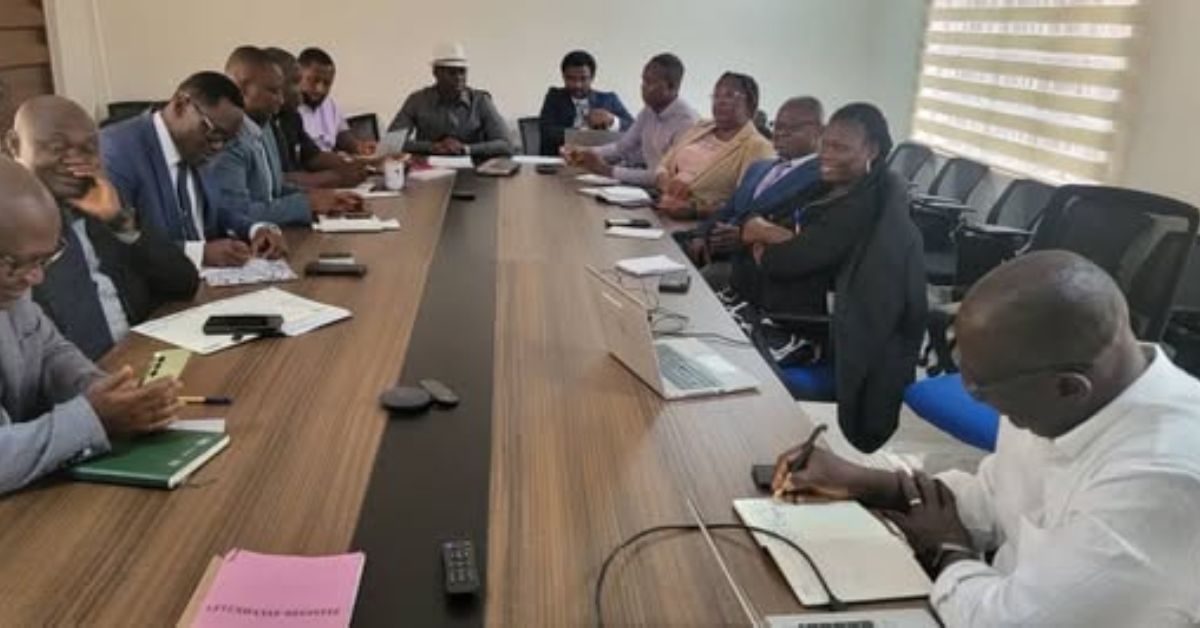
The move followed an inception meeting held on Tuesday, during which BAN presented draft proposals for a technology-driven procurement monitoring initiative.
Chairing the meeting, NPPA Executive Director Fodie J. Konneh said the Authority is institutionally committed to empowering non-state actors to monitor public procurement on behalf of citizens. He explained that civil society should be able to track the entire procurement cycle, from bid opening through to contract award, describing the initiative as part of NPPA’s broader reform agenda.

Mr. Konneh said collaboration with BAN presents an opportunity to strengthen transparency and public confidence in procurement processes. He noted that civil society organisations can help demonstrate NPPA’s commitment to openness, citizen participation, and accountability.


He encouraged BAN to scale up procurement advocacy, pointing out that a significant portion of the national budget is spent through procurement and can be effectively monitored through audits. He stressed that procurement should not be viewed merely as a technical exercise but as a process that directly affects citizens through the delivery of public goods, works, and services.
The NPPA Executive Director also called for support toward establishing a procurement research centre that would provide both physical and digital access to information. Such a centre, he said, would promote evidence-based advocacy and enhance public understanding of procurement systems. He added that BAN’s independence makes it a credible platform for development partners and donors interested in supporting transparency reforms.
Mr. Konneh further stated that procurement laws are designed to prevent secrecy and that key information should not be concealed. While acknowledging that NPPA cannot be present everywhere, he said non-state actors can play a complementary role by providing checks and balances where the regulator’s reach is limited.
He noted that although pressure may sometimes come from ministries, civil society remains credible as long as there are no conflicts of interest or financial interference. NPPA, he said, is willing to support monitoring efforts through training, capacity building, and access to information.
Speaking on behalf of BAN, Coordinator Abu Bakarr Kamara said the organisation realised during its recent strategy development process that procurement governance had received limited attention, despite its importance to service delivery.
He said BAN has now resolved to prioritise procurement governance but will not undertake any procurement-related activities without NPPA’s technical guidance and leadership. He described the proposal as a draft pilot concept developed following consultations with development partners, including the European Union, Irish Aid, and the World Bank.
The proposed pilot is expected to run for three years, with BAN open to NPPA’s advice on implementation areas, sector focus, and scaling options.
NPPA management welcomed the proposal, noting that it aligns with the Authority’s mandate to promote accountability, value for money, and compliance with procurement regulations. They suggested including high-spending institutions such as the Sierra Leone Roads Authority to achieve visible and measurable results.
Both parties agreed to formalise the partnership through a Memorandum of Understanding outlining roles, limits, and areas of collaboration, particularly as existing laws do not explicitly define the role of civil society in procurement monitoring. Under the proposed arrangement, BAN’s activities would be treated as a delegated function with NPPA’s institutional backing.