

U.S. Based Lawyer Calls on President Bio to Honour ECOWAS Court Ruling on Former VP Sam-Sumana
 Osman Tolo Sesay
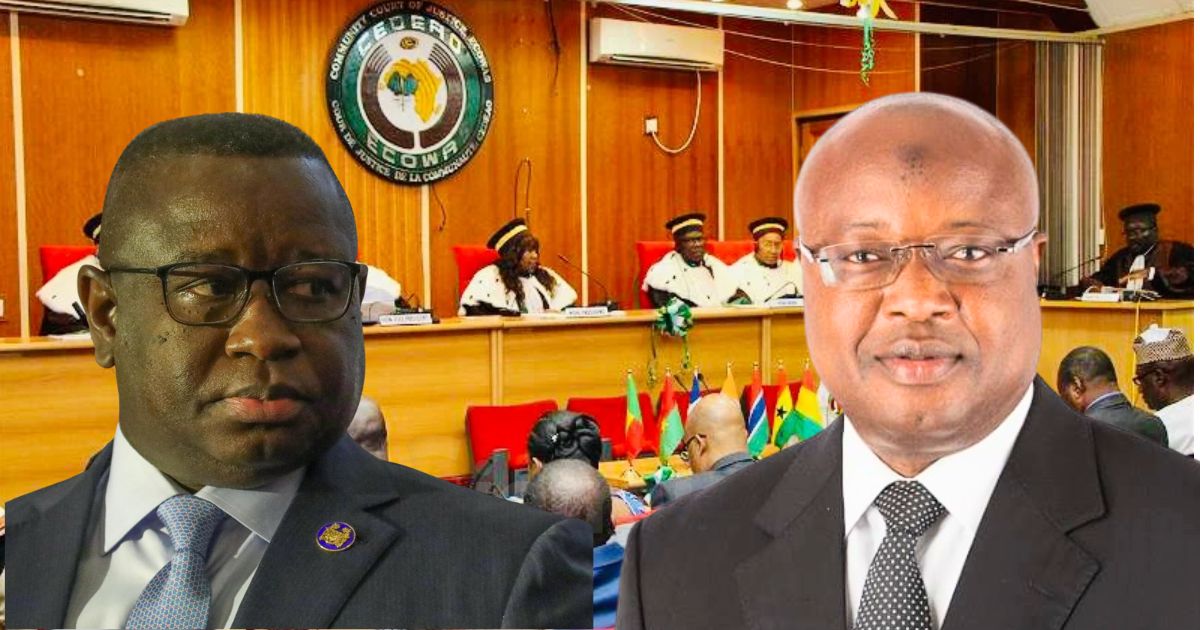
 Joseph Ambrose Massaqoi, a US-based legal practitioner, has urged the government of Sierra Leone to implement the 2017 ruling of the ECOWAS Court of Justice in the case of former Vice President Chief Samuel Sam-Sumana.
In a letter addressed to the President of Sierra Leone, Julius Maada Bio, and the ECOWAS Heads of State and Government, Massaqoi emphasized the legal, political, and regional obligations tied to the judgment.
The appeal comes in the wake of remarks made by Sierra Leone’s Chief Minister, Dr. Moinina David Sengeh, during the 50th Anniversary of the Awada School in Bo on 29 January 2026. Dr. Sengeh recalled his cordial relationship with Sam-Sumana and highlighted that the nation continues to “pay the price” for the former Vice President’s removal and the subsequent ECOWAS ruling in his favour.

The ECOWAS Court of Justice, established under Article 15 of the Revised Treaty of ECOWAS, ruled that Sam-Sumana’s 2015 removal violated his human rights, including his rights to fair hearing and political participation. The Court ordered Sierra Leone to remedy these violations. Sierra Leone ratified the ECOWAS Treaty in 1975 and the 1991 Protocol establishing the Court in 2000, thereby submitting to its jurisdiction.

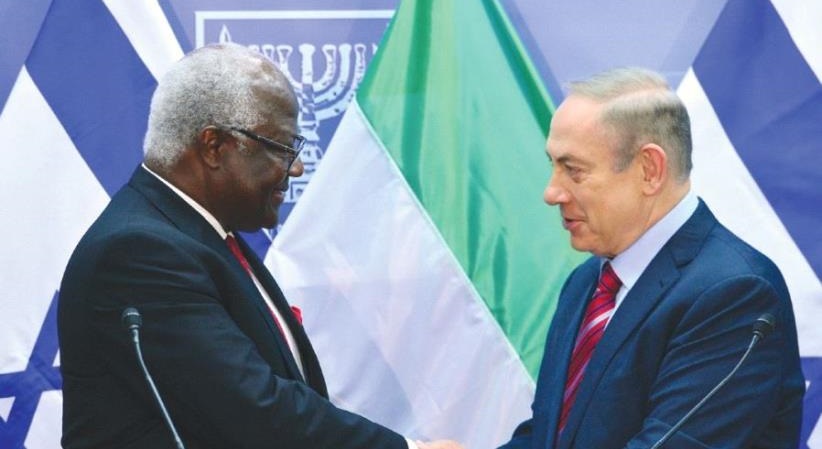
Massaqoi noted that President Bio, prior to his election, publicly pledged to honour the ECOWAS Court judgment. He highlighted the significance of this commitment given that President Bio currently serves as the Chairman of the ECOWAS Authority of Heads of State and Government. Massaqoi stressed that non-compliance could undermine both Sierra Leone’s credibility and the authority of ECOWAS judicial institutions.
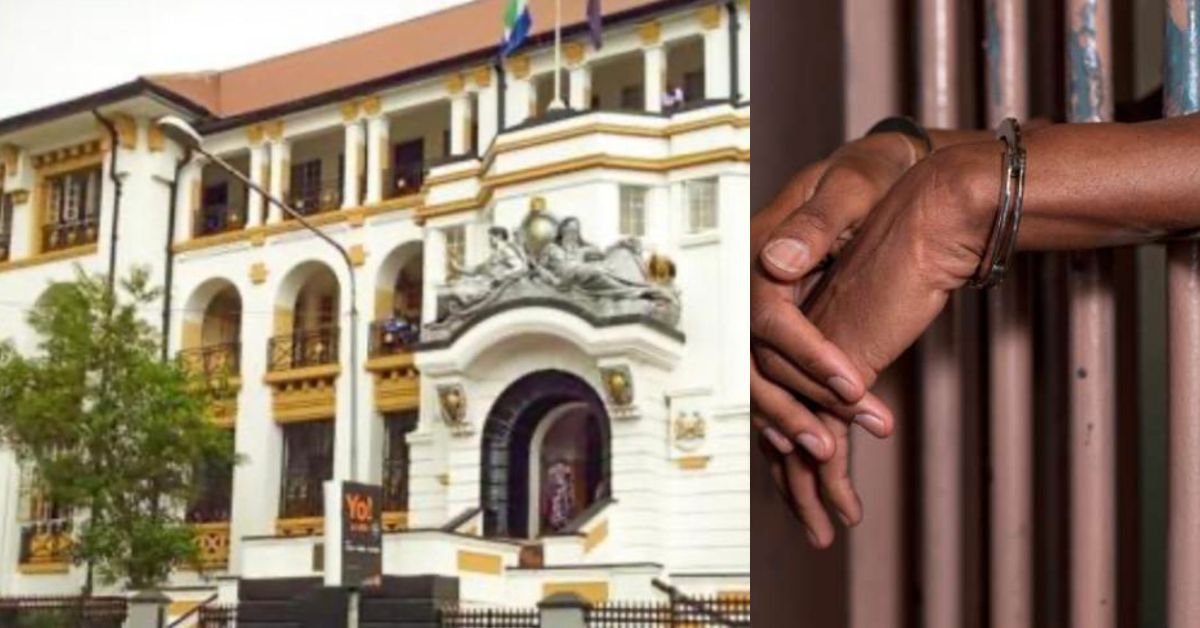
The case of Sam-Sumana is legally distinct from his domestic Supreme Court challenge. The Supreme Court ruled in 2015 that the President had constitutional authority to remove the Vice President, while the ECOWAS Court later found that the manner and consequences of the removal breached Sam-Sumana’s internationally protected rights. Legal experts note that compliance with the ECOWAS ruling is independent of the Supreme Court decision and represents an obligation under international law.
Sierra Leone’s government has previously complied with ECOWAS rulings, notably in the 2008 case of Mohammed Wanza vs. Government of Sierra Leone. Critics argue that selective compliance, such as disputing the Sam-Sumana judgment, risks creating perceptions of legal inconsistency.
Massaqoi concluded that honouring the ECOWAS Court ruling, including payment of outstanding salaries and retirement benefits, represents not only a legal duty but also an opportunity for President Bio to demonstrate consistency between national leadership and regional obligations.
The government of Sierra Leone has yet to announce a position on the implementation of the ECOWAS judgment in Sam-Sumana’s case.
If the campaign money is not enough, he should wait APC to come to power, or better though, wait after 2028 elections