

Gender Minister Isata Mahoi Voices Concerns Over Child Rights Act 2025, Pledges Commitment to Zero FGM
 Osman Tolo Sesay
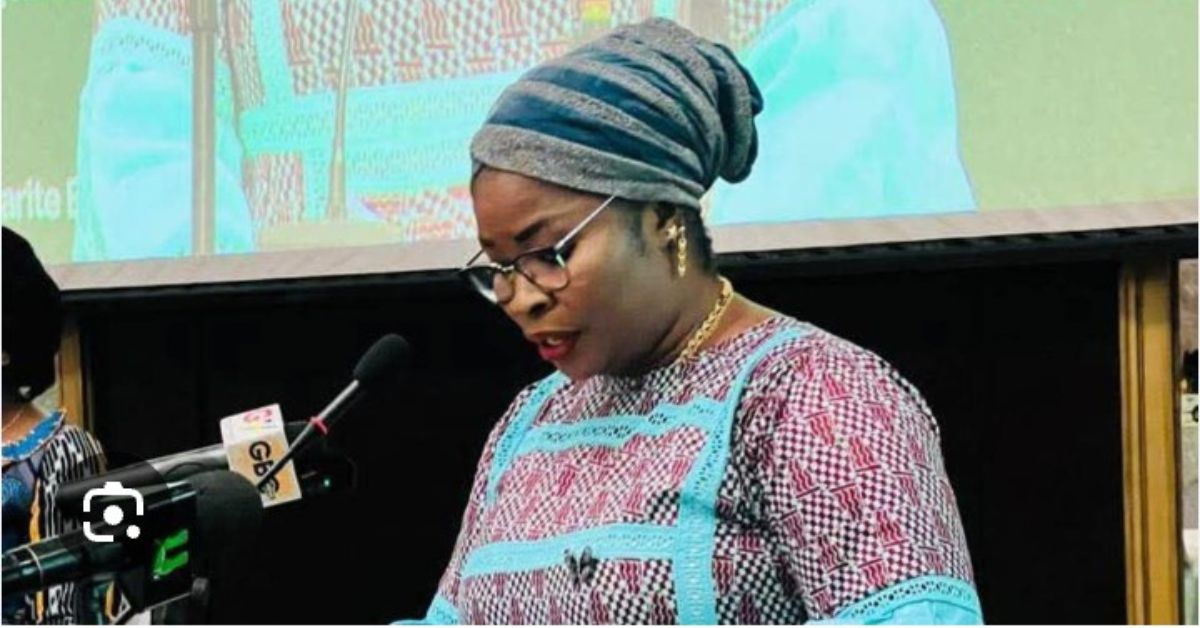
 The Minister of Gender and Children’s Affairs, Isata Mahoi, has expressed reservations about aspects of the Child Rights Act of 2025, stating that while the legislation marks significant progress, it does not fully address critical issues affecting girls.
Dr. Mahoi made the remarks during the launch of the seven-year EmpowerHER Project spearheaded by CAUSE Canada. The initiative, funded by Global Affairs Canada, is set to operate in 480 rural communities across seven districts in Sierra Leone.
Speaking at the event, Dr. Mahoi acknowledged advancements in the country’s legal framework but noted lingering gaps in child protection. “I have my reservations about the Child Rights Act and I may not be happy, but as a government we have come a long way in changing the laws. I intend to work to ensure Zero FGM in Sierra Leone in the future,” she said.

The EmpowerHER Project has been described by stakeholders as a national effort aimed at promoting dignity, equality, and opportunity for girls and women. According to organizers, the programme will address harmful traditional practices, promote access to education, and support economic empowerment initiatives designed to strengthen community development and advance gender equality.

Civil society organizations have also raised concerns about the scope of the Child Rights Act of 2025. Advocacy groups argue that while the law represents progress, it does not go far enough in prohibiting practices such as female genital mutilation (FGM), and they continue to call for stronger legal safeguards to protect girls.
Dr. Mahoi’s comments highlight the ongoing debate surrounding child protection reforms in Sierra Leone. While legislative changes have been introduced in recent years, stakeholders acknowledge that implementation and enforcement remain central to achieving lasting impact.
The Minister’s commitment to pursuing Zero FGM underscores the government’s stated intention to strengthen protections for girls, even as discussions continue about potential amendments and policy improvements to close existing gaps in the law.