

Sierra Leone Army Commissions 70 Certified Female Drivers in Freetown
 Valentine Benjamin Conteh
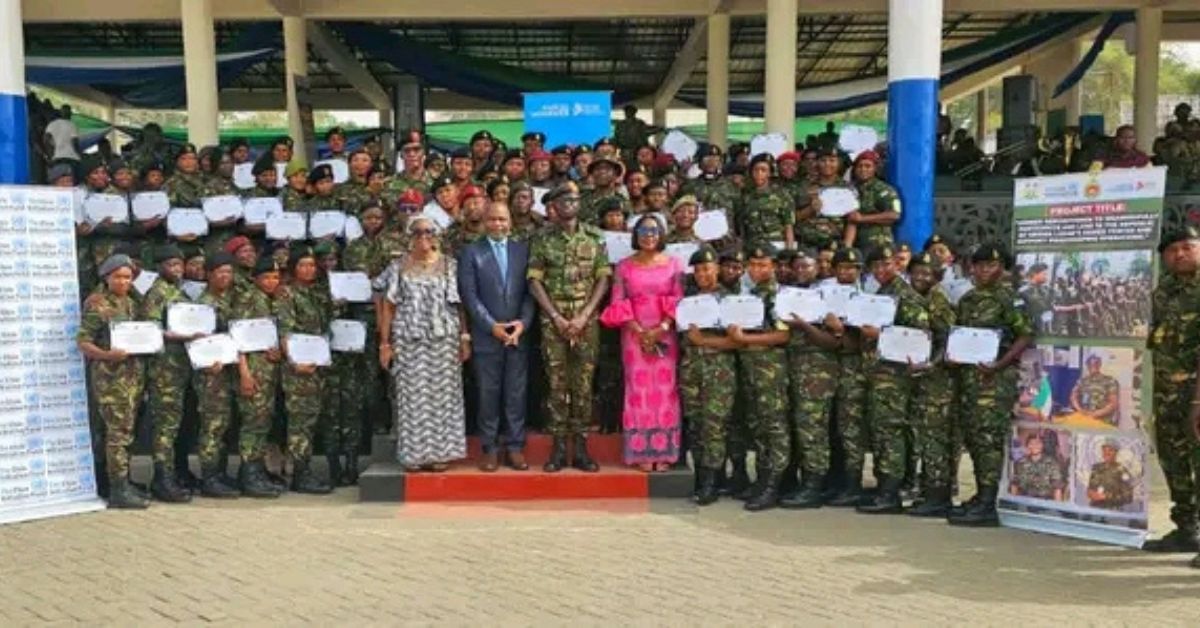
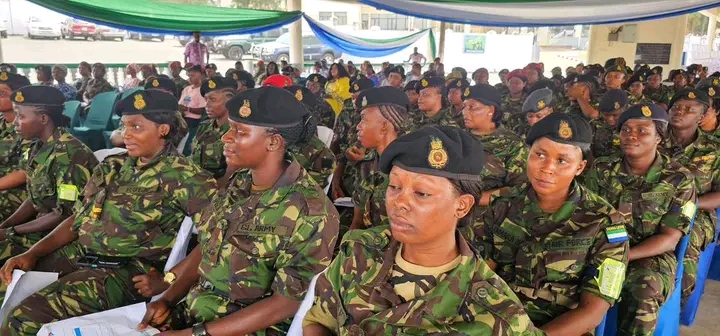
 Seventy women have been commissioned as certified drivers into the Republic of Sierra Leone Armed Forces (RSLAF) following the completion of a structured training programme aimed at strengthening female participation in the security sector.
The commissioning ceremony, held on Tuesday at the Hockey Pitch Ground in Freetown, was witnessed by representatives of the Ministry of Gender and Children’s Affairs (MoGCA) and UN Women.
Delivering the welcome address, Captain S.P. Turay described the event as a significant step toward expanding operational skills among female personnel within the force.

She said the women underwent rigorous theoretical and practical training designed to equip them with transferable skills applicable both within and beyond the military structure. She also acknowledged the support of UN Women and MoGCA in facilitating the initiative.

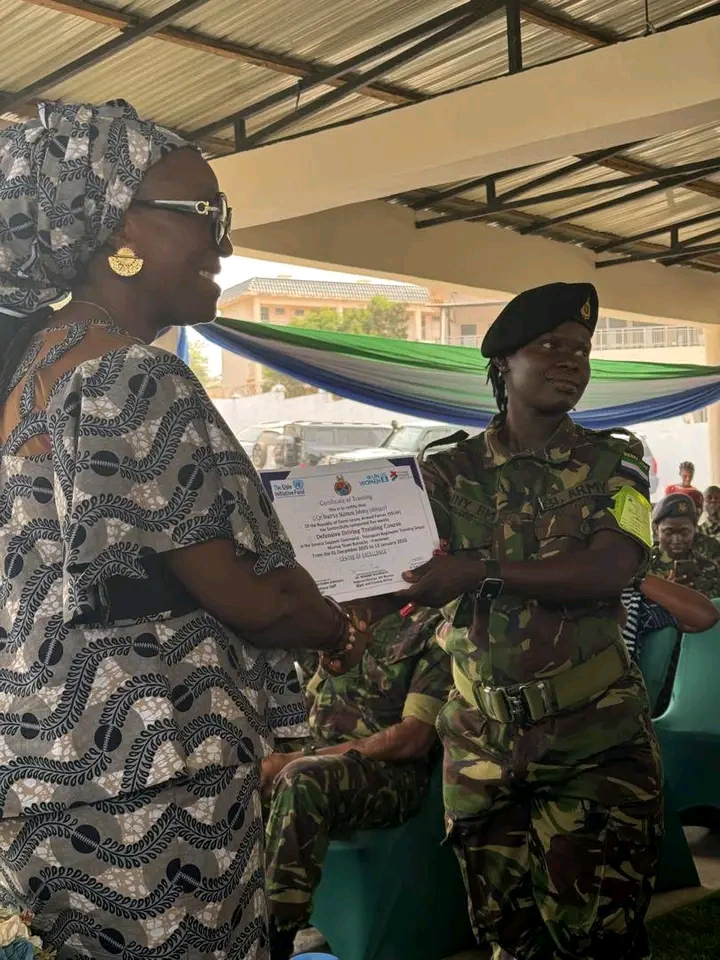
Deputy Director Hannah Lahai Robinson, representing MoGCA, said the training aligns with Sierra Leone’s commitments under United Nations frameworks on women, peace and security. She referenced United Nations Security Council Resolution 1325, noting that the inclusion of women in peace and security institutions remains a national priority under the country’s third-generation action plan.
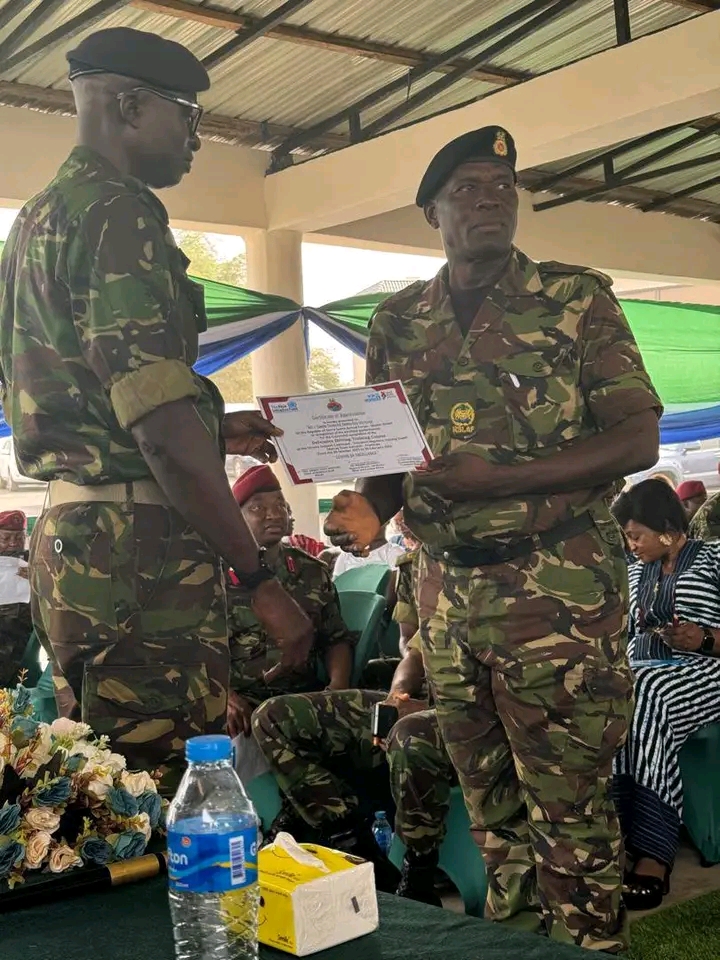
Dr. Maxime Houinato of UN Women stated that capacity building remains central to advancing women’s participation in leadership and professional roles. He urged the newly certified drivers to uphold professionalism and ethical standards in the discharge of their duties.
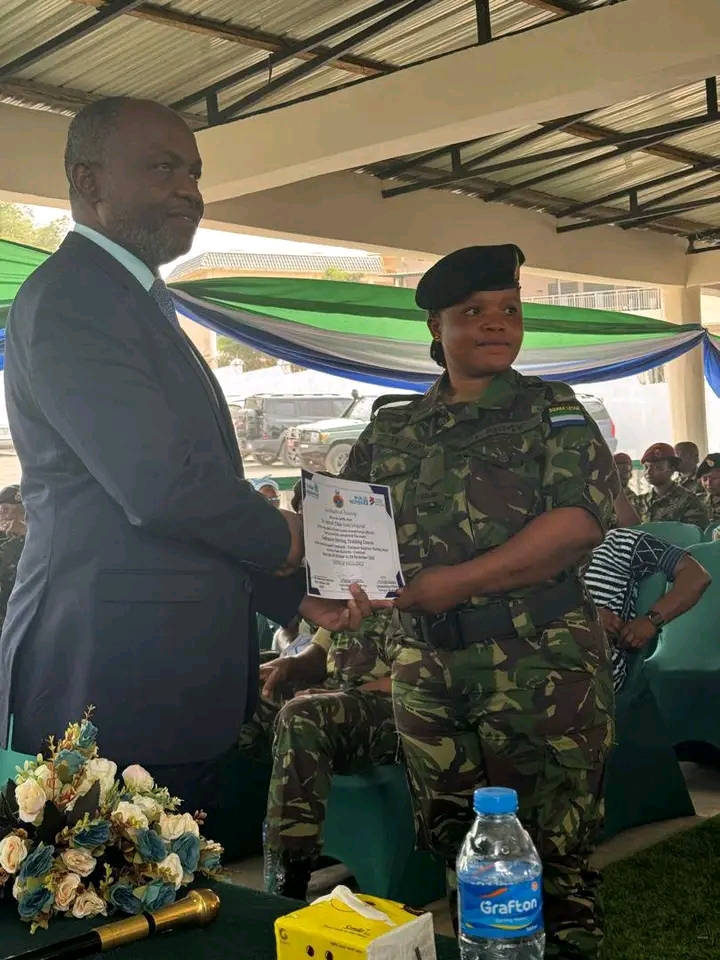
Deputy Chief of Defence Staff Sahr David Thomas Ngaogiah described the commissioning as a milestone for the armed forces, noting that the women will contribute to improving mobility, logistics coordination and operational readiness. He commended the trainees for completing the programme and encouraged them to serve diligently.
The ceremony included practical driving demonstrations by the newly commissioned personnel, followed by the presentation of certificates to the 70 graduates.
Officials said the initiative forms part of broader efforts to increase women’s representation and participation in national security institutions.