

Prominent Sheikh, ATK Urges Government to Reduce Fuel Prices Amid Rising Cost of Living
 Sorie Abubakar
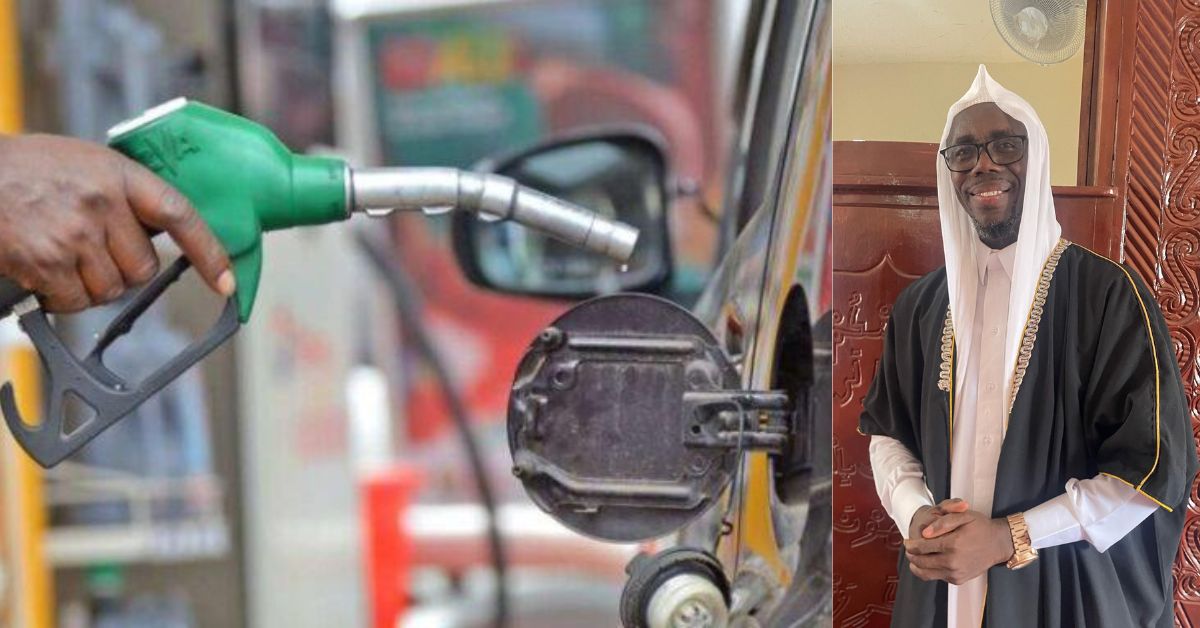
 Popular Muslim cleric, Sheikh Alusine Tejan Kamara widely known as ATK, has called on the Government of Sierra Leone to intervene and address the rising cost of living, particularly the recent increase in fuel prices.
The appeal was made during his Friday sermon at the Masjid Bun Afan Mosque in Aberdeen, Freetown, where he spoke about the economic hardships currently facing many Sierra Leoneans.
According to the cleric, the increasing cost of living across the country is largely driven by the surge in fuel prices, which has recently risen from Le28.5 to Le32 per litre. He urged authorities to consider reducing the price in order to ease the burden on citizens.

“The rising cost of living is predicated on the surge in the cost of fuel, especially recently,” Sheikh Kamara said during the sermon. “We are pleading with the government to reduce the fuel cost as things are not easy in the country currently.”

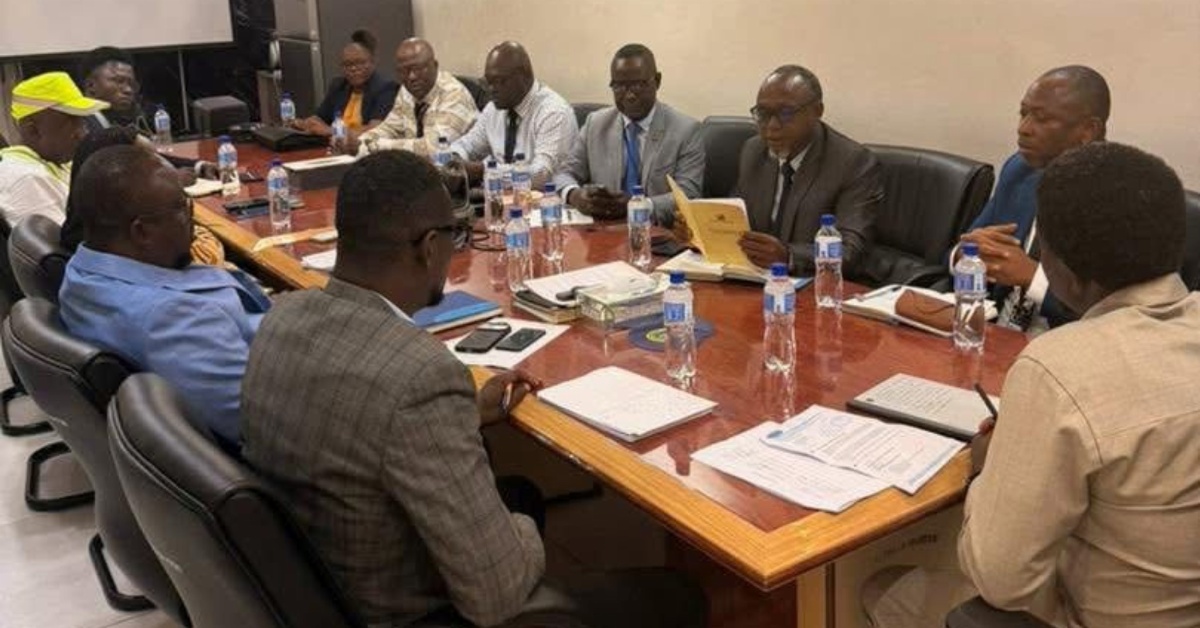

The latest price adjustment comes amid escalating tensions in the Middle East involving Iran, Israel and the United States, a situation that has contributed to instability in global oil markets. However, the cleric questioned the justification for the increase, noting that government officials had earlier indicated that Sierra Leone had a reserve stock of fuel available before the outbreak of the conflict.
Some citizens have also raised concerns about the possibility of fuel hoarding, which they fear could further worsen the situation.
“As I am speaking, there might be people hoarding fuel currently to create scarcity so that the price could surge to Le35,” the Sheikh said. “The government should not let the price of fuel surge any further because people are already suffering.”
Rising fuel prices often have a ripple effect across the economy, as transportation costs increase for commercial drivers, traders and businesses. This typically leads to higher prices for basic commodities, as transport fares and distribution costs rise, making it more expensive for traders to move goods from rural areas to urban markets.
For ordinary Sierra Leoneans, especially low-income earners, such increases can significantly reduce purchasing power and make daily life more difficult. With many households already struggling to cope with inflation and limited income opportunities, further increases in fuel prices could deepen economic hardship and place additional pressure on families trying to meet their basic needs.
Truly, the sheikh’s statement is fact and need urgent consideration if only government can do the needful! Sierra Leoneans are suffering especially majority of people who are suffering.