Post a comment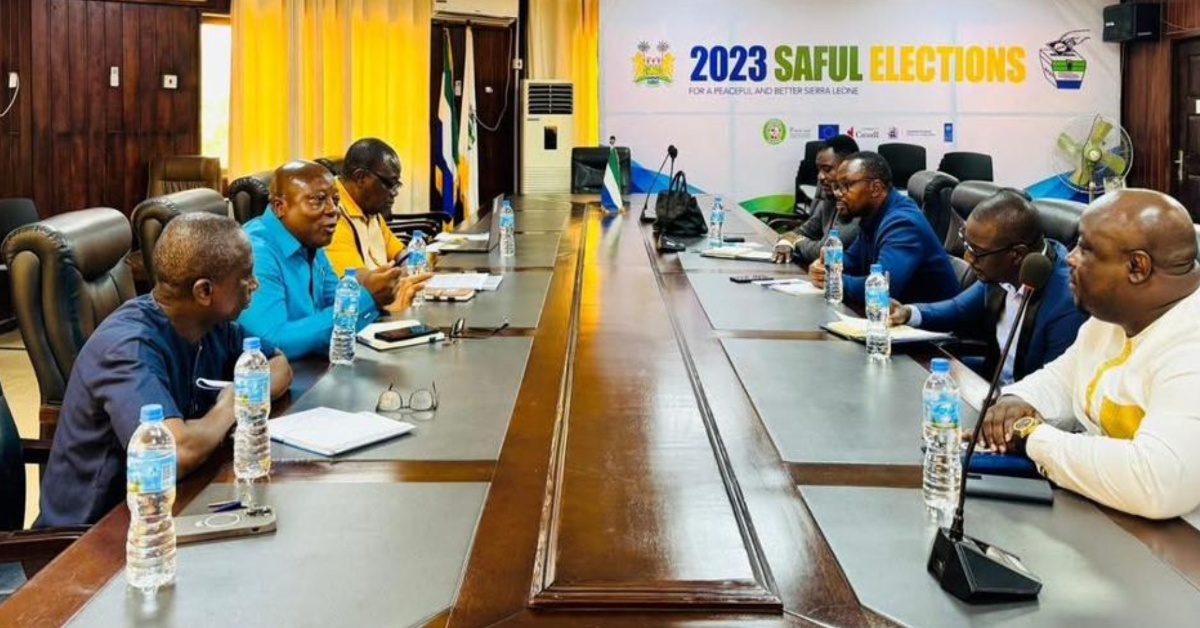
The Public Sector Reform Unit has commenced a structured monitoring exercise to assess progress in the implementation of recommendations contained in the Tripartite Agreement, beginning with an engagement at the headquarters of the Electoral Commission for Sierra Leone (ECSL) in Freetown.
The exercise, which forms part of broader efforts to strengthen governance and institutional performance, is aimed at tracking how agreed reforms are being operationalized within key state institutions, particularly those central to electoral management.
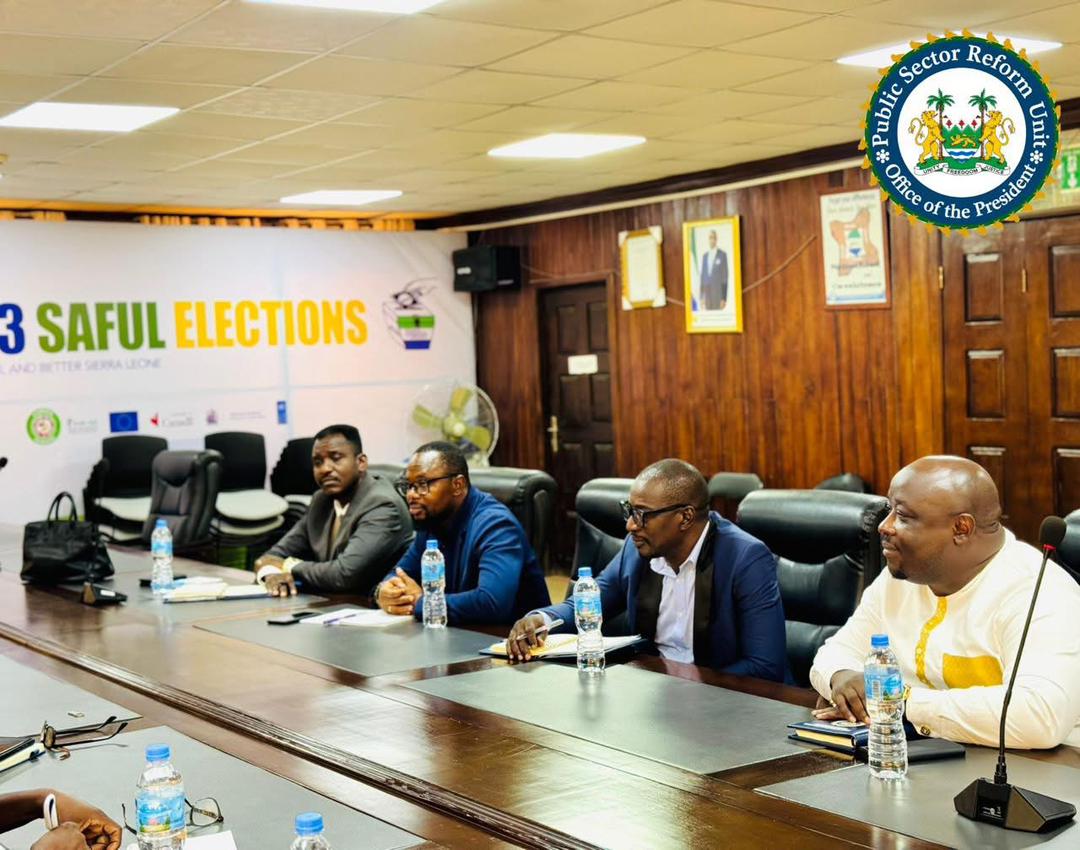

During the initial engagement held on Wednesday, 18 March 2026 at ECSL’s Tower Hill office, the Chief Electoral Commissioner, Chairman and National Returning Officer of ECSL, Edmund Sylvester Alpha, welcomed the monitoring team and described the visit as an important step in ensuring alignment with reform objectives.
He noted that the engagement marked an initial phase of collaboration focused on reviewing the implementation of recommendations arising from the Independent Management and Functional Review (IMFR), which forms a key component of the Tripartite Agreement framework.
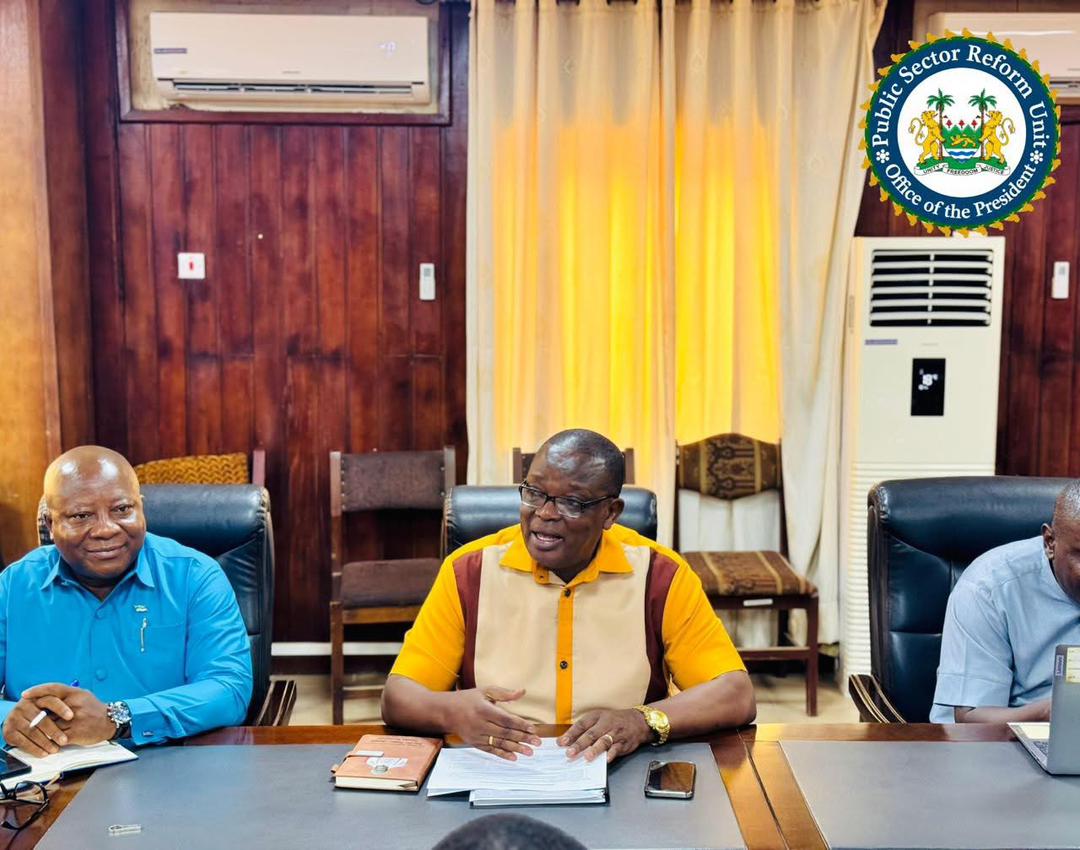
Mr. Alpha highlighted that among the key recommendations under consideration is the restructuring of ECSL’s organizational framework. This includes the development of detailed job descriptions for senior roles, revised staffing arrangements, and improved operational structures designed to enhance efficiency.
He further indicated that the Commission is also developing internal proposals to complement the reform process, with the aim of creating a hybrid structure that reflects both institutional realities and future operational needs.
ECSL leadership reaffirmed its commitment to implementing the full range of recommendations, including staff remuneration reforms, workforce rationalization, and the development of a comprehensive scheme of service to guide career progression within the institution.
On the part of the monitoring team, the Chief of Programmes at PSRU, Albert Williams, underscored the technical nature of several reform components, noting that areas such as the scheme of service require careful planning to define competencies, roles, and advancement pathways for staff.

He emphasized the importance of collaboration between PSRU and ECSL to ensure that all outputs are practical, sustainable, and aligned with public sector standards. He also stressed the need for objectivity throughout the process to guarantee credible and long-lasting reforms.
The PSRU team explained that the monitoring exercise will focus on tracking implementation progress, identifying operational challenges, and providing technical guidance where necessary to support effective execution of the agreed recommendations.
The initiative is also expected to strengthen accountability and transparency within the reform process, while ensuring that institutional changes at ECSL contribute to improved electoral governance in Sierra Leone.