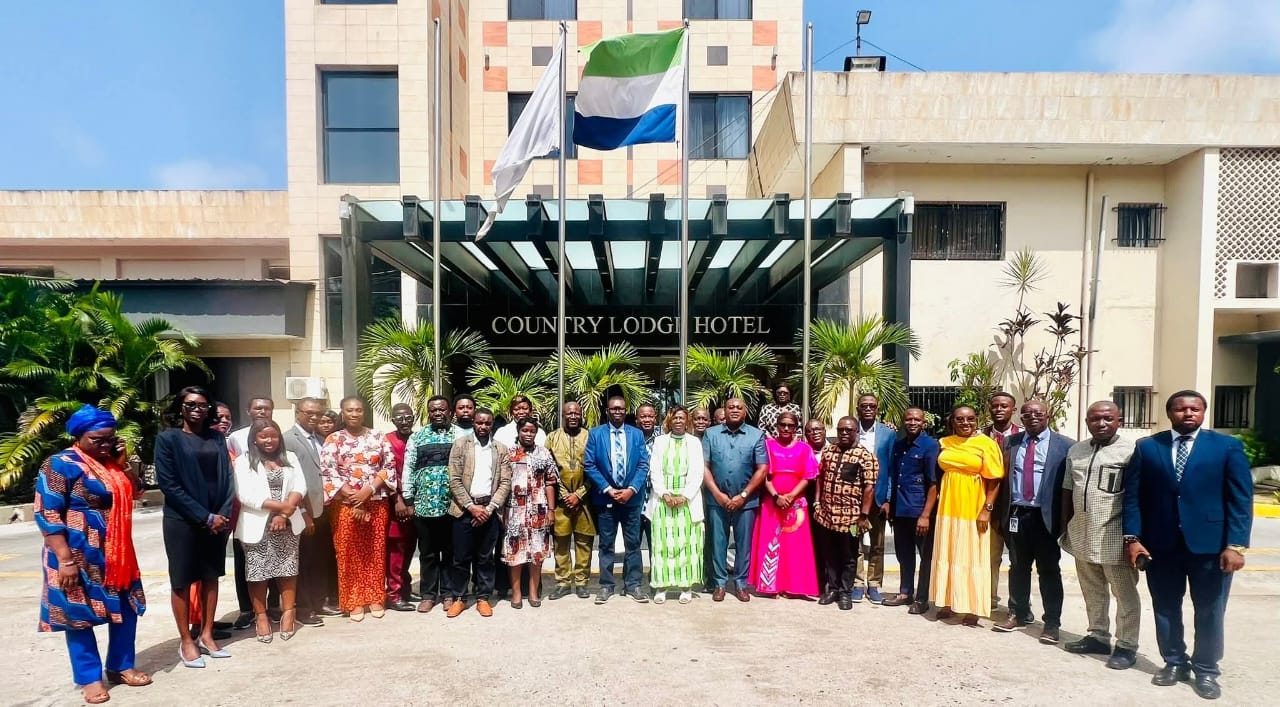
MoPED Launches Technical Investment Committee to Strengthen Public Investment Governance
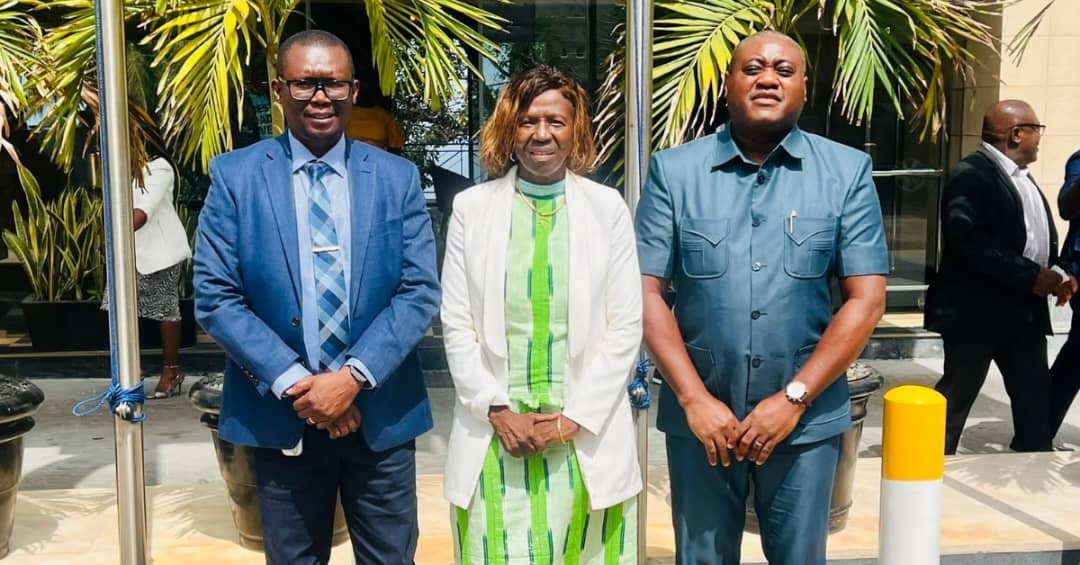
 Sia Lucy Kannah
 The Minister of Planning and Economic Development, Kenyeh Barlay, has officially launched the Technical Investment Committee (TIC), marking a significant step toward strengthening Sierra Leone’s Public Investment Management (PIM) governance architecture and advancing reforms aimed at improving the efficiency, transparency, and sustainability of public investments.
The inaugural meeting brought together senior government officials, technical experts, development partners, and representatives from various Ministries, Departments, and Agencies (MDAs) to deliberate on key reforms and strategic priorities within the country’s Public Investment Programme (PIP).
In his opening remarks, the Director of Public Investment Management at the Ministry of Planning and Economic Development (MoPED) described the establishment of the Committee as a major milestone under the Revised Climate and Gender Responsive National Public Investment Management Policy of 2024. He explained that the Technical Investment Committee has been mandated to review and appraise projects and programmes for selection and budgeting, while also streamlining the existing Public Investment Programme portfolio to ensure greater efficiency and accountability in public spending.

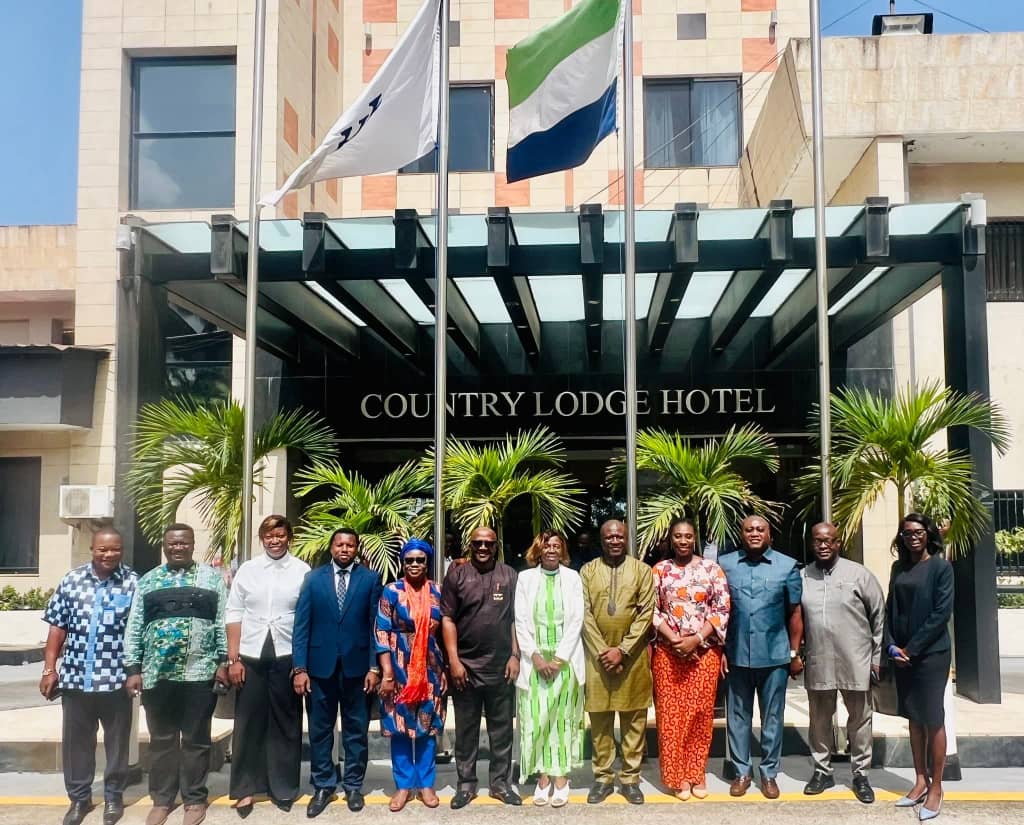



He further emphasized that the Committee’s work would be central to the implementation of ongoing Public Investment Management reforms, particularly the rationalization of the Public Investment Programme and the rollout of the Public Investment Management Information System (PIMIS).
The Director also outlined several persistent challenges affecting public investment management in Sierra Leone, including limited financing, weak institutional coordination, procurement bottlenecks, poor project design, implementation delays, ineffective monitoring systems, climate vulnerabilities, and gaps in gender inclusion.
The meeting was co-chaired by the Development Secretary at MoPED, Ambrose James, and the Financial Secretary at the Ministry of Finance, Matthew Dingie. Both officials described the Technical Investment Committee as the “engine room” of Sierra Leone’s public investment governance structure.
Delivering the keynote address, Minister Kenyeh Barlay reaffirmed the Government’s commitment to transforming Sierra Leone’s Public Investment Management System through institutional reforms, strengthened accountability mechanisms, and strategic investment planning.
She acknowledged the country’s constrained fiscal environment, debt distress, and limited domestic revenue mobilization, noting that weaknesses in project appraisal, procurement processes, and institutional capacity have contributed to costly project delays, budget overruns, and reduced credibility within the Public Investment Programme.
The Minister stressed that the government could no longer continue with “business as usual,” emphasizing the need to reset the Public Investment Programme framework in order to restore sustainability, improve project credibility, and align investments with the Government’s flagship priorities and the Big Five Game Changers Agenda.
Minister Barlay further disclosed that the Government has been collaborating closely with the World Bank on a Capital Expenditure Analysis (CaPEX), the findings of which are expected to support ongoing Public Investment Management reforms and guide the rationalization of the Public Investment Programme portfolio.
She also highlighted the Government’s partnership with the World Bank on the development of the Public Investment Management Information System (PIMIS), as well as collaboration with IMF AFRITAC West 2 on capacity-building initiatives aimed at strengthening technical expertise across government institutions.
The Minister concluded by officially declaring the commencement of the inaugural Technical Investment Committee meeting and called on members to champion evidence-based decision-making capable of delivering long-term and sustainable benefits for the people of Sierra Leone.
Discussions during the meeting focused on the role of the Public Investment Programme within the macro-fiscal framework, implementation of the Climate and Gender Responsive National Public Investment Management Policy, alignment between national planning and public investment management systems, project classification and selection guidelines, rationalization of the Public Investment Programme portfolio, findings from the Capital Expenditure Analysis, and updates on key Public Investment Management reforms, including the development of PIMIS.