
What Does APC Want Before 2028?
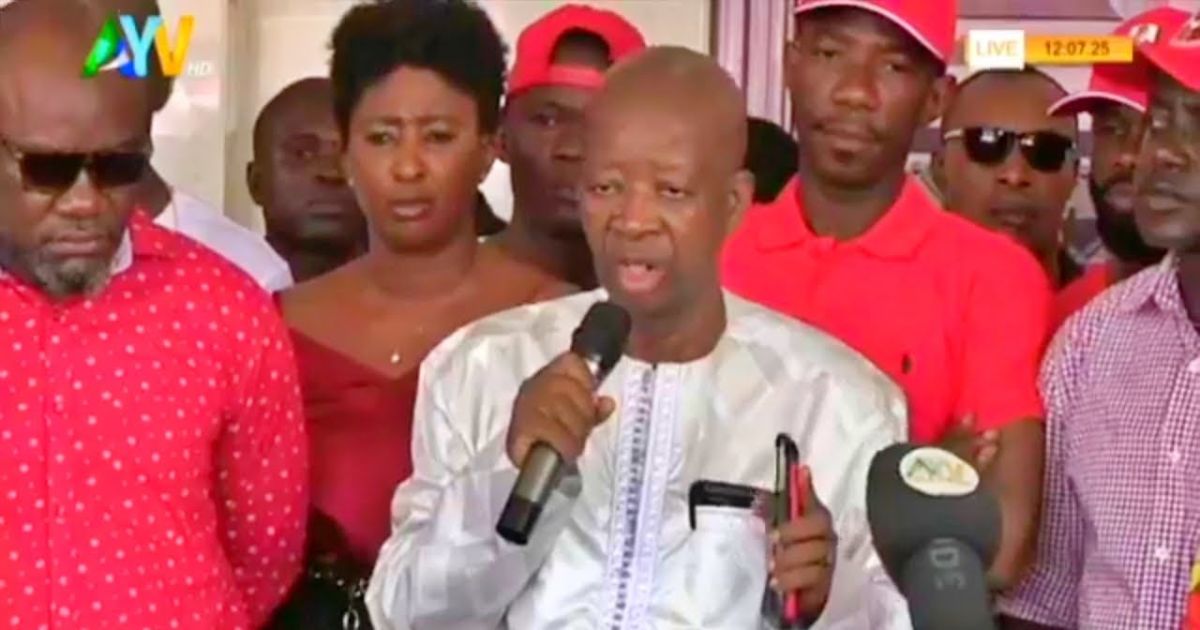
For the second time since the disputed 2023 elections, the All Peoples Congress (APC) has withdrawn from key governance processes, escalating a political standoff that could shape Sierra Leone’s 2028 polls.
The opposition’s latest move follows months of frustration over what it describes as the government’s failure to implement electoral reforms agreed under the post-election Agreement for National Unity. That deal had briefly restored cooperation after the APC’s initial boycott, which was triggered by concerns over the conduct of the elections, including the refusal of the Electoral Commission for Sierra Leone to publish disaggregated results.
But, the APC now says the reform process has stalled. According to the party, repeated attempts to engage the government have gone unanswered, including requests for dialogue with President Julius Maada Bio. It argues that key commitments from the tripartite reform process have been delayed, ignored, or implemented without consultation.

At the heart of the dispute are disagreements over how future elections should be conducted. The APC maintains that Sierra Leone should retain the first-past-the-post system, while the government has proposed proportional representation, an issue the party says should have been decided through broader public consensus.


The opposition has also raised specific concerns about electoral oversight and transparency. It points to the absence of detailed election data, delays around census timelines that could affect voter registration, and proposed constitutional amendments, including changes to the presidential victory threshold, that it believes could alter the fairness of future elections.
In addition, the APC has objected to recent developments within the ECSL, particularly the appointment of a new Chief Electoral Commissioner, which it says runs contrary to earlier reform recommendations calling for a more independent selection process.
As a result, the party is demanding the full and transparent implementation of all agreed reforms, the restructuring of oversight mechanisms to ensure balanced representation, and a review of key electoral appointments. It has also warned that it will not return its elected officials to parliament and local councils unless these concerns are addressed.
Consequently, the APC has threatened further action, including nationwide peaceful protests, if the current impasse continues. The party insists it will not participate in what it alleges is a process that risks undermining the will of voters.
The government has not publicly responded in detail to the latest claims, but it has previously maintained its commitment to electoral and constitutional reforms ahead of 2028.